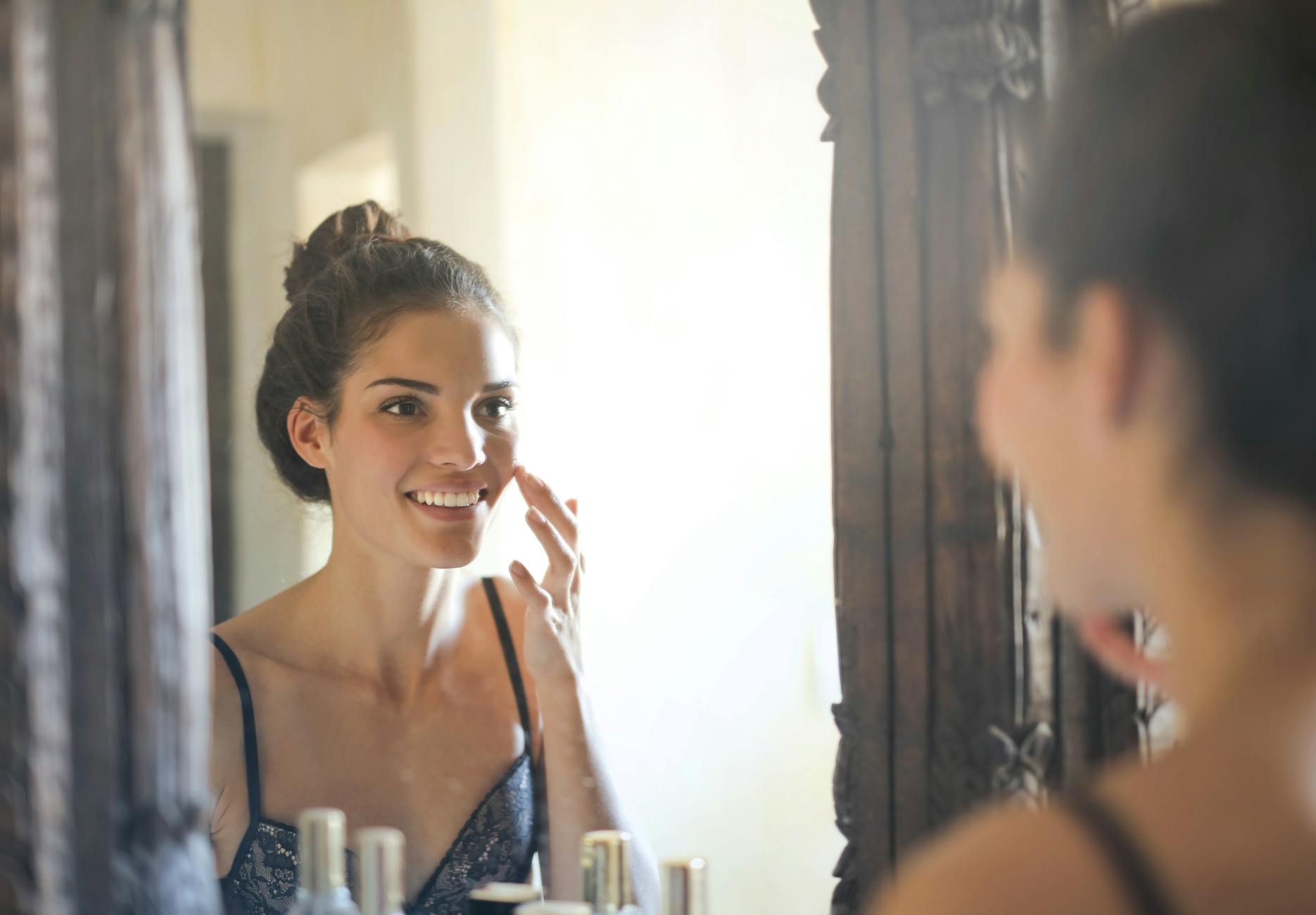
Personal Color Matching for Colored Contacts: How to Find Your Perfect Lens Shade by Undertone
To find your best colored contact lens shade, identify your skin undertone first. Warm undertones suit amber, hazel, and honey-brown lenses. Cool undertones look best with gray, violet, and blue-green shades. Neutral undertones can wear almost any color. Your natural eye color also affects how pigmented a lens needs to be for full coverage.
What Is Personal Color Matching and Why It Matters for Colored Contacts
Personal color matching is a structured method. It identifies which colors harmonize with your natural pigmentation, including skin, hair, and eyes. People are classified into warm, cool, or neutral undertone groups. These divide further into four seasonal categories: Spring, Summer, Autumn, and Winter. Choosing a lens outside your undertone family creates a mismatch. It registers immediately. The viewer may not name why. The same steel-gray lens looks editorial on a cool-toned Winter type and simply flat on an Autumn type with golden undertones. K-beauty brands pioneered personal color analysis, known in Korean as 퍼스널컬러, as a mainstream cosmetic tool, and those same principles translate directly to colored contact lens selection. The North American soft colored contact lens market is projected to grow at a 10.3% (linkedin.com) CAGR from 2026 to 2033. This reflects how seriously beauty consumers take lens selection. Lenses are now part of overall aesthetic choices. Understanding your undertone takes fewer than five minutes. It narrows your choices from dozens of options to a focused shortlist.
The Four Seasonal Undertone Categories Explained
Spring types have warm, bright coloring: golden or peachy skin, bright eyes, and naturally light or golden hair. They suit vibrant warm lens shades like honey and amber. Summer types carry cool, muted coloring: rosy or beige skin with soft contrast, matching muted lavenders and dusty blues. Autumn types have warm, deep, earthy coloring with rich complexions that support saturated ambers and olive greens. Winter types display high contrast, cool coloring with stark features that carry vivid blues, icy grays, and deep violets effortlessly. Identifying which season you belong to is the single fastest shortcut to knowing which lens colors will flatter you.
How to Identify Your Undertone at Home
Three quick tests confirm your undertone without professional help. First, examine the veins on your inner wrist in natural light. Blue or purple veins indicate a cool undertone. Green veins indicate a warm undertone. Second, hold a gold and a silver piece of jewelry against your face. Gold flatters warm undertones and silver flatters cool ones. Third, place a white sheet of paper next to your bare face. If your skin reads yellowish against the white, you are warm-toned. If it reads pinkish or grayish, you are cool-toned. Hair and eye color provide supporting clues but are not definitive on their own. Most people land clearly in one camp within minutes.
Best Colored Contact Lens Shades for Warm Undertones
Warm undertones, covering both Spring and Autumn seasonal types, are enhanced by lens colors drawn from the yellow, orange, and brown spectrum. Honey brown, caramel, warm amber, golden hazel, and soft olive green all work because they share the same underlying warmth as the skin. Wearing a cool-toned gray or icy blue lens against a warm complexion creates a visual disconnect. The eye area looks ashy. The lens floats rather than blends. For lighter warm skin tones, a golden hazel or chestnut brown creates a natural sun-kissed effect, as if the color evolved from within. For deeper warm skin tones, rich amber or warm forest green produces a striking contrast that still reads as completely believable. Our curated warm-tone collection is specifically built around these principles. Customers with golden and olive complexions never sort through shades designed for a different undertone family. We've observed that the most satisfied customers are those who match their lens choice to their undertone first, then layer in opacity and occasion considerations.
Spring Type Lens Recommendations
Spring types do best with golden hazel, warm amber, soft green with yellow undertones, and light honey brown. These shades mirror the natural brightness and warmth of a Spring complexion rather than fighting it. Spring types should also look for lenses with a soft, natural limbal ring rather than a harsh black edge. A heavy black limbal ring adds contrast that a warm, bright complexion does not need. The sweet spot is a lens that looks like an unusually beautiful version of a natural eye, not an obvious cosmetic addition.
Autumn Type Lens Recommendations
Autumn types can carry deeper, more saturated warm shades that would overwhelm lighter complexions. Rich amber with orange flecks, deep warm hazel, and dark olive or forest green all suit the earthy intensity of Autumn coloring. A forest green lens on a deep warm-toned complexion is unexpected but consistently natural-looking, because both the skin and the lens pull from the same earthy, muted warm palette. Autumn types should avoid icy blue, pure gray, and bright violet shades. Those colors sit in a completely different tonal family and will clash visibly.
Best Colored Contact Lens Shades for Cool Undertones
Cool undertones, spanning Summer and Winter types, are complemented by lens colors with blue, gray, or violet bases. Cool-toned wearers can confidently pull off shades that look unnatural on warm undertones: icy blue, steel gray, soft violet, and rose-tinted browns all work because they share the same underlying coolness as the complexion. Summer types look best in muted, dusty versions of these cool shades rather than high-saturation colors. Winter types have the high contrast and vivid coloring to carry bold, saturated lenses that would overwhelm softer complexions. Rose-tinted brown lenses are worth highlighting specifically: they replace the warm orange undertone of a classic brown lens with a cooler pink-brown that harmonizes with cool skin rather than clashing with it. This is a common mistake buyers make when assuming any brown lens is universally flattering.
Summer Type Lens Recommendations
Summer types look best in dusty blue, soft lavender, cool gray with a hint of blue, light rose-brown, muted teal, and sage green. The key word for Summer lens selection is soft. High-saturation lenses in any color create too much contrast for a Summer complexion. Lenses with a soft or absent limbal ring produce the most natural effect, since Summer coloring is characterized by gentle transitions rather than hard edges. A muted sage green lens on a Summer complexion reads as a sophisticated, slightly unexpected choice rather than a costume.
Winter Type Lens Recommendations
Winter types have the widest range of bold lens options that still look intentional rather than costume-like. Icy gray, deep violet, bright sapphire blue, and cool jet-black enlarging lenses all suit the high-contrast drama of Winter coloring. Vivid works here. High-contrast black limbal ring lenses are especially striking on Winter complexions because they reinforce the natural intensity already present in the face. Winter types who want a more understated everyday look can pull back to a clean steel gray or a deep cool blue and still command attention.
How Your Natural Eye Color Affects Lens Pigmentation Needs
Undertone match is only half the equation. The other half is lens opacity. Dark brown or black irises require highly pigmented, opaque lenses to display any chosen color at all. Without sufficient opacity, the natural dark iris bleeds through. This turns what should be a clear gray lens into a muddy greenish or brownish blur. This is the single most common disappointment reported by dark-eyed buyers who purchase budget lenses designed primarily for lighter irises. Light brown and hazel eyes can be transformed with either opaque or semi-transparent enhancer lenses depending on how dramatic the desired change is. Light blue, gray, or green eyes need very little pigmentation because the natural base color adds depth rather than competing with the lens color. Quality lenses engineered for dark eyes use layered pigmentation technology to block the natural iris color fully while maintaining a realistic iris pattern. Checking a lens's opacity rating before purchasing is non-negotiable for anyone with medium to dark brown eyes.
Iris pattern, pupil size, and lighting conditions also affect how a lens reads in real life. A lens looks vibrant in warm indoor light. It may appear more muted in cool natural daylight. Pupils dilate in low light and contract in bright light, which affects how much of the colored portion of the lens is visible at any given moment. True personalization, especially for prescription wearers, benefits from an eye care professional fitting to confirm that lens diameter and base curve suit the individual eye anatomy (fda.gov). Even purely cosmetic lenses require a valid prescription in the United States under FDA regulations.
Opaque vs. Enhancer Lenses: Choosing the Right Type
Opaque lenses fully cover the natural iris and are required for anyone with dark brown or black eyes who wants a visible color change. Enhancer lenses are semi-transparent and blend with the existing natural eye color, making them ideal for hazel or light brown eyes seeking subtle enhancement rather than a complete transformation. Color-tinted lenses carry a very light tint with almost no effect on dark eyes. They are designed strictly for light-eyed wearers seeking minimal enhancement. Checking the opacity rating before purchasing eliminates the most common source of buyer disappointment.
How Tint, Density, and Lens Design Affect the Final Look
Personal color matching for contacts goes beyond choosing a color name. Tint, pigment density, lens diameter, and limbal ring design all interact to create the final effect on the eye. Tint refers to the hue of the lens, but density refers to how saturated and opaque that tint is. A low-density amber lens on a dark eye produces almost no visible amber, while a high-density amber lens delivers the full warm tone. Lens diameter also matters significantly. Larger diameter lenses create a wide-eyed, dolly effect popular in K-beauty aesthetics, while standard diameter lenses produce a natural result closer to what an unenhanced eye looks like. The limbal ring, the dark outer edge of the iris, adds definition and depth. A bold black limbal ring enhances contrast on Winter complexions. A soft, thin limbal ring suits Summer and Spring types who want a natural finish. These design details are what separate a lens that photographs beautifully from one that looks like an obvious insert.
Some premium lens manufacturers use hand-painted iris patterns to achieve seamless blending between the lens color and the natural iris edge. Brands like Solotica, based in Brazil, built their reputation on precisely this technique, producing lenses with intricate, almost photographic iris detail that blends convincingly even on dark eyes. Desio and FreshLook offer broader accessible palettes, while Air Optix Colors by Alcon provides FDA-approved options with consistent quality across a standard color range. FreshLook and Air Optix work well for first-time wearers who want reliable results in mainstream shades (alcon.com). For buyers seeking the deepest personalization, boutique brands and eye care professional consultations deliver more precise undertone-matched results.
Comparing Popular Colored Contact Lens Shades by Undertone and Occasion
Different settings call for different levels of visual impact. A lens that looks perfect for content creation may be too bold for a Tuesday at the office. Building a rotation of two to four shades covering both natural and statement looks is the most efficient approach. Consider a warm hazel for daily wear and a rich amber or deep olive for evenings if you are an Autumn type. A Winter type might keep a steel gray for professional settings and a sapphire blue for events. Matching lens color to outfit color family, not just skin tone, is an advanced technique used by content creators to create fully cohesive visuals. Cool-toned outfits in slate, navy, or mauve pair naturally with gray or violet lenses. Warm outfits in terracotta, rust, or camel look cohesive with amber or hazel.
| Undertone Type | Best Lens Shades | Shades to Avoid | Best for Dark Eyes? | Best Occasion |
|---|---|---|---|---|
| Spring (Warm-Bright) | Golden hazel, warm amber, soft honey brown | Steel gray, deep violet, navy blue | Yes, with opaque pigmentation | Everyday wear, casual outings |
| Autumn (Warm-Muted) | Rich amber, olive green, warm brown, deep hazel | Icy blue, pure gray, bright violet | Yes, with high-opacity lenses | Editorial shoots, evening events |
| Summer (Cool-Muted) | Dusty blue, soft lavender, cool rose-brown, sage green | Golden hazel, warm amber, orange-brown | Yes, with opaque cool-toned lenses | Everyday wear, professional settings |
| Winter (Cool-Bright) | Icy gray, sapphire blue, deep violet, jet black enlarging | Warm brown, caramel, olive green | Yes, bold shades especially effective | Content creation, night out, events |
| Neutral Undertone | Medium brown, teal, or soft gray work across the board | Very saturated warm or cool extremes may still clash | Yes, with opaque lenses for dark eyes | All occasions, high flexibility |
Colored Contact Lens Shades by Undertone, Eye Color, and Occasion
Everyday Wear vs. Content Creation Lens Selection
Everyday lenses prioritize breathability, comfort for 8 to 12 hours of wear, and a natural appearance that does not read as cosmetically obvious in person. Content creation lenses prioritize visual impact on camera, including high pigment contrast, vivid color saturation, and defined limbal rings that read clearly on video. On camera, muted real-life colors often appear more natural than expected, while bold shades photograph dramatically and hold attention in thumbnails and reels. The practical approach is to own at least one natural-tone lens in your undertone family for daily life and at least one statement lens for shoots and events. Hapa Kristin's curated range is organized by both occasion and undertone, so the selection process starts from style intent rather than from an overwhelming grid of color swatches. In our experience, organizing by occasion and undertone reduces decision fatigue and leads customers directly to shades that will work for their lifestyle and skin tone.
Buying Colored Contacts Safely in the United States
In the United States, all contact lenses, including purely cosmetic ones, are classified as medical devices by the FDA and require a valid prescription (fda.gov). This applies even if you have perfect vision and are purchasing only for cosmetic purposes. Buying from overseas sites or unlicensed retailers bypasses this requirement and introduces serious risks, including eye infections, corneal abrasions, and vision damage from lenses that do not meet US safety standards. Always purchase from a licensed retailer that requires a valid contact lens prescription. Lenses should be replaced on the schedule specified by the manufacturer, whether that is daily, bi-weekly, or monthly. Never sleep in lenses not explicitly approved for extended wear. Eye health is the non-negotiable foundation under every style choice.
Published: May 2, 2026 | Last Updated: May 2, 2026
Frequently Asked Questions
Can I wear gray colored contacts if I have warm undertones?
What colored contacts look most natural on dark brown eyes?
How do I know if I need opaque or enhancer colored contacts?
Is personal color matching for contacts the same as seasonal color analysis for clothing?
What is the safest way to buy colored contacts in the US?
Can colored contacts look natural for everyday wear or only for special occasions?
Do colored contacts look different on dark skin vs. light skin tones?
How often should I replace cosmetic colored contact lenses?
What factors determine the best color match for contact lenses?
Are there specific brands known for accurate personal color matching?
How do tint and density affect the overall appearance of colored contact lenses?
Can personalized color matching be done online or is it only in-store?
What are the most popular colors for personalized contact lenses?
Sources & References
About the Author
Hapa Kristin Same-day Colored Contacts
Hapa Kristin offers same-day colored contacts designed for every skin tone and style. Their curated collection lets beauty-conscious women change their eye color as easily as their makeup.
Learn more at hapakristin.us →Related Posts

8 Best Colored Contacts for Warm Skin Tones (Ranked by a Beauty Brand)
Warm skin tones glow with honey, hazel, amber, and earthy green lenses — but the wrong color can wash you out instantly. This ranked list breaks down the eight best colored contact options for golden, olive, and bronze complexions, with same-day picks from Hapa Kristin so you can shop and wear today.
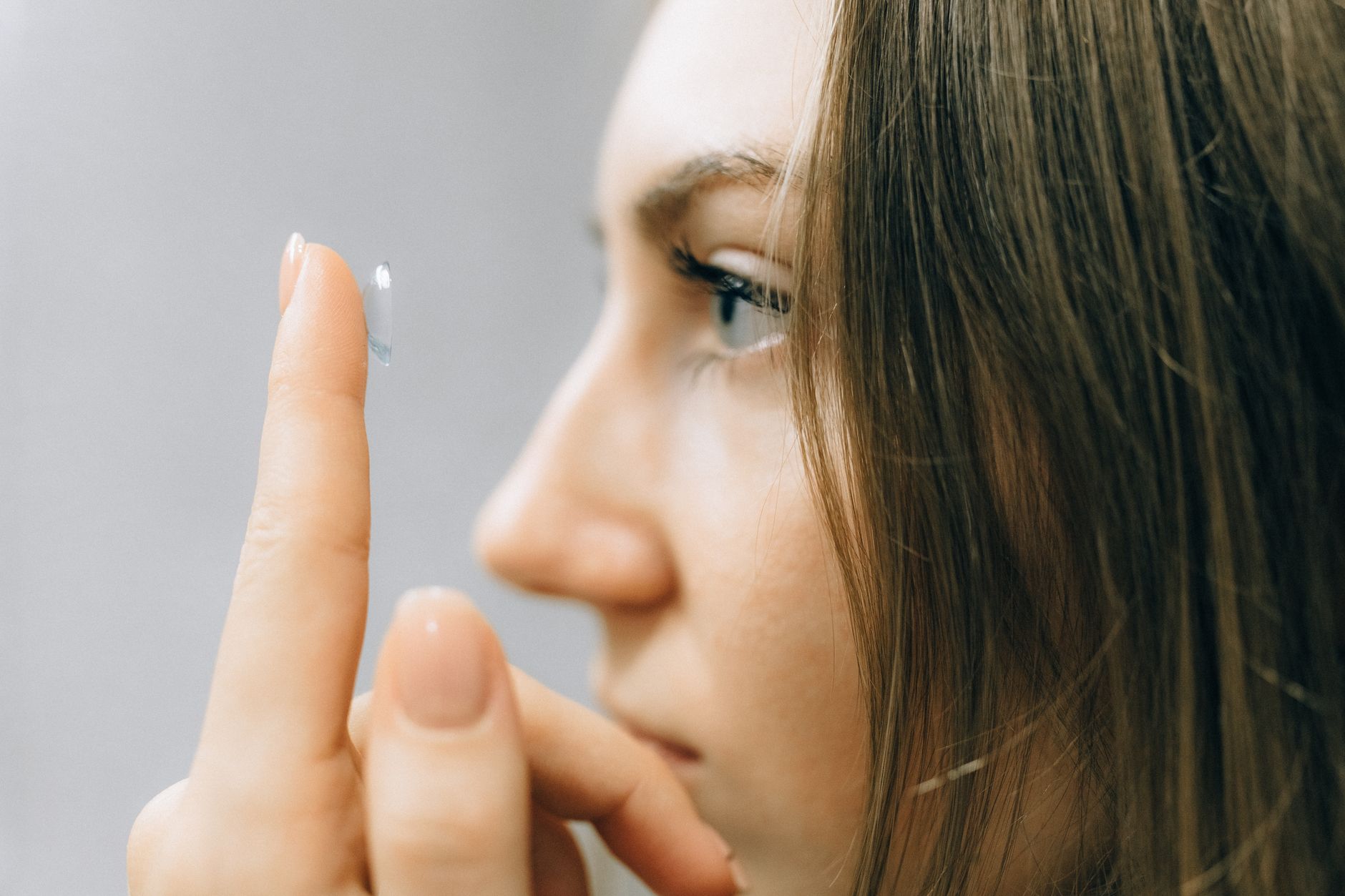
Everything You Need to Know About Colored Contact Safety, Comfort, and Care in 2026
Colored contacts can transform your entire look in seconds, but wearing them safely requires knowing the rules, the risks, and the right care routine. This guide covers everything from FDA regulations and prescription requirements to choosing a flattering color for your skin tone and keeping your lenses comfortable all day.
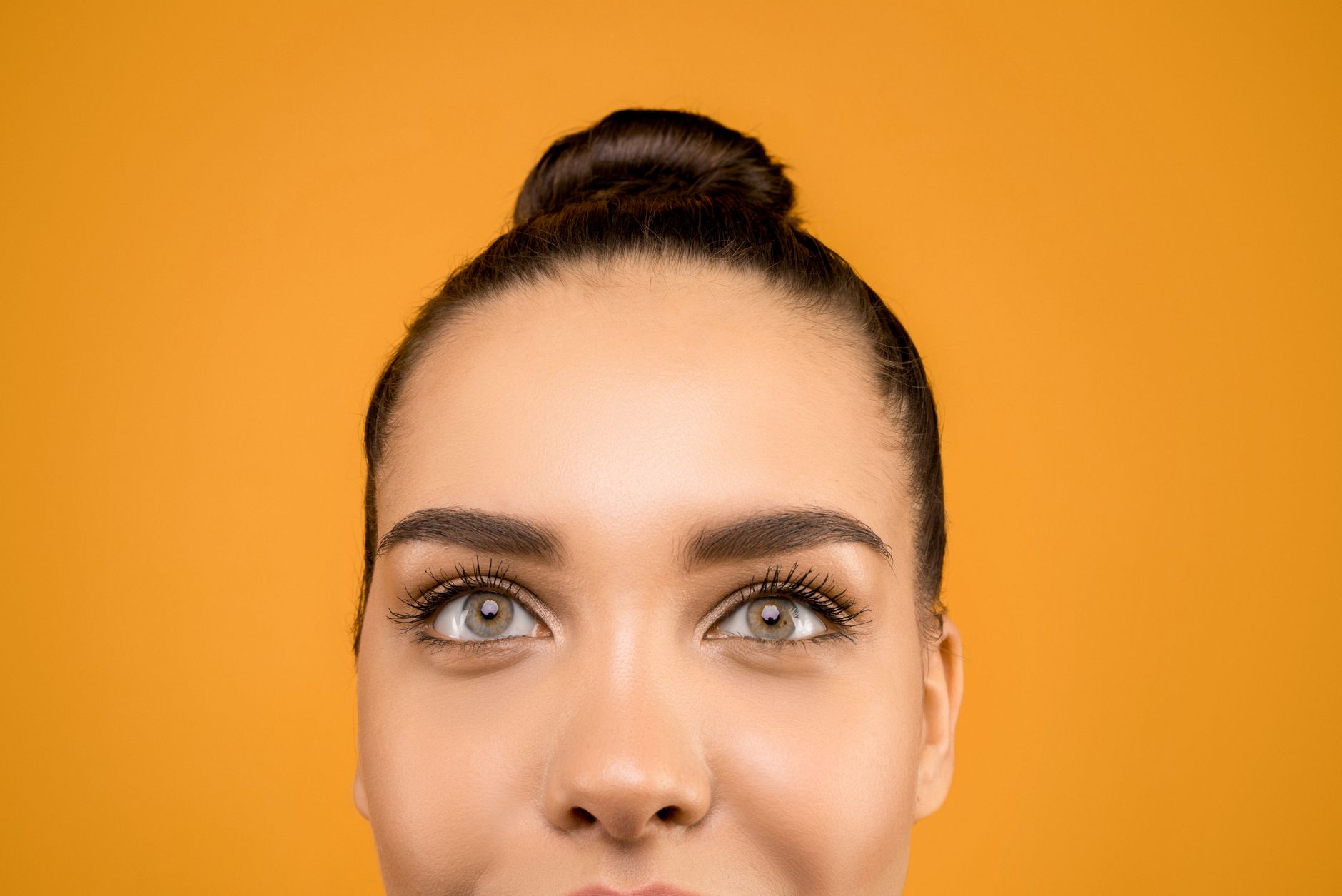
Colored Contact Shades for Brown Eyes: How to Find a Natural Match
Brown eyes are the most common eye color in the world, which makes finding colored contacts that actually transform them a real challenge. This guide breaks down 12 shades proven to show up beautifully over dark irises, matched by skin tone and aesthetic, so you never waste money on a color that disappears on your eyes.