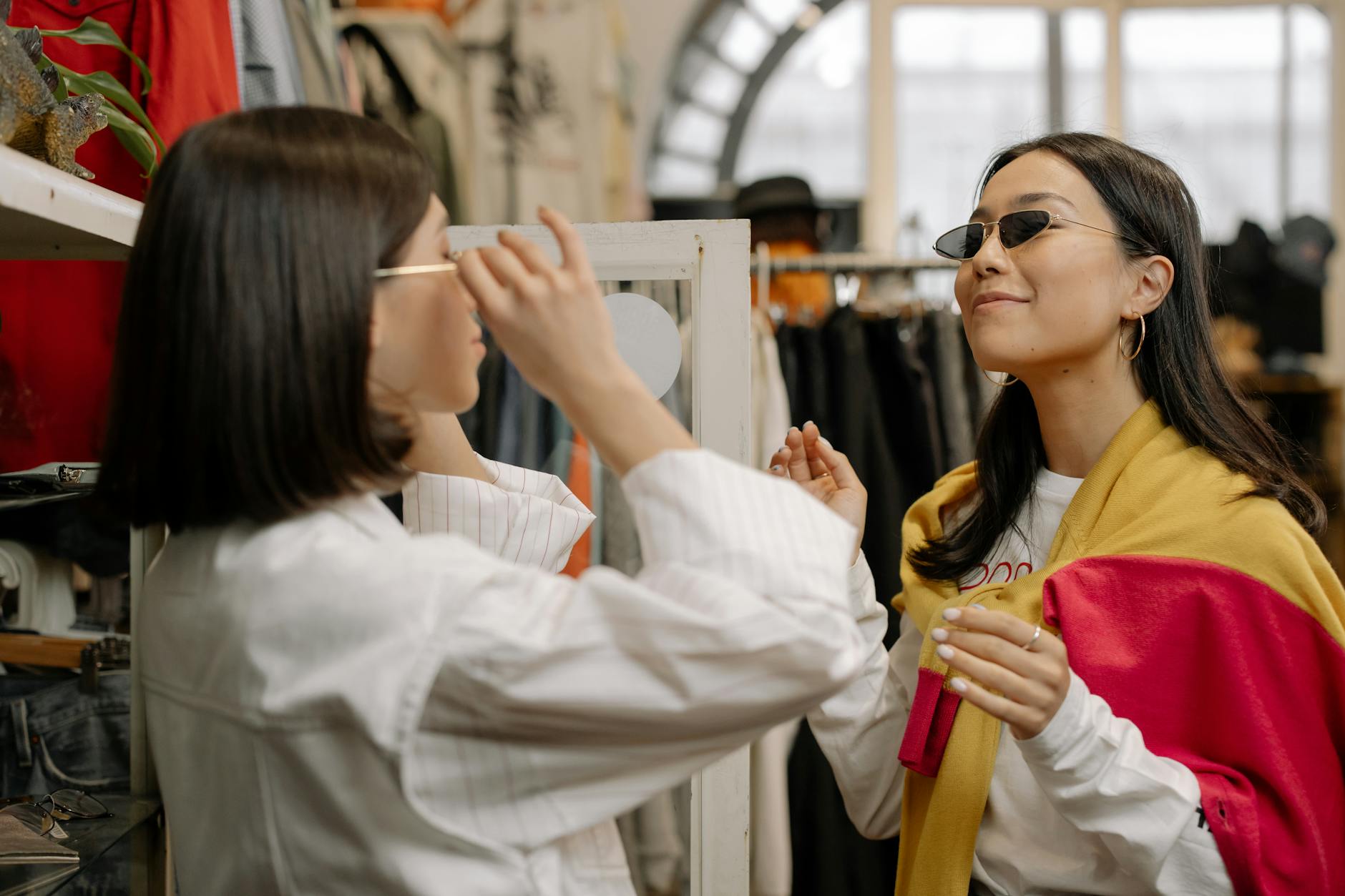
When you walk into a store for same-day colored contacts, expect to show a valid prescription, choose from available colors and graphic designs. The full visit typically takes 30 to 60 minutes, and you can leave wearing your new lenses that day.
Why You Need a Prescription Before You Buy Any Colored Contacts
In the United States, all contact lenses, including purely cosmetic, non-corrective colored contacts, are classified as medical devices by the FDA and legally require a valid prescription. This surprises a lot of first-time buyers. A valid colored contact lens prescription includes your brand name, base curve (BC), diameter (DIA), and sphere power (SPH), which reads as 0.00(plano) for non-corrective lenses. Contact lens prescription expiration periods vary by state and by doctor recommendation, but many prescriptions in the U.S. are valid for approximately one year. Basically, even existing wearers need a current one on file. Walking in without a prescription does not mean you leave empty-handed, some optical retailers and independent optometry practices may offer same-day or walk-in availability depending on scheduling. At the Hapa Kristin Melrose flagship store, all contact lens prescriptions are verified prior to dispensing. Eye exams and contact lens fittings are independently provided by SKEYE Optometry. That is not bureaucracy, it is how we protect your eyes. The global colored contact lenses market reached USD 5.5 billion in 2024 (https://www.cognitivemarketresearch.com/colored-contact-lenses-market-report), which means there are a lot of sellers out there, not all of them reputable.
What Your Contact Lens Prescription Actually Includes
Your contact lens prescription is not the same document as your glasses prescription. They measure different parameters entirely. Base curve (BC) determines how the lens sits on your cornea, get this wrong and the lens slides around or causes irritation. Diameter (DIA) affects how the colored iris ring is centered over your natural iris, which directly impacts how natural or dramatic the final look appears. Sphere power (SPH) is listed as 0.00 for non-corrective beauty lenses, but a licensed eye care professional still needs to confirm that value applies to your eyes. The expiration date matters too, most U.S. states set a 12-month validity period. Bring your glasses to the exam appointment if you have them. It speeds up the refraction process and gives the optometrist a useful starting point.
Getting a Same-Day Eye Exam If You Do Not Have a Current Prescription
Missing a current prescription does not kill your same-day plans. Retailers like Lenscrafters, Target Optical, Costco and Walmart Vision Center commonly offer walk-in or same-day contact lens exam appointments. Ask specifically for a contact lens exam, not a glasses exam, they involve different fitting steps. Bring any existing glasses for reference. Colored contact lenses are medical devices regulated by the U.S. Food and Drug Administration (FDA). A valid contact lens prescription from a licensed eye care professional is required, including for non-corrective cosmetic lenses.
How the In-Store Color Selection Process Actually Works
Physical retail stores carry a curated subset of a brand's full catalog. Not every color available online will be on the shelf the same day. Popular colors like hazel and brown enhancers are almost always in stock because they are the highest-volume sellers, if you want a natural everyday look, you will almost certainly find it waiting for you. More unusual shades like violet, sterling gray, or specialty patterns may need to be special-ordered, with custom orders generally taking 1-7 days to arrive. Plan ahead if you have a specific statement color in mind for an event. Store staff or brand consultants often apply color science principles to match lens shades to your skin tone, natural eye color, and undertones. Warm skin tones tend to look best in hazel, honey, amber, and warm gray lenses. For example, consider a content creator with medium olive skin planning a TikTok shoot in warm afternoon light. They would get the most camera-ready result from a warm hazel or amber lens, which complements golden-hour lighting and their natural undertones, rather than a cool silver-gray that might read as flat or washed out on camera. Cool skin tones are typically complemented by blue, violet, silver-gray, and green lenses. Dark natural eye colors require lenses with higher opacity pigmentation to show the intended color properly, this is a spec worth asking about directly.
Trying Colors In-Store: What the Experience Looks Like
Most stores have color swatches, display boards, or digital try-on tools. Not all let you physically try lenses before purchase. Some premium retailers and brand boutiques offer supervised trial lens fittings where a staff member helps you insert a sample pair, this can provide a more guided first-time experience. Lighting matters enormously. Ask to evaluate your selected color near the store entrance or under natural light, not just fluorescent retail lighting. Fluorescent lighting flattens colors and makes warm tones look muddy. Take photos during the consultation process. The camera captures how a lens color reads in real-world conditions better than a mirror does, and it gives you a preview of how the look will translate for content shoots or video.
First-Time Wearer Tips for Inserting and Removing Lenses In-Store
Wash your hands with soap and dry them with a lint-free towel before touching any lens. Place the lens on the tip of your index finger. Use your other hand to hold your upper eyelid open, and use the middle finger of your dominant hand to pull the lower lid down gently. Look slightly upward and place the lens on the lower white part of your eye, then release and blink. If the lens feels uncomfortable immediately, it may be inside-out, remove it, rinse with contact solution, and retry. Give yourself 10 to 15 minutes to practice in-store with staff present before heading out into the world. Do not rush this step. Confidence with insertion and removal makes the difference between a lens you wear regularly and one that sits in a drawer.
Price, What Is Included, and What to Watch Out For
Ask upfront. Premium brands like Hapa Kristin sit at a higher price point than commodity options, but offer better pigmentation, comfort materials, and verified safety documentation. Lenses from unverified international sellers may lack FDA clearance, carry counterfeit batch numbers, or use lower-grade materials. South Korea, Taiwan, and China account for over 90% (https://www.intelmarketresearch.com/beauty-contact-lens-market-34134) of global production, so origin alone is not a red flag, but lack of FDA clearance documentation is.
Red Flags That Tell You to Walk Out of a Store
Leave immediately if a store does not ask for your prescription before selling you lenses. That is a legal violation, not a convenience. Other red flags include inability to provide FDA clearance or brand origin documentation, lenses stored in non-sealed or damaged packaging, staff who cannot answer basic questions about base curve or water content, and suspiciously low prices with no brand name or lot number on the packaging. Improperly manufactured or counterfeit lenses may increase the risk of irritation, infection, or other eye complications. The savings are not worth it.
Building Your Lens Wardrobe: How Style-Conscious Shoppers Think About Colored Contacts
The most engaged colored contact wearers treat lenses as a beauty accessory category, not a one-time purchase. They rotate colors the way they rotate lipsticks or lash styles. A practical starter wardrobe typically includes three lenses: one natural everyday shade for daily wear, one statement color for events or content shoots, and one experimental shade for creative looks. This three-lens strategy gives you range without overwhelming your routine. Pairing lens color to makeup is a learnable skill. Warm-toned hazel or honey lenses work beautifully with bronzed, earth-tone looks. Blue or violet lenses pop against cool-toned, monochromatic makeup. Social media has accelerated this behavior, 22% of beauty product sales were shaped by social media commerce in 2024 (https://www.happi.com/breaking-news/tiktok-sparks-22-rise-in-beauty-product-sales-over-social-media-in-2024/), and eye looks are one of the highest-engagement content categories on TikTok and Instagram Reels. Lenses are increasingly the primary visual hook in beauty content, not just an afterthought. Keeping a lens journal or photo log of which colors you have tried against different outfits and lighting conditions helps you identify your personal best performers. Think of it like building a capsule wardrobe, intentional, versatile, and personal.
Matching Lens Colors to Your Skin Tone and Aesthetic
Skin tone matching is where in-store consultation genuinely earns its value. Fair to light skin with cool undertones looks striking in blue, lavender, silver-gray, and green lenses, these create high editorial contrast. Fair to light skin with warm undertones benefits from honey, light hazel, and green-brown lenses that add warmth without looking jarring. Medium skin with neutral or olive undertones pairs well with warm hazel, brown-gray, and amber lenses that add dimension. Deep to rich skin tones look most striking in high-opacity gray, blue, and green lenses, low-opacity shades simply will not register against dark irises. Ask an in-store consultant to hold sample color cards near your face in natural light before committing. This 10-second test eliminates most of the guesswork. A practical example: a content creator with medium olive skin planning a TikTok shoot in warm afternoon light would get the most camera-ready result from a warm hazel or amber lens (/personal-color-matching-colored-contacts) over a cool silver-gray, which can read as flat or washed out in golden-hour lighting.
Travel and Everyday Logistics: A Few Things Worth Knowing
Once you have your lenses, daily logistics matter. Travel-sized contact lens solution in 3.4oz bottles clears TSA carry-on requirements, so you can pack your lens case and solution without checking a bag. Monthly lenses need daily cleaning with a no-rub multipurpose solution, a clean lens case, and replacement of the case every 30 days. The U.S. optical industry reached $69.5 billion in 2025 (https://eyewire.news/news/us-optical-industry-grows-to-695-billion-in-2025-despite-fewer-purchases-and-eye-exams)), which means lens care products are widely available at pharmacies and grocery stores nationwide. Never rinse lenses in tap water. Use only sterile contact lens solution. And never sleep in your lenses, even monthly lenses are not approved for overnight wear without specific extended-wear clearance from your eye doctor.
Frequently Asked Questions
Can I buy colored contacts the same day without a prescription?
How long does a same-day colored contact lens visit typically take?
What should I bring with me when I go to buy colored contacts in person?
Are non-corrective colored contacts safe for everyday wear?
What is the difference between daily and monthly colored contacts?
How do I know which colored contact color will actually look good on my skin tone?
Can I wear colored contacts if I have never worn contact lenses before?
Why are some colored contacts so much cheaper online than in stores?
How do I take care of monthly colored contacts to make them last?
What happens if colored contacts feel uncomfortable immediately after I put them in?
What are the most popular brands for same-day colored contacts?
How do I know if I am getting the right shade of colored contacts?
Are there any specific brands that are known for comfort and hygiene?
What should I expect during a fitting for same-day colored contacts?
Can I try on different shades before committing to a purchase?
Sources & References
- Daily Disposable Contact Lenses - Insight Vision Las Vegas[industry]
- TikTok Sparks 22% Rise in Beauty Product Sales Over Social Media in 2024 - Happi[industry]
- Global Colored Contact Lenses Market Report - Cognitive Market Research[industry]
- Why a Yearly Contact Lens Eye Exam Is Important - Griffey 2020[industry]
- US Optical Industry Grows to $69.5 Billion in 2025 - Eyewire News[industry]
About the Author
Hapa Kristin Same-day Colored Contacts
Hapa Kristin offers same-day colored contacts designed for every skin tone and style. Their curated collection lets beauty-conscious women change their eye color as easily as their makeup.
Learn more at hapakristin.us →Related Posts
8 Best Colored Contacts for Warm Skin Tones (Ranked by a Beauty Brand)
Warm skin tones glow with honey, hazel, amber, and earthy green lenses — but the wrong color can wash you out instantly. This ranked list breaks down the eight best colored contact options for golden, olive, and bronze complexions, with same-day picks from Hapa Kristin so you can shop and wear today.
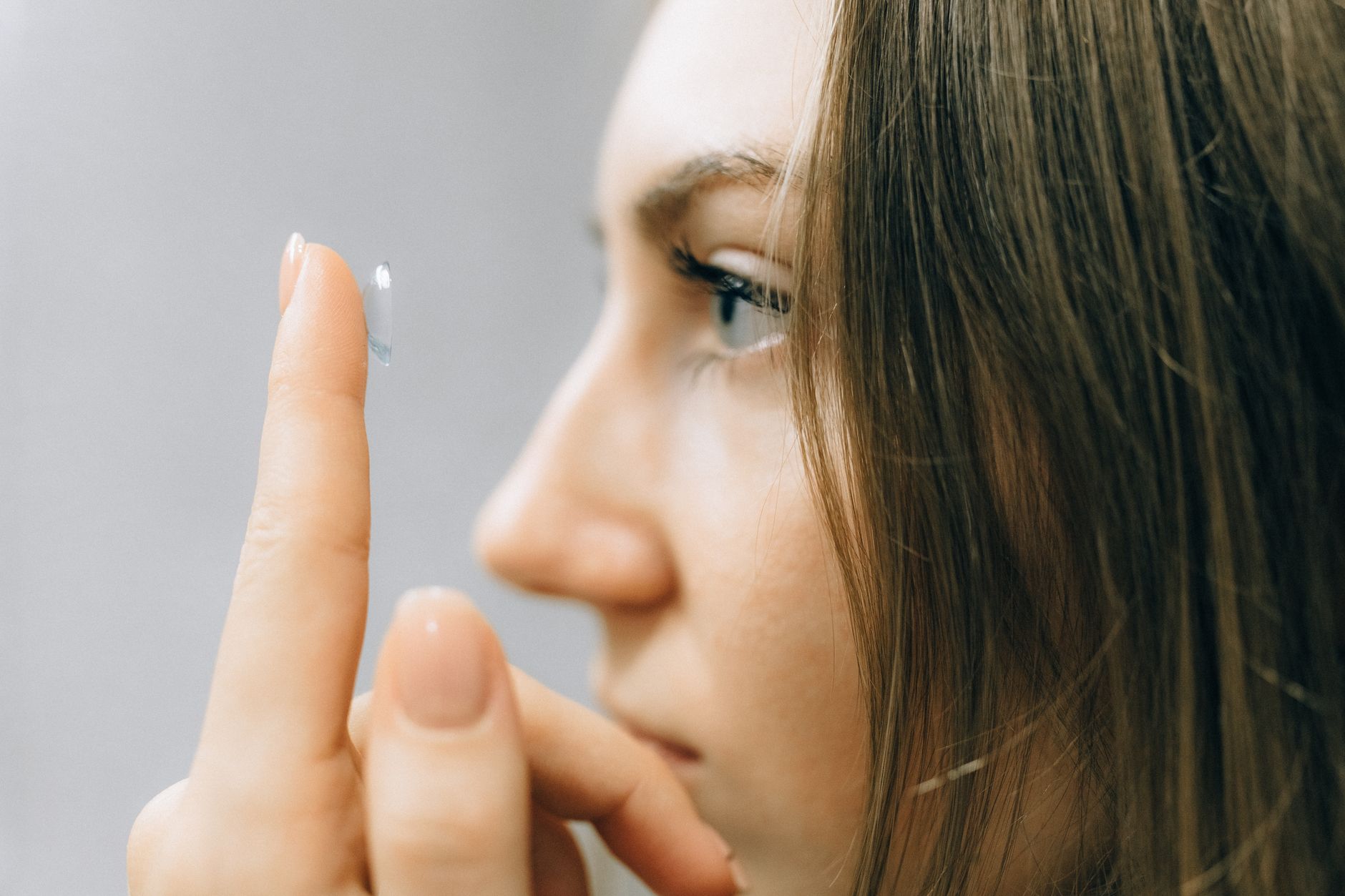
Everything You Need to Know About Colored Contact Safety, Comfort, and Care in 2026
Colored contacts can transform your entire look in seconds, but wearing them safely requires knowing the rules, the risks, and the right care routine. This guide covers everything from FDA regulations and prescription requirements to choosing a flattering color for your skin tone and keeping your lenses comfortable all day.
Colored Contact Shades for Brown Eyes: How to Find a Natural Match
Brown eyes are the most common eye color in the world, which makes finding colored contacts that actually transform them a real challenge. This guide breaks down 12 shades proven to show up beautifully over dark irises, matched by skin tone and aesthetic, so you never waste money on a color that disappears on your eyes.