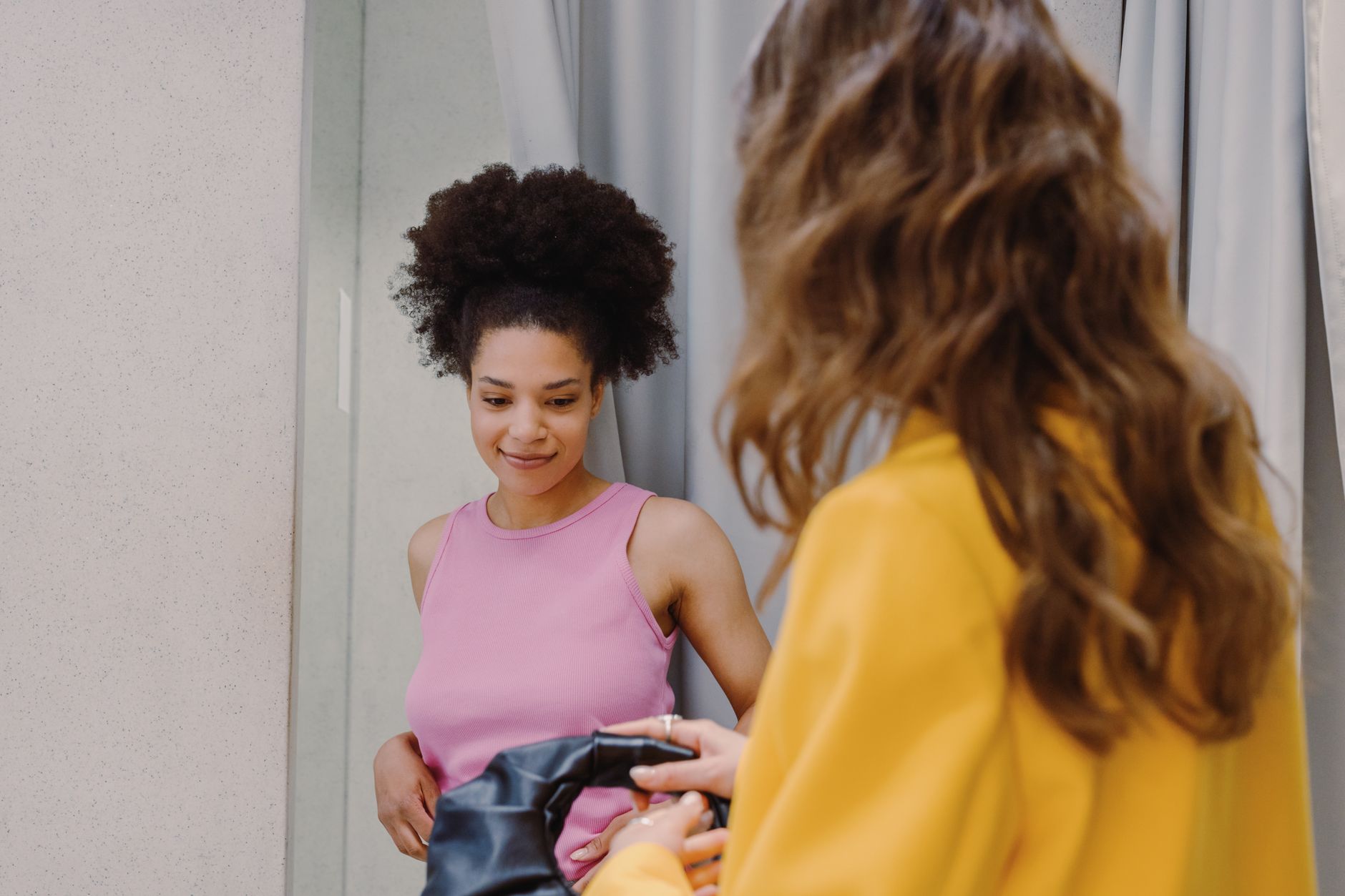
To get same-day colored contacts, visit an optical retailer. You can also try a licensed lens studio. Or visit an eye care provider that stocks cosmetic lenses in-store. You will need a valid prescription, even for non-corrective lenses. Bring your prescription, a photo ID, and your inspiration look. Many locations let you try before you buy and walk out wearing your new eye color the same day.
Why Do You Need a Prescription for Cosmetic Colored Contacts?
Decorative lenses are medical devices. Full stop. The FDA classifies every contact lens placed on the human eye as a medical device, regardless of whether it corrects vision or simply changes your eye color for a photoshoot. Buying colored contacts without a prescription is illegal in the United States, and that rule applies whether you are shopping at a brick-and-mortar beauty supply shop, a Halloween costume store, or an overseas website shipping to your door. The reason is not bureaucratic red tape. It is because the lens must physically fit the curvature of your specific eye. A poor fit can restrict oxygen to the cornea. It can cause micro-abrasions. It can create a pathway for bacterial infection. The FDA evaluated over 300 cosmetic contact lenses and found that 60% of counterfeit lenses and 27% of unapproved lenses carried microbial contamination that posed a direct threat to eye health (aao.org). That is not a small risk. Many consumers genuinely do not know a prescription is required for purely cosmetic lenses, which is exactly why shady sellers continue to thrive. Understanding the requirement upfront protects both your eyes and your wallet.
What a Contact Lens Prescription Actually Includes
A contact lens prescription is different from a glasses prescription. At Hapa Kristin Same-day Colored Contacts, we help customers understand that having the correct BC and DIA measurements ensures they receive a lens that fits safely and comfortably from day one. It contains your base curve (BC). This describes the curvature of your cornea. It also includes your diameter (DIA). This determines how wide the lens sits on your eye. It also includes your power, written as 0.00 plano if you have perfect vision and are wearing lenses purely for color. Prescriptions expire, typically after one year from your fitting exam. The brand listed on a prescription is not always mandatory. You can ask your eye doctor to write a brand-flexible fitting prescription, which allows you to match the specs to a cosmetic lens from a brand like Hapa Kristin. Knowing your BC and DIA numbers before you shop saves time at the counter. It ensures the same-day lens you pick up actually fits your eye safely.
How to Get a Prescription Fast Before You Shop
Getting a contact lens prescription does not require a lengthy appointment. Large chains like LensCrafters, MyEyeDr, and independent optometry offices regularly offer walk-in or same-day exam slots. If you are an existing contact lens wearer with a recent glasses prescription on file, telehealth services can sometimes issue a renewal faster. Bring your old prescription if you have one. It gives the optometrist a starting point and can shorten the fitting process considerably. Once you have your prescription in hand, the same-day colored contact shopping experience becomes straightforward and genuinely fun.
Where Can You Buy Colored Contacts In-Store the Same Day?
Optical retail stores hold a 39.7% share of the global cosmetic contact lens market (strategicmarketresearch.com), which reflects how central physical retail still is to this category. Large eyewear chains with full contact lens departments, including LensCrafters, America's Best, For Eyes, and select Walmart Vision Centers or Costco Optical locations, are the most accessible starting point for in-store same-day purchases. These retailers typically stock a limited range of cosmetic colored lenses alongside their corrective inventory. Stock varies by location, so calling ahead to confirm availability for your specific prescription power is a smart first move. Do not assume the chain near you carries cosmetic lenses just because their website mentions them. The in-stock reality at individual stores can differ significantly from chain-level marketing.
Beauty retail chains have also entered the space, accounting for 18.8% of the cosmetic contact lens market globally (strategicmarketresearch.com). A beauty or specialty store can legally sell colored lenses in the US as long as it verifies your prescription and the lenses are FDA-cleared. This distinction matters. If a store does not ask for your prescription at all, that is a red flag and likely an illegal sale. Legitimate beauty retailers selling cosmetic contacts will have a prescription verification step built into the checkout process, either through an in-store optometrist, a licensed optician on staff, or a verified prescription upload system.
What Makes a Beauty-First Lens Studio Different From a Standard Optometrist?
The experience is genuinely different. At Hapa Kristin Same-day Colored Contacts, we design the shopping environment around aesthetics first. A traditional optometry office organizes lenses by brand and correction level. A beauty-first lens studio organizes by color family, skin tone compatibility, and aesthetic mood, such as K-beauty soft glam, editorial contrast, or natural everyday enhancement. Staff at these studios are trained in color matching and styling, not just lens specifications. Ring lights, high-quality mirrors, and color comparison tools are part of the floor setup so you can see exactly how a lens interacts with your skin tone and natural eye color in real light. The colored contact lens market has grown 32% over the past five years (bellalense.com), and much of that growth is driven by consumers who want a beauty shopping experience, not a clinical one.
How to Find Same-Day Colored Contact Retailers Near You
Search Google Maps for "colored contact lenses in stock near me" or "cosmetic contact lens studio" to surface local options. Korean beauty districts in Los Angeles, New York, Houston, and Atlanta tend to have the deepest in-store inventory of premium cosmetic lenses, including Hapa Kristin, Olens, and Solotica. Check brand websites for authorized retailer locators or upcoming pop-up events in your city. When you call ahead, be specific. Ask whether they carry your prescription power in a cosmetic or plano lens, not just whether they sell colored contacts in general. That one question will save you a wasted trip.
How to Choose the Right Color for Your Skin Tone and Eye Shape
Warm skin tones with yellow, olive, or golden undertones pair beautifully with honey, hazel, chestnut brown, and warm green lenses. Cool skin tones with pink or rosy undertones are complemented by grey, blue, violet, and cool hazel. Deep or rich skin tones create the most striking results with high-contrast choices like bright grey, warm amber, or rich hazel. Fair skin tones have the widest flexibility but need to avoid very pale blues that can appear washed out against light complexions. These are starting points, not rigid rules, but they reflect real color theory principles applied to how pigment interacts with undertones.
Limbal ring thickness is an underrated variable. A thick, dark limbal ring on a lens makes the iris appear larger and more defined, which reads as dramatic on camera and youthful in person. A subtle or absent limbal ring produces a softer, more natural effect that works better for everyday wear. A 2023 study found that opaque tinted lenses with gradual color transitions from pupil to edge scored 27% higher in natural appearance ratings compared to single-color opaque designs (bellalense.com). That data point matters for anyone who wants a lens that reads as genuinely natural rather than obviously cosmetic.
Which Lens Colors Work Best for Specific Aesthetics?
For a K-beauty or soft glam look, subtle grey with a wide limbal ring or a warm brown blend delivers the signature doe-eyed effect seen across Korean beauty content. For editorial shoots and content creation, contrast-forward colors like icy blue, forest green, or amethyst violet produce scroll-stopping results. For a natural everyday upgrade, honey, chestnut, or warm hazel complement your existing palette without announcing themselves. Think of your lens rotation the way you think about lipstick. You would not wear the same shade to a daytime meeting and a Saturday night out. Three to five lens colors covering different moods gives you full flexibility.
Does Your Natural Eye Color Affect How the Lens Looks?
Absolutely. Dark brown or black natural eyes require fully opaque lenses to show the new color effectively. Enhancer lenses, which are designed for light eyes, will not produce visible color change on dark irises because the underlying pigment overpowers the lens tint. Light green or hazel natural eyes can use either opaque or enhancer lenses depending on how dramatic a shift you want. Enhancer lenses deepen and clarify your natural color without fully replacing it, which is ideal for subtle shifts. Always ask to see how a specific lens looks on someone with a similar natural eye color before purchasing. Good beauty lens studios keep reference photos or demo tools for exactly this purpose.
What to Expect During a Same-Day In-Store Colored Contact Experience
The actual visit is faster than most first-timers expect. Plan for 20 to 45 minutes from walking in to walking out wearing your new color. A trained associate or licensed optician will confirm that your prescription's base curve and diameter measurements are compatible with the specific lens you are choosing. This step is not optional and should not be skipped, even if you have worn contacts before. Lens diameter varies between brands, and a lens that fits your old monthly brand may sit differently than a daily cosmetic lens from a new brand. After confirming fit, first-time wearers receive hands-on insertion and removal training. This is brief but essential. The in-store training eliminates the most common anxiety barrier for new lens wearers.
Consider a real scenario: a content creator in Los Angeles needs a striking grey lens for a shoot on Saturday morning. She checks Hapa Kristin's local retailer page Thursday evening, confirms a beauty lens studio in Koreatown carries her plano prescription in the grey she wants, calls Friday morning to hold a box, walks in with her prescription and phone mood board at noon, and leaves 30 minutes later wearing the lens and with a second color in her bag. That is same-day colored contacts working exactly as intended.
What Should You Bring to a Same-Day Colored Contact Appointment?
Pack four things: your valid, unexpired contact lens prescription (not just an eyeglasses prescription), a photo ID, your payment method, and reference photos of the eye look you want. Bring your glasses as a backup, especially if you are a prescription wearer. If you plan to remove the lenses mid-event, pack contact lens solution and a travel case. Having these items ready keeps the appointment smooth and lets staff focus on color matching rather than logistics.
How Long Can You Safely Wear Cosmetic Contacts in One Day?
Most cosmetic lenses are approved for 8 to 12 hours of daily wear. Daily disposable lenses are the safest format because each pair is used once and discarded, eliminating cleaning errors and overnight contamination risk. Using single-use contact lens systems can reduce lens-related inflammatory complications by approximately 33% compared to extended-use modalities (strategicmarketresearch.com). Never sleep in cosmetic contacts unless the product is explicitly FDA-approved for extended wear, and virtually none are. Remove lenses immediately at the first sign of redness, blurred vision, or discomfort. Premium brands formulate lenses with moisture-retaining hydrogel materials. Modern colored contacts offer 38-42% water content designed for 12 to 16 hours of comfortable wear (bellalense.com).
Safety, Quality, and What to Avoid When Buying Colored Contacts
Requiring a valid prescription is the single clearest signal that a seller is legitimate. If a store, website, or pop-up booth offers to sell you colored contacts without asking for a prescription, walk away. That seller is breaking federal law and selling you a product that has not been verified to fit your eye. Look for FDA clearance or CE marking on lens packaging. Reputable brands like Hapa Kristin, Solotica, and Olens publish their manufacturing origins, material composition, and water content openly. They also have US-based customer service operations, which means they are held to a higher accountability standard than overseas-only retailers. Retailers adopting regulated disposable lens portfolios have reported a 21% decline in customer complaint rates associated with discomfort and irritation (strategicmarketresearch.com). That number reflects what happens when brands take product quality seriously.
How to Tell the Difference Between a Safe Brand and a Risky One
Safe brands are transparent. They list water content, material type (hydrogel or silicone hydrogel), oxygen permeability, and country of manufacture on their packaging and website. They require prescriptions at checkout and do not allow open-sale purchases without verification. Customer reviews mentioning comfort over multiple hours without irritation are a positive signal. Conversely, suspiciously low prices, no prescription requirement, limited product information, and overseas-only contact details are warning signs. Price alone is not a reliable safety indicator. Some expensive imported brands still lack FDA clearance for the US market. Always verify before you buy. Your corneas are not worth a discount.
Frequently Asked Questions
Can I buy colored contacts without a prescription at a beauty store or online?
How much do same-day colored contacts cost in-store?
Are colored contacts safe for first-time contact lens wearers?
How do I know which colored contact lens will look natural on my eye color and skin tone?
Can I wear colored contacts all day for an event or photo shoot?
What is the difference between daily, monthly, and yearly colored contact lenses?
Do colored contacts affect vision or change how clearly I can see?
How do I find a store near me that has colored contacts in stock same-day?
Are Hapa Kristin lenses FDA-approved and available to buy in the United States?
What happens if I wear colored contacts that do not fit my prescription measurements?
Where can I try on colored contacts in-store today?
Can I get same-day prescription colored contacts?
Which places sell FDA-approved colored contacts near me?
Do I need an eye exam before buying colored contacts?
What are the safest colored contacts brands to buy?
Sources & References
- Cosmetic Contact Lenses Market Report (2026): Must-Know Insights & Updates - Strategic Market Research (opens in a new tab)[industry]
- Ultimate Guide to Colored Contact Lenses: Types, Styles & Trends - Bellalense (opens in a new tab)[industry]
- Cosmetic Contact Lenses: Potential Threat to Vision Health - American Academy of Ophthalmology 2025 (opens in a new tab)[org]
About the Author
Hapa Kristin Same-day Colored Contacts
Hapa Kristin offers same-day colored contacts designed for every skin tone and style. Their curated collection lets beauty-conscious women change their eye color as easily as their makeup.
Learn more at hapakristin.us → (opens in a new tab)Related Posts
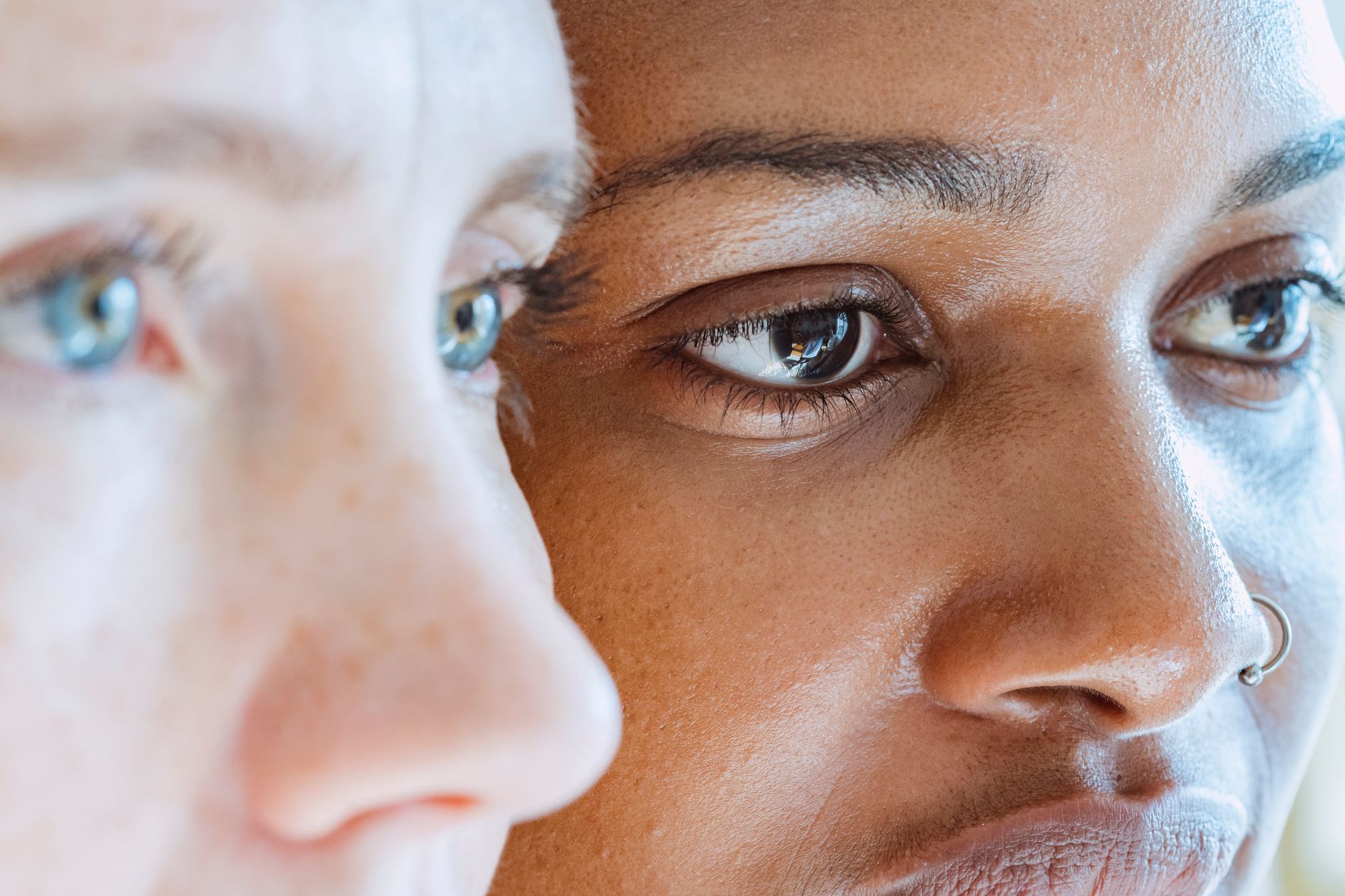
8 Best Colored Contacts for Warm Skin Tones (Ranked by a Beauty Brand)
Warm skin tones glow with honey, hazel, amber, and earthy green lenses — but the wrong color can wash you out instantly. This ranked list breaks down the eight best colored contact options for golden, olive, and bronze complexions, with same-day picks from Hapa Kristin so you can shop and wear today.
15 min read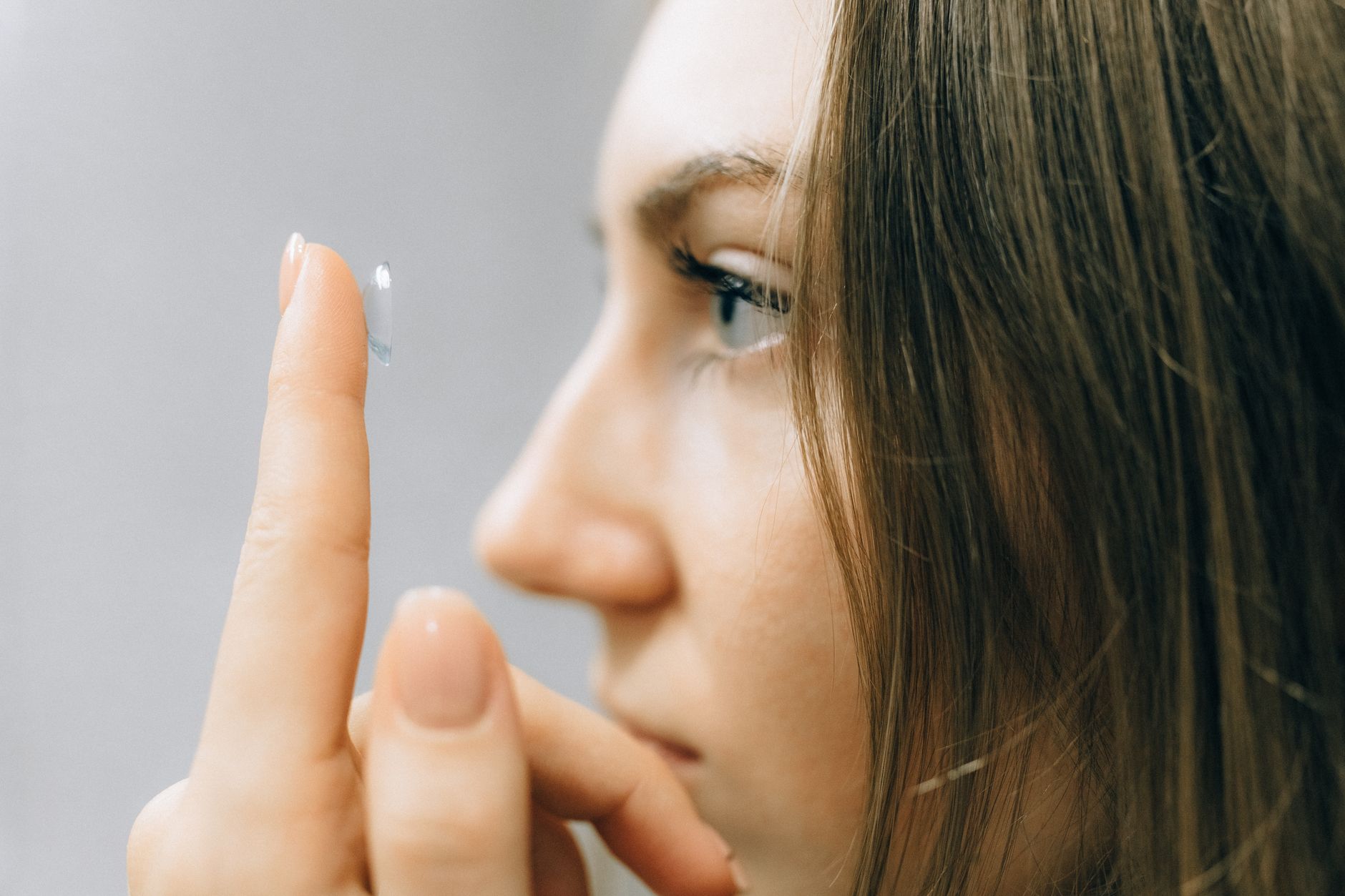
Everything You Need to Know About Colored Contact Safety, Comfort, and Care in 2026
Colored contacts can transform your entire look in seconds, but wearing them safely requires knowing the rules, the risks, and the right care routine. This guide covers everything from FDA regulations and prescription requirements to choosing a flattering color for your skin tone and keeping your lenses comfortable all day.
16 min read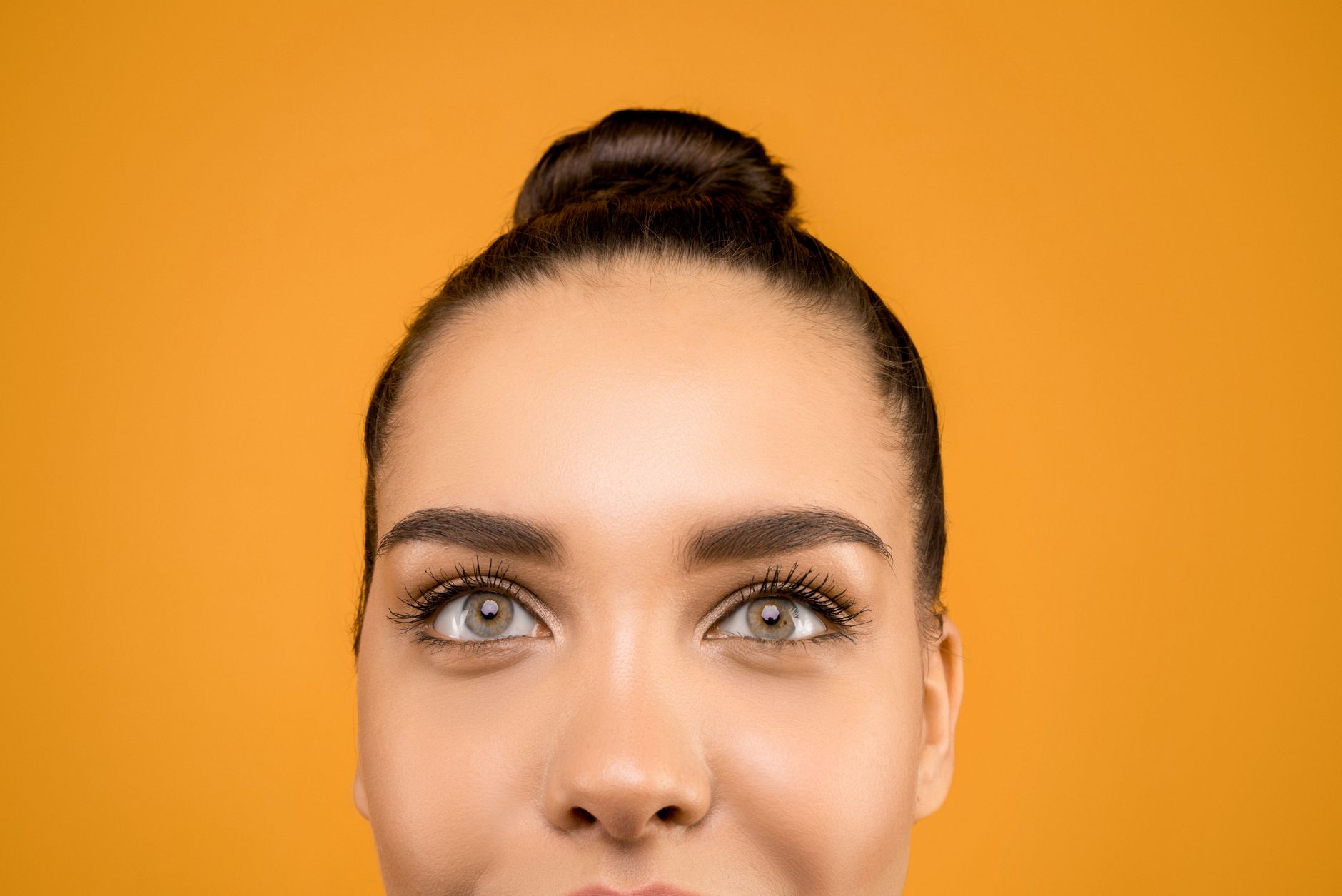
Colored Contact Shades for Brown Eyes: How to Find a Natural Match
Brown eyes are the most common eye color in the world, which makes finding colored contacts that actually transform them a real challenge. This guide breaks down 12 shades proven to show up beautifully over dark irises, matched by skin tone and aesthetic, so you never waste money on a color that disappears on your eyes.
11 min read