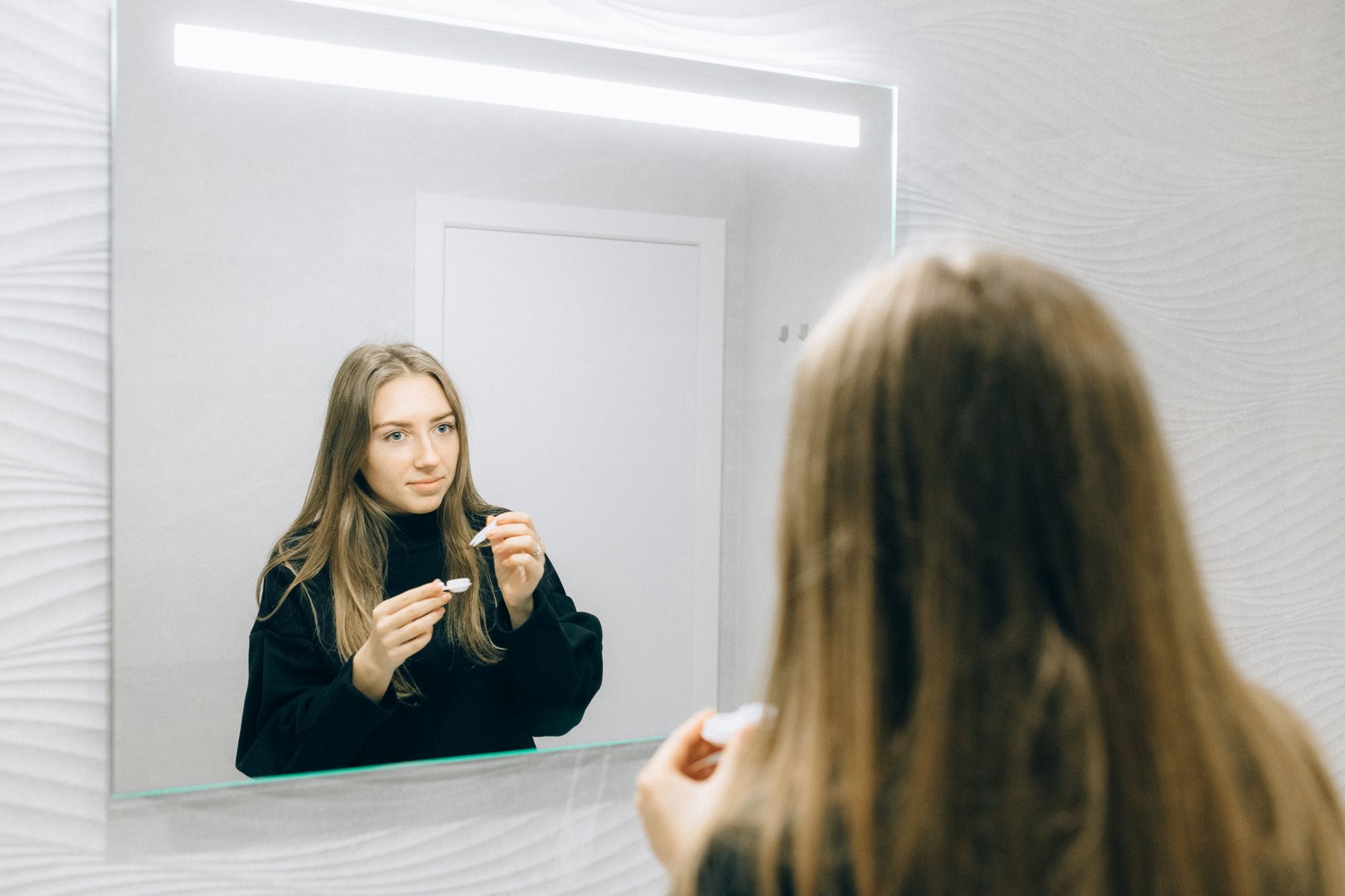
The Ultimate Guide to Choosing Colored Contacts by Skin Tone, Eye Color, and Personal Color
To choose colored contacts that look naturally flattering, match the lens undertone to your skin tone. Consider warm, cool, or neutral options. Think about how your natural eye color affects the final result. Align the lens shade with your personal color season. Warm skin tones suit honey and hazel lenses; cool skin tones look best with gray, blue, and violet; neutral skin tones can wear almost any color.
Why Skin Tone, Eye Color, and Personal Color All Matter Together
Colored contacts do not exist in a vacuum. They interact with three variables simultaneously. Your skin undertone matters. Your natural eye color matters. Your overall personal color palette matters. Miss one of those, and even a beautiful lens can look jarring rather than stunning. A friend's perfect honey-hazel lens looks golden on her warm olive skin. That same lens may read muddy or disconnected on your cool-toned complexion. The global colored contact lens market was valued at $4.2 billion in 2025, growing at a 10.9% CAGR (researchandmarkets.com), which tells you this is no longer a niche category. Millions of consumers are buying these lenses every year, but most are choosing by guess rather than by system. Understanding all three variables before purchasing saves money, reduces the frustration of returns, and produces results that actually turn heads. The color theory behind this is not complicated once you have a framework.
How Natural Eye Color and Lens Pigmentation Interact
Your natural eye color is not a neutral backdrop. It actively mixes with the lens pigment the way a primer affects paint color. Dark brown or black eyes require fully opaque lenses. This achieves true color transformation. A semi-sheer or enhancement tint placed over dark eyes does not produce a clean, defined color. It simply adds a dull cast. This looks neither natural nor intentional. On the flip side, very sheer or light lenses on already-light gray or green eyes can look muddy rather than clean and defined, because the lens pigment blends unpredictably with the underlying iris color. The sweet spot for light-eyed wearers is usually a lightly opaque or enhancement-style lens in a complementary hue that deepens or enriches rather than overrides their natural color. Limbal ring thickness matters too. A defined dark outer ring on a multi-tinted lens mimics the natural iris boundary, which is what gives well-engineered cosmetic lenses their realistic appearance in photos and real-life lighting. At Hapa Kristin Same-day Colored Contacts, we engineer layered pigmentation for deeper Asian eye tones. A single flat pigment layer cannot produce believable color over dark irises. In our experience, this design detail separates a beauty-grade lens from a generic medical supplier's catalog option. That design detail separates a beauty-grade lens from a generic medical supplier's catalog option.
The Color Shift Effect: How Lighting Changes Everything
Lens color is not static. Shades like chestnut or warm brown behave differently depending on the light source. Indoors under warm tungsten or yellow lighting, chestnut lenses can look almost standard dark brown. Step outside or under natural daylight, and the same lens reveals warmer copper and red undertones that were completely hidden inside. This is not a flaw; it is a characteristic of multi-pigment lens construction. Knowing this matters when you are selecting a lens for a specific environment. A lens you test under a ring light in your bedroom may look slightly different on a sunny afternoon shoot or under a venue's cool LED stage lighting. The practical fix is to do your initial test wear across multiple lighting environments before committing to that shade for an event or content day.
What Is Personal Color Analysis and Why It Applies to Contacts
Personal color analysis, also called seasonal color theory, organizes people into four types (Spring, Summer, Autumn, Winter) based on the relationship between their skin undertone, value (light to deep), and chroma (clear versus muted). Each season has a palette of colors that harmonize with the wearer's natural coloring rather than competing with it. K-beauty culture pioneered applying this framework directly to cosmetics including lenses, making seasonal color matching standard practice among Korean beauty consumers long before the concept gained traction in the US. The color cosmetics market, valued at USD 78.4 billion in 2025 (futuremarketinsights.com), reflects how seriously the industry treats color-face harmony. Seasonal color analysis adds precision that "warm versus cool" alone cannot deliver. A Spring type and an Autumn type are both warm-undertoned. The Spring type's light, high-luminosity coloring requires a soft, clear lens. The Autumn type's deeper, muted richness suits darker earthy tones. Putting an Autumn-weight chestnut lens on a Spring type looks heavy and draining rather than natural.
How to Choose Colored Contacts by Skin Tone
Skin undertone is more influential than skin depth when selecting lens color. A fair-skinned person with warm yellow undertones looks better in honey and hazel lenses. So does a deep-skinned person with warm golden undertones. Both look better in these than in icy blue or silver-gray. Surface lightness or darkness matters less than the underlying hue family. The key to identifying your undertone is the wrist vein method. Look at the veins on the inside of your wrist in natural daylight. Green-tinted veins suggest warm undertones with yellow or gold in the skin. Blue or purple veins indicate cool undertones with pink or rosy hues. If you see both equally, you are neutral. This method has been used in cosmetics education for decades. While it is a visual heuristic rather than a clinical measurement, it reliably captures the warm-cool axis that matters most for cosmetic color selection. Neutral undertones have the most flexibility and can wear nearly any blended natural shade without visual conflict.
Warm Skin Tones: Which Lens Colors Are Most Flattering
Warm undertones carry yellow, golden, or peachy hues in the skin. Lenses that mirror those tones, specifically honey brown, warm hazel, peach-brown, amber, and olive green, create a seamless and believable effect. The lens appears to belong to the face rather than sitting on top of it. Avoid icy blue or silver-gray lenses on warm skin. The color contrast between a cool lens and warm skin creates a disconnected, artificial appearance regardless of how high-quality the lens is. Rich amber and copper-toned lenses are particularly powerful for warm skin because they enhance the skin's natural warmth rather than competing with it. For a bolder editorial look, warm-skinned wearers can try forest green or golden hazel with a defined limbal ring, which adds depth without losing the harmony between lens and complexion.
Cool Skin Tones: Which Lens Colors Are Most Flattering
Cool undertones feature pink, rosy, or slightly bluish hues in the skin. Gray, icy blue, lavender, rose-brown, and cool-toned green lenses complement rather than clash with that base. Rose-brown and ash gray lenses in particular create a natural-looking subtle transformation that photographs as convincingly real. One of the practical advantages of cool skin tones is the ability to pull off dramatic violet or deep blue lenses that would look costume-like on warmer complexions. The lens and skin share the same cool hue family, which keeps even bold choices looking intentional. The one category to avoid is warm amber or golden brown lenses. On cool skin, those tones can make the complexion appear sallow, ashy, or unwell, an effect that becomes more visible in photos and video than it does in a quick mirror check.
Neutral and Deep Skin Tones: Maximizing Contrast and Natural Appeal
Neutral skin tones are the most versatile in the lens color game. Blended natural shades like light brown, green-hazel, and warm gray are universally flattering and serve as excellent starting points. Neutral-toned wearers can also experiment across both warm and cool palettes without significant risk of visible disharmony. Deep skin tones deserve their own framework. Opaque, full-coverage lenses are essential for deeper skin tones. These achieve true color transformation. Semi-sheer options will be absorbed by the melanin-rich iris and disappear entirely. Deep skin with cool undertones looks striking in gray and cool hazel. Deep skin with warm undertones produces powerful visual contrast in honey and golden green. That contrast is a deliberate and stunning aesthetic choice, not a mismatch. Bold lens-to-skin contrast is one of the most popular and shared looks in beauty content creation right now.
Colored Contact Lens Color Guide by Season
The table below maps each personal color season to its optimal lens palette, the colors to avoid, and the recommended lens type. Use this as your starting reference before reading the detailed sections that follow.
| Skin Undertone | Personal Color Season | Best Lens Colors | Colors to Avoid | Lens Type Recommendation |
|---|---|---|---|---|
| Warm | Spring | Light honey, peach-brown, warm hazel, golden green | Icy blue, silver gray, cool violet | Enhancement tint or light opaque for subtle lift |
| Warm | Autumn | Chestnut, amber, olive green, warm hazel | Icy blue, lavender, cool ash gray | Opaque for deeper, richer color payoff |
| Cool | Summer | Ash gray, dusty blue, rose-brown, soft lavender | Warm amber, golden brown, orange-toned hazel | Enhancement tint or soft opaque for muted, natural effect |
| Cool | Winter | Icy gray, deep blue, cool green, bold violet | Golden honey, copper, warm chestnut | Bold opaque for high-contrast, clear impact |
How to Match Colored Contacts to Your Personal Color Season
The four seasonal categories give you a precise lens palette rather than a broad warm-or-cool guess. Each season has a defined combination of undertone, value, and chroma. That combination determines which lens colors sit harmoniously near the face. It also determines which ones create visual conflict. Choosing within your season palette does not just improve the lens. It elevates everything around it, making your hair, skin, and eyes appear more vibrant and cohesive simultaneously. The colored contact lens market is projected to reach $6.92 billion by 2030 (researchandmarkets.com), and a growing share of that growth is being driven by beauty-conscious consumers who approach lenses as a color tool, not just a vision product.
Spring and Autumn (Warm Seasons): Lens Colors That Work Best
Spring types are warm, light, and clear. Their coloring has high luminosity and a fresh, bright quality. The best lenses for Spring types are delicate and warm: light honey, golden hazel, peach-brown, and warm green. Heavy, muted, or very dark lenses can overwhelm a Spring type's naturally light and fresh coloring, making the eyes look heavy rather than bright. Autumn types share the warm undertone but differ significantly in depth and chroma. Autumn coloring is deep, muted, and rich. The ideal lens palette shifts toward darker earthy tones: chestnut brown, olive green, warm amber, and deep hazel. An Autumn type wearing a Spring-weight light honey lens will find it disappears against their deeper coloring. Both warm seasons share one clear rule: avoid icy blue and cool-toned gray entirely. Those tones create visible disharmony near a warm face regardless of season depth.
Summer and Winter (Cool Seasons): Lens Colors That Work Best
Summer types have soft, muted cool coloring. The palette is understated and gentle rather than high-contrast or vivid. Dusty blue, rose-gray, ash gray, and soft lavender lenses create elegant, natural-looking results for Summer types. Overly vivid or very dark lenses overpower the Summer type's naturally gentle contrast and can make the eyes look harsh rather than refined. Winter types sit at the opposite end of the cool spectrum. Winter coloring has the highest natural contrast, with deep or clear skin tones against sharp features. Winter types can carry bold, high-saturation, cool-toned lenses that would overwhelm any other season: silver gray, icy blue, deep blue, and violet all work. Warm amber or golden brown lenses clash with the Winter type's cool clarity and appear muddy rather than rich against their complexion. Bold lenses are not a risk for Winter types. They are the natural fit.
Colored Contacts Safety, Prescription Requirements, and Trusted Brands
Safety is non-negotiable. In the United States, all contact lenses including purely cosmetic, non-corrective lenses are classified as medical devices by the FDA and legally require a valid prescription from a licensed eye care professional. Buying lenses without a prescription from overseas marketplaces or unregulated online sellers is illegal and carries documented health risks including corneal abrasion, bacterial infection, and permanent vision damage. More than 45 million people in the US wear contact lenses (researchnester.com), and the growth of online purchasing, which reached 39% of sales in Q1 2025 (researchnester.com), means more consumers than ever are encountering unverified sellers. The prescription requirement exists because a lens must match your eye's specific base curve and diameter, not just your vision correction needs. An ill-fitting lens restricts oxygen to the cornea, causing hypoxia and inflammation, and in severe cases, permanent scarring.
What Makes a Colored Contact Lens Brand Trustworthy
A trustworthy brand carries FDA-cleared or CE-marked products from named manufacturers with published material disclosures. It provides clear wear schedule guidance: daily disposables for occasional use, monthly lenses for regular wear with proper cleaning. Practitioners still account for 61% of contact lens purchases (clspectrum.com), which reflects the trust consumers place in verified, professionally dispensed products. A brand with transparent US-based customer service and physical same-day availability removes the temptation to buy from unverified sources simply because of shipping wait times. We recommend prioritizing retailers like Hapa Kristin Same-day Colored Contacts that stock verified products locally, allowing you to see colors in person and walk away with your lenses the same day rather than waiting for international shipments. The comfort factors worth evaluating are water content (higher water content generally improves all-day comfort), base curve compatibility with your specific eye shape, and oxygen permeability measured as the Dk/t value. Fashion-forward design does not require compromising on clinical-grade materials. Results speak louder.
How to Build Your Personal Colored Contact Lens Rotation
Treat your lens collection the way you treat lipstick or lash styles. A curated rotation of 3-5 shades covers different occasions, aesthetics, and lighting environments without requiring a huge investment all at once. Start with a natural everyday lens in your most flattering base color. Then add one bold or fashion-forward option for content days and events. The rotation expands from there as you understand what works. Consider that lighting environment changes lens appearance significantly: what looks natural outdoors may appear more dramatic under a ring light or studio setup. Matching lens intensity to makeup intensity is one of the simplest styling rules with the highest visual payoff. A full glam look pairs better with a statement lens. Minimal makeup calls for a subtle enhancement tint that enhances rather than overpowers. Seasonal wardrobe shifts are a natural trigger to rotate lens colors too, moving toward warmer tones in fall and winter and cooler or brighter tones in spring and summer.
How to Choose Your First Colored Contact Lens as a Beginner
Beginners should start with a lens that is 1-2 shades lighter or warmer than their natural eye color. For example, imagine a 24-year-old content creator with warm-toned brown skin and deep brown eyes preparing for her first TikTok makeup tutorial video. She chooses a light honey lens that sits 2 shades lighter than her natural eye color, pairs it with warm copper eyeshadow, and tests the full look at home under her ring light for 2 hours before filming to confirm comfort and that the lens reads clearly on camera under studio-style lighting. This produces a believable, low-risk first result that still creates a visible transformation. Daily disposable contacts are the ideal format for first-time wearers: no cleaning regimen, lower commitment, and lower risk if the fit needs adjustment. Before any event or content shoot, do a test wear at home for 2-3 hours to confirm comfort and appearance across different lighting in your own space. This one step eliminates the most common beginner mistake, which is discovering an unexpected issue ten minutes before you need to be on camera. Visiting a physical retailer for same-day access lets you see colors in person against your actual skin tone and lighting rather than relying on product photos that were shot on different models under controlled conditions.
Matching Contacts to Makeup Looks and Outfits
Monochromatic eye looks, where the lens color echoes the eyeshadow, create editorial-level cohesion that photographs extremely well and signals intentional styling. Complementary color pairing, such as a violet lens with warm copper eyeshadow, creates dynamic contrast that reads as polished and intentional rather than accidental. Neutral gray or light brown lenses function like a nude lip for the eyes. They work with virtually any makeup palette and are the safest choice when you are not sure how a look will come together. Content creators specifically benefit from maintaining a lens log that records which colors performed best under different lighting setups and camera filters. This small practice turns random experimentation into a repeatable system. Build the rotation. Own the look.
Frequently Asked Questions
What colored contacts look best on dark brown eyes and warm skin?
Do I need a prescription to buy colored contacts in the US even if I have perfect vision?
How do I know if I am a warm or cool skin tone for choosing contact lenses?
What is the difference between enhancement tint lenses and opaque colored lenses?
Are colored contacts safe for everyday wear?
What personal color season am I and which lens colors match my season?
How long can I wear colored contacts in a single day?
Can I wear colored contacts if I have never worn regular contacts before?
What is the best colored contact lens color for East Asian skin tones?
How do I avoid colored contacts that look fake or unnatural?
What are the best colored contacts for people with cool skin tones?
How do I determine my skin tone undertones?
Are there specific brands that offer high-quality opaque lenses?
Can colored contacts be worn daily without causing eye irritation?
What are the most popular colors for colored contacts among beauty enthusiasts?
Sources & References
About the Author
Hapa Kristin Same-day Colored Contacts
Hapa Kristin offers same-day colored contacts designed for every skin tone and style. Their curated collection lets beauty-conscious women change their eye color as easily as their makeup.
Learn more at hapakristin.us →Related Posts

8 Best Colored Contacts for Warm Skin Tones (Ranked by a Beauty Brand)
Warm skin tones glow with honey, hazel, amber, and earthy green lenses — but the wrong color can wash you out instantly. This ranked list breaks down the eight best colored contact options for golden, olive, and bronze complexions, with same-day picks from Hapa Kristin so you can shop and wear today.
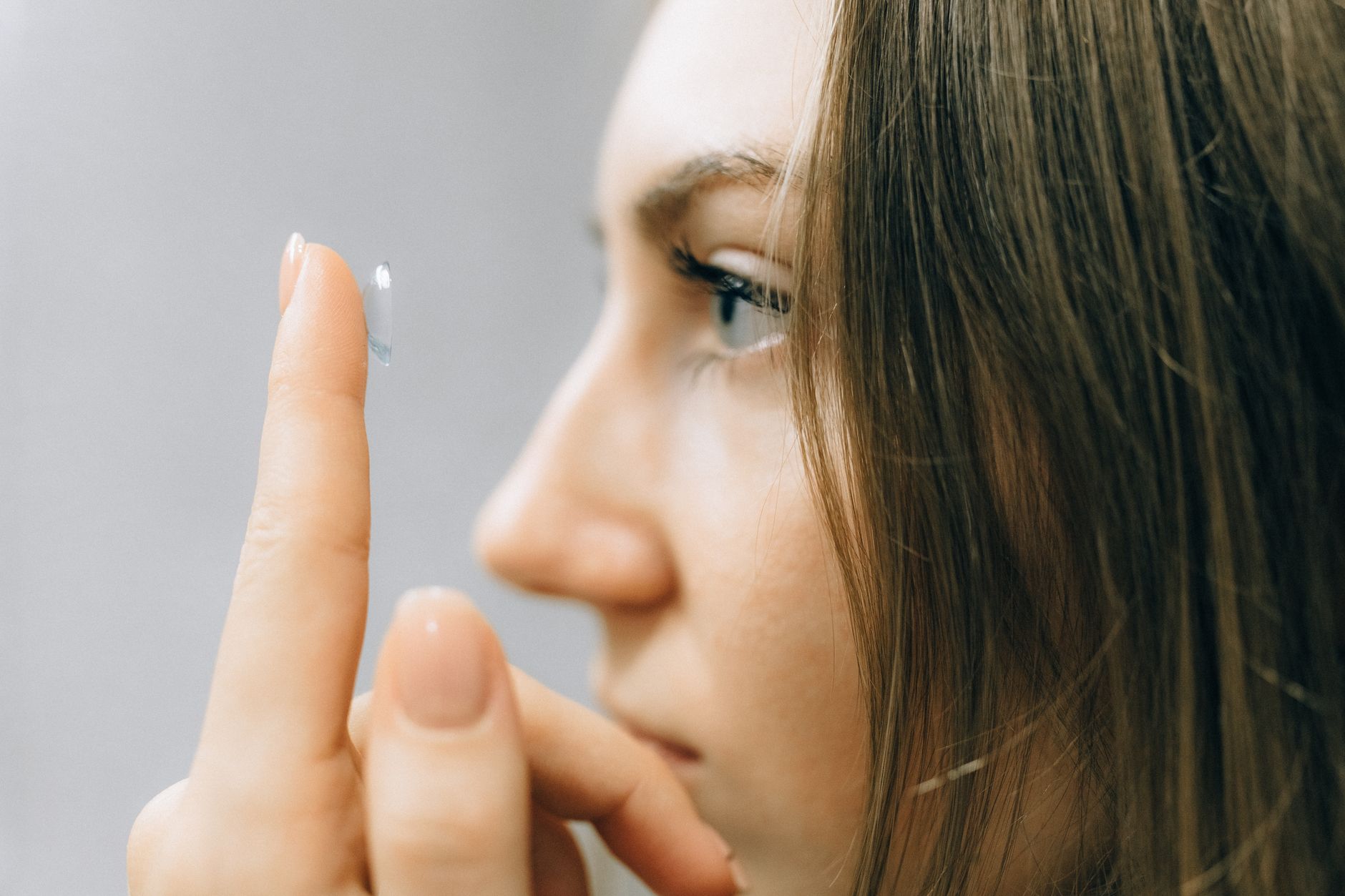
Everything You Need to Know About Colored Contact Safety, Comfort, and Care in 2026
Colored contacts can transform your entire look in seconds, but wearing them safely requires knowing the rules, the risks, and the right care routine. This guide covers everything from FDA regulations and prescription requirements to choosing a flattering color for your skin tone and keeping your lenses comfortable all day.

Colored Contact Shades for Brown Eyes: How to Find a Natural Match
Brown eyes are the most common eye color in the world, which makes finding colored contacts that actually transform them a real challenge. This guide breaks down 12 shades proven to show up beautifully over dark irises, matched by skin tone and aesthetic, so you never waste money on a color that disappears on your eyes.