
Colored contacts work best for content creators when lens diameter, color opacity, and undertone complement your natural eye color and skin tone. Top-performing reels typically feature high-pigment limbal-ring lenses in honey, gray, or blue. Always use a valid U.S. eye prescription, even for non-corrective cosmetic lenses, before purchasing any pair.
Why Eye Transformation Reels Are Dominating Beauty Content Right Now
Short-form video has fundamentally changed how beauty looks get discovered and shared. Eye color transformation delivers a before/after payoff in under three seconds, which is exactly the kind of high-contrast visual moment the algorithm rewards. Short-form video generates roughly 2.8x more engagement than long-form content across all demographics (clippie.ai), and 73% of consumers prefer learning about products through short-form video over any other format (clippie.ai). That preference is what makes eye transformation reels so effective: they deliver product discovery and visual entertainment simultaneously. The global cosmetic contact lens market was estimated at USD 1.5 billion in 2025 and is projected to grow from USD 1.6 billion in 2026 to USD 2.9 billion in 2035 at a CAGR of 7.1% (gminsights.com). That growth curve mirrors the creator economy almost exactly, and the two trends are feeding each other.
How the Algorithm Rewards Eye Color Transformation Content
The mechanics behind viral eye transformation content come down to one behavioral signal: replays. When a creator flips from dark brown to icy gray in two seconds, viewers watch again to confirm what they just saw. That replay loop inflates watch-time metrics, which every major short-form platform weights heavily in distribution. TikTok's engagement rate sits at approximately 5.75% (marketingltb.com), compared to Facebook Reels at roughly 2% (marketingltb.com). Creators who build transformation content around high-contrast lens reveals consistently see comment sections dominated by two questions: "Are those real?" and "What lenses are those?" Both questions drive saves and shares. When creators tag the lens brand, they effectively become organic discovery points for followers who had never considered colored contacts. The algorithm surfaces that content further because the engagement signals are dense and fast.
What K-Beauty's Influence Means for the Colored Contact Trend
Korean idol culture did something specific for colored contacts: it removed the costume stigma. For decades in Western markets, colored lenses meant Halloween or cosplay. K-beauty repositioned them as everyday tools, as normal as lip gloss or blush. The aesthetic emphasis shifted toward enlarging and brightening the iris through wide-diameter designs and defined limbal rings, which read beautifully on camera and create the signature "bright eye" look that beauty audiences worldwide recognize. South Korea's total cosmetics exports surpassed US$11.43 billion in 2025, up 12.3% year-over-year (linkedin.com), and lens design sophistication arrived in the United States as part of that wave. The result is a market where consumers expect lenses to look like fashion accessories, not medical devices.
Choosing the Right Lens Color for Your Skin Tone and Content Aesthetic
Matching a lens to your skin tone is not guesswork. It follows the same personal color logic used in makeup selection. Warm undertone skin tones, those with yellow, golden, or olive bases, photograph best in honey, hazel, chestnut, and warm brown lenses because the analogous color relationship keeps the face looking cohesive. Cool undertone skin tones, including pink, neutral, and deep brown with blue-red undertones, reach their highest contrast and most striking on-camera result with gray, blue, violet, or cool green lenses. Lens opacity level determines how dramatic the transformation reads. Full-coverage opaque lenses deliver the most striking reel moments. Semi-transparent enhancement lenses create depth without completely masking natural color.
Which Lens Shades Work Best for Dark Brown Eyes
Dark brown eyes are the most common eye color among the 18 to 34 demographic that dominates beauty content, and they require a specific strategy. Higher opacity is non-negotiable for true color transformation on camera. A semi-transparent gray lens over dark brown irises will often read as a warm muddy tone rather than a clean steel gray, especially under ring-light conditions. Honey and warm hazel lenses over dark brown eyes create a sun-kissed, natural glow rather than a full-color swap, which is ideal for soft glam and GRWM content. Bold opaque shades in gray or blue create striking contrast that performs exceptionally well in transformation reveals. This is the format that drives the highest comment volume, because the gap between natural and transformed is wide enough to generate genuine surprise. A defined limbal ring adds depth that reads clearly even in lower-quality smartphone footage, which matters because not every creator is shooting on a cinema camera. Choosing a lens with a strong limbal ring is a practical production decision, not just an aesthetic one.
How to Match Lens Color to a Specific Content Aesthetic
Content aesthetic is just as important as skin tone. Subtle enhancement shades create a more believable, natural result that serves soft glam, clean girl, and everyday GRWM formats. These lenses build trust with audiences because the transformation feels achievable and real. Subtle lenses in warm brown or honey let the makeup do the storytelling while the eyes simply look elevated. On the opposite end, bold opaque shades are most useful for dramatic transformation reels, cosplay, editorial content, and high-fantasy looks. Full-coverage violet, teal, or white-gray lenses signal a complete aesthetic shift that gives viewers a clear before/after arc. Think of it as building a lens wardrobe the same way you build a lipstick collection: one natural, one statement, one seasonal pick. Consistent lens color across a content series builds a recognizable visual identity and encourages profile follows, because viewers start to associate a specific look with a specific creator.
Safety, Prescriptions, and What Every U.S. Creator Must Know Before Buying
This section matters more than any aesthetic tip. Under U.S. federal law, specifically the Fairness to Contact Lens Consumers Act, all contact lenses, including purely cosmetic non-corrective lenses, require a valid prescription from a licensed eye care professional (fda.gov). The FDA classifies colored contacts as medical devices. Selling them without prescription verification is illegal, and buying them from unauthorized platforms creates real health risk (fda.gov). A valid prescription includes base curve, diameter, and brand-specific parameters. These numbers must match the lens you purchase. Wearing improperly fitted lenses can cause corneal abrasion, infection, and in severe cases permanent vision damage. Reputable U.S. retailers will always verify your prescription before completing a sale. That step is a sign of legitimacy, not a barrier to purchase.
The Real Risk of Buying Colored Contacts Without a Prescription
Creators sometimes frame prescription requirements as red tape that slows down content production. The actual risk is more serious than inconvenience. Purchasing from unauthorized sellers exposes buyers to counterfeit lenses with unverified materials, packaging, and sterilization standards. The FDA and FTC have issued warning letters to multiple online retailers selling cosmetic lenses without prescription verification (fda.gov). Improperly fitted lenses restrict corneal oxygen flow, leading to hypoxia, a condition that develops silently and worsens with repeated use. For creators who wear lenses during multiple shoots per week, this risk compounds significantly. Beyond the health dimension, creators who visibly promote non-prescription lens sources may face FTC disclosure issues and reputational risk with their audience. The creator economy depends on audience trust. A single sponsored post promoting an unverified source can undermine years of credibility.
How to Get a Contact Lens Prescription Quickly
A contact lens exam is a separate service from a standard eye exam. It specifically measures base curve and corneal diameter for proper lens fit. Many optometrists offer same-day or next-day appointments, especially at retail-based clinics. If you already wear glasses, you still need a separate contact lens fitting, as glasses prescriptions do not include the parameters needed for contacts. Telehealth eye exam services now operate in several U.S. states, though in-person fittings remain the gold standard for first-time wearers. Getting this done once unlocks access to the full range of cosmetic contacts available from legitimate retailers, including same-day options. It takes one appointment.
How to Film Colored Contact Transformation Content That Actually Goes Viral
Filming technique separates a good eye transformation from a viral one. The reveal moment is everything. Film the lens insertion close-up or use a hand-cover transition to maximize the before/after impact. Pairing the eye transformation with a full makeup shift multiplies the visual payoff and gives viewers more to react to in comments. Viral examples consistently show creators combining the lens reveal with quick cut edits, a full face beat, and trending audio to create a three-part sensory transformation. The audio-visual sync is a key algorithmic engagement signal on Reels and TikTok. Show the lens packaging, brand name, and shade in a product shot to satisfy the comment-section audience asking "what lenses are those?" Approximately 71% of teens and young adults use TikTok regularly, where beauty tutorials and product reviews generate billions of views monthly (marketdataforecast.com). That audience expects on-screen product identification.
Camera Settings and Lighting That Make Lens Color Pop
Lighting determines whether your lens color reads true to life on camera. A ring light placed at 18 to 24 inches creates a catchlight in the eye that makes lens color pop and adds visible depth to the iris. Natural window light from the side reveals the gradient and limbal ring detail in textured lenses better than direct front lighting. Side lighting is especially valuable for honey and hazel lenses, where the multi-tone gradient is the selling point. Shoot at eye level or slightly below to maximize iris visibility in the frame. Use portrait mode or a 50mm equivalent focal length to keep the eye in sharp focus while softening the background. Post natively to each platform and use platform-specific text overlays to explain the color and skin tone for accessibility and discoverability. That overlay also functions as a search-indexable caption that extends the content's lifespan in discovery feeds.
Building a Lens Rotation: How Creators Use Colored Contacts Like a Makeup Collection
At Hapa Kristin Same-day Colored Contacts, we designed our same-day model specifically for the moment a creator sees a trending look and wants to execute immediately rather than waiting a week for shipping. For example, imagine a beauty creator in Los Angeles who sees a viral gray-lens transformation reel at 2 p.m. and wants to film her own version for that evening's content window. With same-day access, she can walk into a retail location, verify her prescription, select the exact shade, and be filming by 4 p.m. without losing momentum or missing her audience's peak engagement time. That spontaneity is where content creation lives. In our experience, creators who have immediate access to multiple lens shades capture authentic moments of inspiration rather than losing the trend window to shipping delays. The most successful beauty creators treat colored contacts as a core tool in their look-building toolkit, rotating shades across series the same way they rotate lip colors or lash styles. A practical starter rotation for a creator includes three to five shades: one natural enhancement, one warm statement lens, one cool statement lens, and one seasonal or trend-specific pick. Daily disposable lenses are the most practical format for creators who switch colors frequently, because they eliminate cleaning routines and storage concerns between shoots. Soft lenses, which accounted for 72.7% of the total global cosmetic contact market by value in 2025 (gminsights.com), dominate for a reason: comfort and versatility during extended wear sessions.
A Beginner Content Creator's First Lens Rotation
Starting a lens rotation does not require buying a dozen shades. Start with one shade one step warmer or lighter than your natural eye color. This builds confidence with insertion, removal, and on-camera appearance without the added pressure of an extreme transformation. A honey or amber lens works across the widest range of skin tones and makeup palettes, making it the highest-versatility option for beginners. We recommend honey as a first lens precisely because it delivers visible results without requiring perfect lighting or advanced filming technique, which lets creators focus on mastering the mechanical skills of insertion and removal. It reads warm and natural on every undertone, pairs with almost every makeup style, and looks intentional rather than costumey. Add a gray or blue lens as a second pick for contrast-heavy transformation content once you are comfortable with the basics. Avoid very light or vivid colors, such as pure white or neon green, until you have mastered placement, because off-center positioning is more visible with high-contrast lenses and can undermine the credibility of the content. A well-centered honey lens reads better on camera than a slightly off-center vivid lens every single time.
Frequently Asked Questions
Do I need a prescription to buy colored contacts in the US even if they are just for cosmetic use?
How long can I safely wear colored contacts during a filming session?
What colored contacts look most natural on dark brown eyes?
Can I wear colored contacts if I have never worn contacts before?
How do I prevent my colored contacts from looking obviously fake on camera?
What is the difference between daily, monthly, and yearly colored contact lenses for creators?
Where can I buy colored contacts same day without waiting for shipping?
Are cheap colored contacts from Amazon or overseas sites safe to wear?
Are colored contacts safe for repeated content shoots?
Which lens shades look best on camera?
How do subtle and bold contacts compare in videos?
Where can creators buy safe colored contacts?
Sources & References
- FDA - Contact Lenses: What to Know Before You Buy[gov]
- Why Short-Form Video Continues to Dominate in 2026 - Clippie[industry]
- Cosmetic Contact Lens Market Size Report, 2026-2035 - GM Insights[industry]
- U.S. Color Cosmetics Market Size, Share & Trends, 2034 - Market Data Forecast[industry]
- Short Form Video Statistics 2026: 97+ Stats & Insights - Marketing LTB[industry]
- 4 Predicted K-Beauty Trends for 2026 - Cosmetics Business via LinkedIn[industry]
About the Author
Hapa Kristin Same-day Colored Contacts
Hapa Kristin offers same-day colored contacts designed for every skin tone and style. Their curated collection lets beauty-conscious women change their eye color as easily as their makeup.
Learn more at hapakristin.us →Related Posts
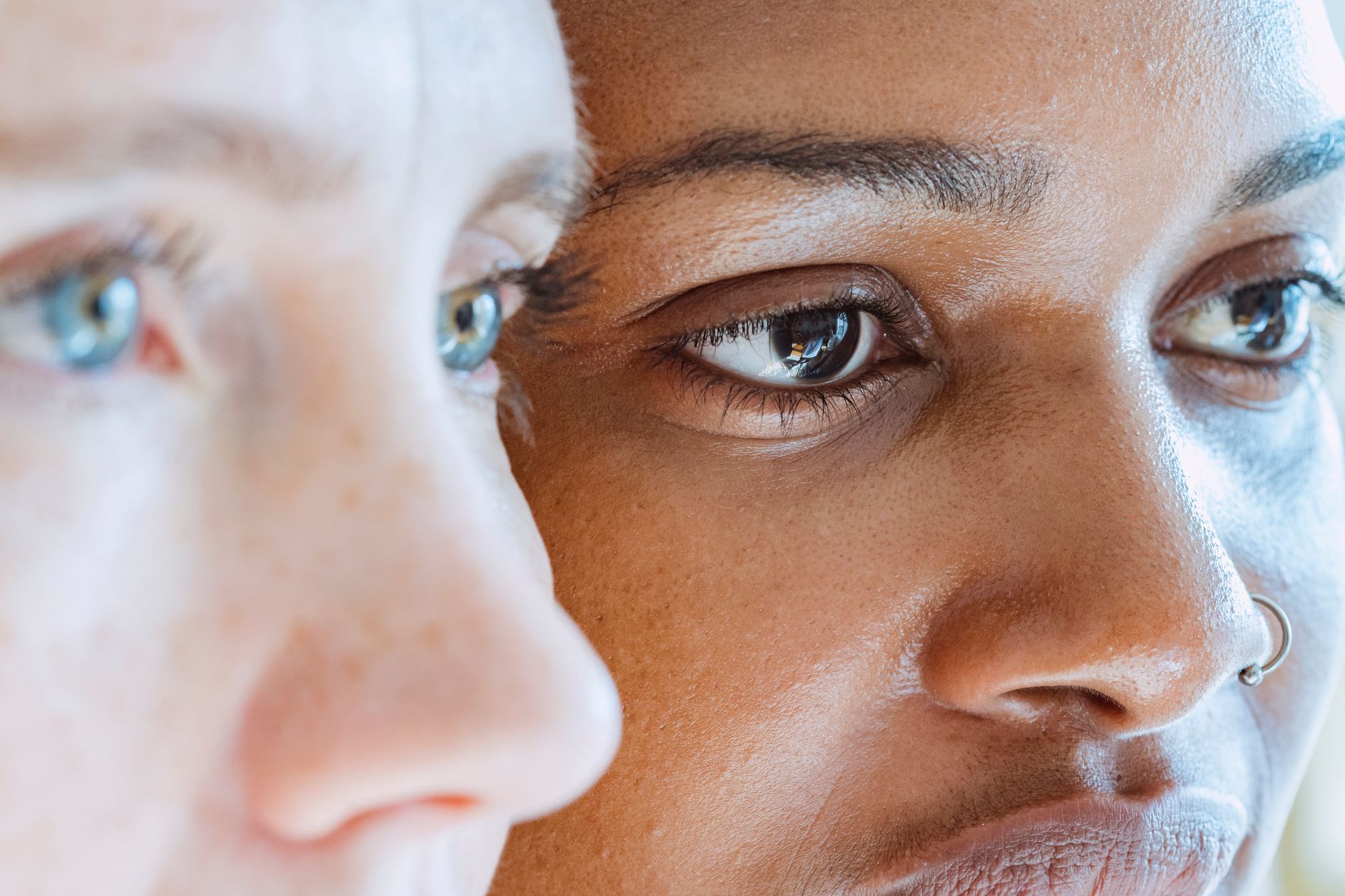
8 Best Colored Contacts for Warm Skin Tones (Ranked by a Beauty Brand)
Warm skin tones glow with honey, hazel, amber, and earthy green lenses — but the wrong color can wash you out instantly. This ranked list breaks down the eight best colored contact options for golden, olive, and bronze complexions, with same-day picks from Hapa Kristin so you can shop and wear today.
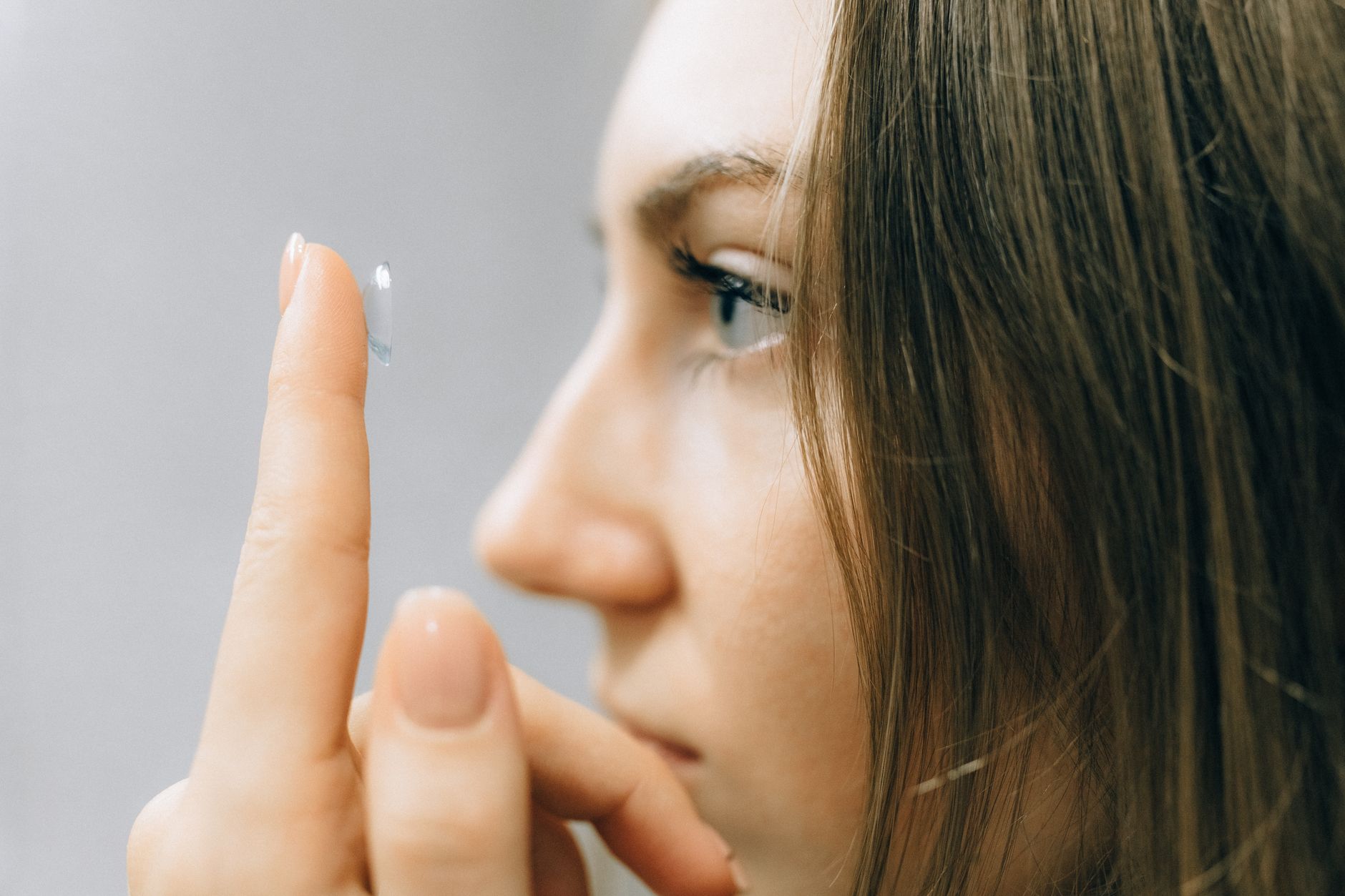
Everything You Need to Know About Colored Contact Safety, Comfort, and Care in 2026
Colored contacts can transform your entire look in seconds, but wearing them safely requires knowing the rules, the risks, and the right care routine. This guide covers everything from FDA regulations and prescription requirements to choosing a flattering color for your skin tone and keeping your lenses comfortable all day.
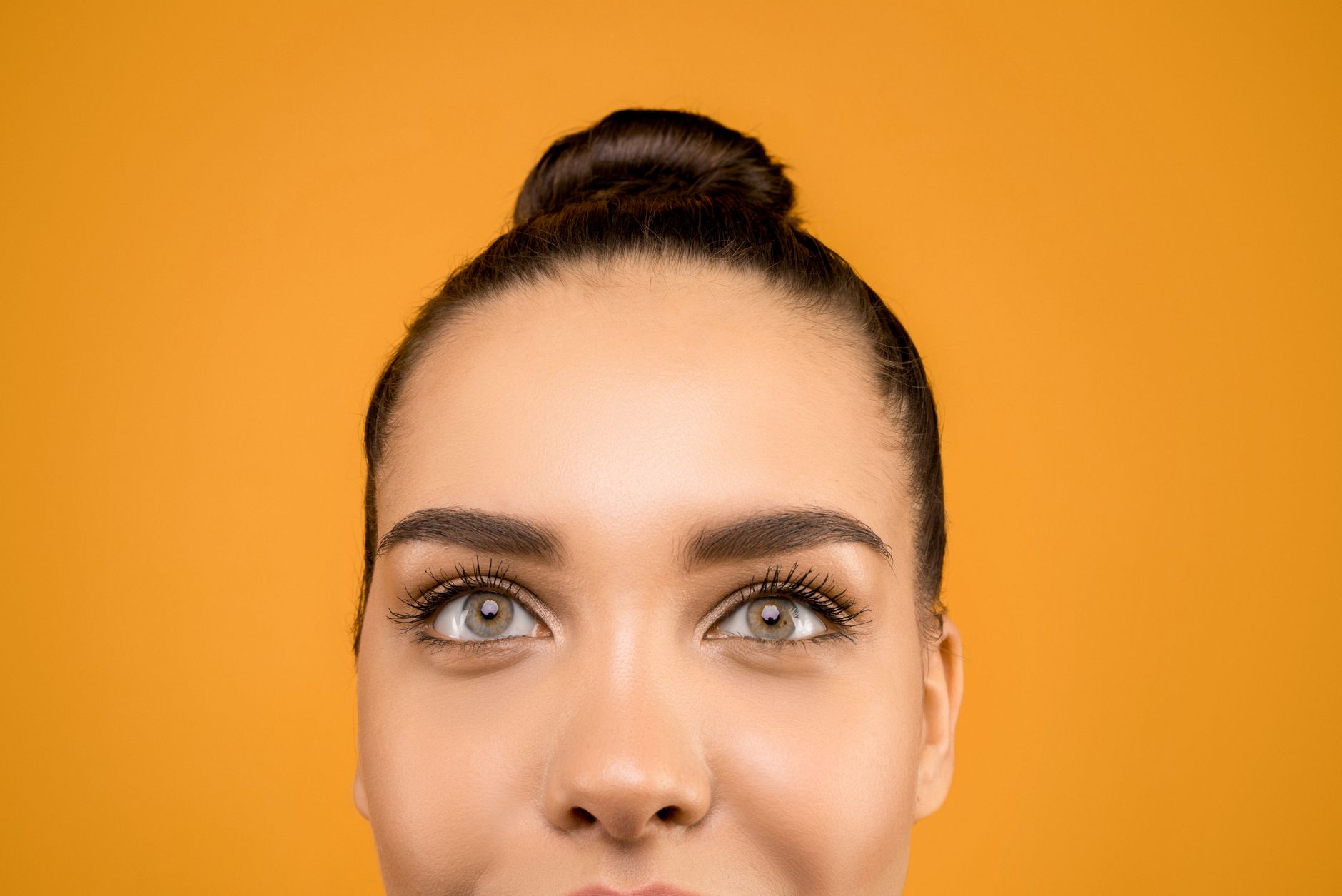
Colored Contact Shades for Brown Eyes: How to Find a Natural Match
Brown eyes are the most common eye color in the world, which makes finding colored contacts that actually transform them a real challenge. This guide breaks down 12 shades proven to show up beautifully over dark irises, matched by skin tone and aesthetic, so you never waste money on a color that disappears on your eyes.