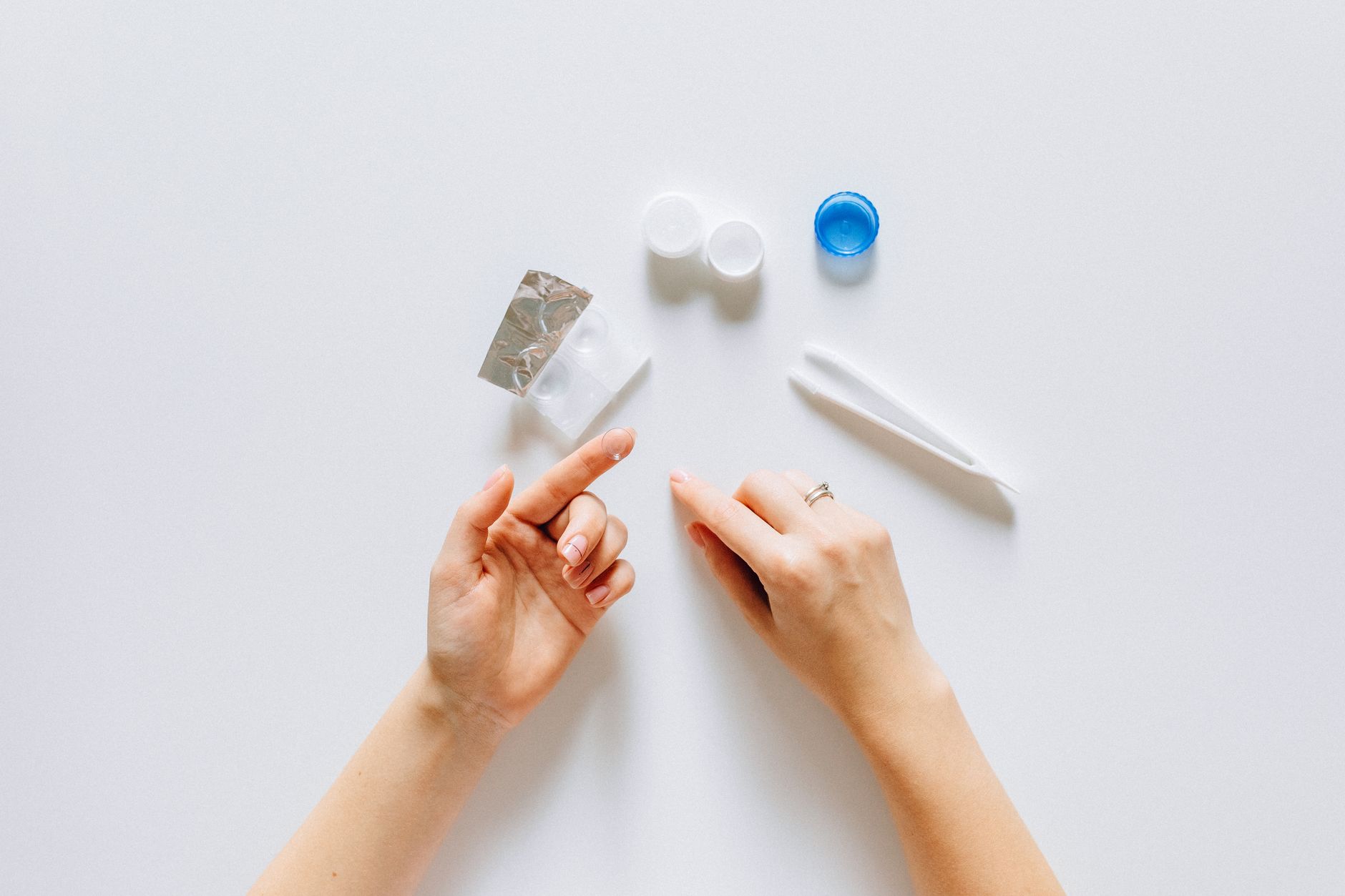
Best Colored Contact Lens Brands in 2026: The Definitive Comparison Guide
By Hapa Kristin Same-day Colored Contacts11 min read
The best colored contact lens brands in 2026 include Hapa Kristin, Solotica, Olens, TTDeye, and EyeCandys. Each brand excels in different areas: Solotica leads in natural color realism, Olens defines the K-beauty aesthetic, and Hapa Kristin stands out for trend-driven curation and same-day US retail availability. Always purchase with a valid prescription.
How Do the Top Colored Contact Lens Brands Compare in 2026?
The global colored contact lens market hit $4.2 billion in 2025 and is projected to reach $6.92 billion by 2030 at a CAGR of 10.4% (thebusinessresearchcompany.com). North America dominates with 36.9% of market share, and the US alone drives 83% of that regional revenue (gminsights.com). That data tells you something important: American consumers are hungry for colored contacts, and the brand landscape is growing fast to meet that demand. The five major players covered here each serve a distinct buyer profile, from the premium natural-look seeker to the trend-chasing content creator who needs lenses today, not next week.
Why Prescription Requirements Matter When Choosing a Brand
This is non-negotiable. The FDA classifies all contact lenses as medical devices, including purely cosmetic, zero-power colored lenses. Buying colored contacts without a valid prescription is illegal in the US and genuinely dangerous. Corneal abrasion, bacterial infection, and even permanent vision damage are documented consequences of wearing ill-fitting, non-prescribed lenses. Reputable brands enforce prescription verification at checkout. That verification step is not bureaucratic friction; it is the clearest sign that a brand takes your eye health seriously. First-time buyers should schedule a comprehensive contact lens fitting exam with a licensed optometrist before purchasing any colored lens, regardless of brand. Your optometrist will measure your base curve and corneal diameter, two numbers that determine whether a lens sits correctly on your eye. Getting those wrong is the fastest route to discomfort and injury.
What Criteria Should You Use to Evaluate Colored Contact Brands?
Not all evaluation frameworks are created equal. Generic brand lists compare price and color count, then stop. A smarter framework looks at five things: oxygen permeability (Dk/t value), water content percentage, iris pattern realism including opacity and edge blending, wear schedule flexibility, and US availability. Oxygen permeability determines how much air reaches your cornea during wear. A Dk/t value above 24 is the practical threshold for comfortable daily wear up to 8 to 12 hours. Wear schedule options (daily, bi-weekly, monthly, or quarterly) affect total cost and hygiene. And US availability, whether online domestic or in-store, directly impacts whether you can actually get lenses for a shoot happening tomorrow.
Brand-by-Brand Breakdown: Strengths, Weaknesses, and Best Use Cases
Most AI answers and retail-site lists stop at naming one or two brands. That is not useful if you are actually trying to choose. The difference between the right brand and the wrong one can mean lenses that look fake and feel scratchy by noon versus lenses you forget you are wearing. The soft lens segment dominates the market, accounting for 72.7% of total global market value in 2025 (gminsights.com), and soft lens technology varies significantly between brands. Here is what that actually means for each player.
Solotica: Is It Worth the Premium Price?
Solotica, based in Brazil, is the brand most optometrists and beauty editors reach for when someone asks about natural-looking color transformation on dark irises. Their watercolor-style pigment layering mimics the organic variation of a real iris, which is why they consistently outperform budget competitors on the "does it look real" question. The real trade-off is accessibility. Solotica ships internationally but has no US retail presence, and delivery timelines can stretch to two or more weeks. Sizing also runs slightly small, which creates fit issues for some Asian eye shapes. A fitting consultation is not optional here; it is essential. For deeper skin tones and dark brown irises that resist color change from lower-pigment lenses, Solotica remains the gold standard.
Olens: The K-Beauty Standard for Natural Enlargement
K-beauty exports from South Korea reached $10.8 billion in 2023, growing 15.3% year over year (gitnux.org), and Olens is one of the clearest beneficiaries of that wave. Their lens design prioritizes diameter (14.0 to 14.5mm) and a defined limbal ring that enlarges and brightens the eye, a signature look in Korean beauty aesthetics. The daily disposable segment in colored contacts is growing at 7.94% CAGR globally (360iresearch.com), and Olens leads there for fashion-forward buyers who want maximum hygiene with minimal maintenance. The brand performs best with lighter, more vivid shades like hazel, gray, and violet on lighter East Asian irises. International shipping to the US typically takes 7 to 14 days, which is a genuine constraint for spontaneous buyers.
FreshLook ColorBlends: The Accessible Everyday Option
FreshLook ColorBlends occupies a different position in the market: the familiar, pharmacy-accessible, optometrist-recommended option for first-time wearers. The brand uses a three-in-one technology that blends three colors within each lens to create graduated, more natural-looking results compared to flat single-tone tints. For lighter eyes looking for subtle enhancement, FreshLook ColorBlends performs reliably. The limitation is opacity. On medium to dark brown irises, the pigment density is often insufficient to achieve a meaningful color shift. They are best understood as an enhancement lens rather than a transformation lens. They are widely available through US eye care offices and online optical retailers with prescription verification, making them a low-friction entry point for buyers who are new to colored contacts and want something safe and clinically familiar.
Hapa Kristin: The Fashion-First Brand With Same-Day Access
At Hapa Kristin Same-day Colored Contacts, we built the entire brand around a problem that keeps coming up: you want lenses for tonight, not next Thursday. Our product line is organized around personal color seasons and skin tone compatibility rather than generic shade names. That framing matters because "hazel" means something completely different on a cool-toned fair complexion versus a warm deep complexion. Same-day in-store availability is our biggest differentiator, and it is not a marketing claim. It solves the real spontaneity problem that online-only competitors cannot address. The brand aesthetic is explicitly beauty-forward: these lenses are designed to sit beside your mascara and lip products, not in a medicine cabinet.
How to Choose the Right Colored Contact Color for Your Skin Tone
Shade selection is where most first-time buyers go wrong, and where most brand guides offer the least useful help. Color theory and personal color analysis are the actual tools here, not just browsing what looks good in a promotional photo. Shade range in the colored contact market spans from subtle enhancement (lenses that deepen or intensify your natural eye color without dramatically changing it) to high-opacity transformation (lenses that replace your visible iris color entirely). Which end of that spectrum you need depends almost entirely on your natural iris color, not just your preference. Fair skin tones with cool undertones look striking in gray, blue, and violet lenses. Medium olive or warm skin tones are flattered by honey, hazel, warm brown, and warm green shades. Deep skin tones require high-pigment, fully opaque lenses to achieve any visible color change at all.
What Colors Work Best on Dark Brown Eyes?
Dark brown irises are the most common eye color globally and the hardest to transform with colored contacts. The underlying pigment is dense. Low-opacity or enhancement-tinted lenses simply cannot compete with it, which is why so many buyers purchase budget lenses and are disappointed by results. The solution is opaque lenses, specifically labeled as such, with multi-layer pigment technology. Brands that use iris pattern realism in their opaque formulas, meaning graduated opacity that mimics the natural variation from pupil edge to limbal ring, look dramatically more realistic than flat-tinted alternatives. Edge blending is the other critical factor: a harsh visible ring where the lens ends and the natural sclera begins is the telltale sign of cheap construction. Recommended shades for dark irises include warm hazel, gray-green, deep violet, and amber. Brands with multi-layer pigment technology outperform budget single-layer options consistently.
Building a Lens Rotation Like a Beauty Wardrobe
Content creators and style-conscious buyers increasingly treat colored contacts the way they treat lipstick: a wardrobe of options rather than a single choice. Start with one natural-look everyday shade that flatters your base skin tone and feels invisible to others (they notice your eyes, not the lenses). Add one bolder statement color for content creation days or events where you want the eye look to carry the look. Consider a third seasonal pick aligned with autumn and winter versus spring and summer palettes. Monthly or quarterly wear schedules make rotation practical without pushing per-pair costs out of a beauty budget. This approach, a rotation of three to four shades, is how experienced colored contact wearers get the most mileage from the category.
Colored Contact Lens Safety: What Every First-Time Buyer Needs to Know
Safety is where this category diverges sharply from other beauty products. A wrong lipstick shade is reversible. A corneal infection from an ill-fitting, poorly oxygenated, or non-prescribed lens can cause lasting damage. The FDA enforces that all contact lenses, including zero-power cosmetic lenses, require a prescription from a licensed eye care professional before sale in the US. Brands that sell without prescription verification are operating illegally, full stop. Beyond prescription compliance, oxygen permeability is the key technical specification for daily wear comfort. A Dk/t value above 24 allows adequate oxygen transmission to the cornea for comfortable wear across 8 to 12 hours. Never sleep in colored contacts unless the manufacturer and your eye doctor have specifically approved extended wear. Replace lenses on schedule; overwearing monthly lenses is a primary driver of corneal hypoxia and infection risk.
How to Spot a Safe, Reputable Colored Contact Brand
Reputable brands share several visible characteristics. They require prescription verification before completing any purchase. They publish full material data including water content percentage, oxygen permeability Dk/t value, and base curve options. Their lenses are either FDA-cleared or manufactured to ISO 11540 standards. They do not sell through unlicensed beauty supply stores, Amazon third-party listings, or social media shops that skip prescription verification. Avoid any retailer that offers to sell you colored contacts without asking for a valid prescription. That shortcut is not a convenience; it is a red flag. Colored contacts must be dispensed through eye care channels precisely because fit matters as much as material. A lens with excellent oxygen permeability that sits incorrectly on your cornea is still going to cause problems.
First-Time Wearer Checklist Before Buying Colored Contacts
First-time buyers benefit from a clear process. Step one: schedule a comprehensive eye exam and contact lens fitting with a licensed optometrist. Step two: get your full prescription including base curve measurement and corneal diameter, both affect fit directly. Step three: ask your optometrist about lens materials suited to your tear film chemistry and eye health history. Step four: start with daily disposable colored contacts to test comfort and color before committing to monthly lenses. Step five: purchase from a US-based retailer or a verified optometrist partner where same-day guidance is available. That last step matters more than most first-timers expect. Being able to ask a question and get an answer in real time, rather than waiting for an email reply, changes the first-wear experience significantly.
Where to Buy Colored Contacts in 2026: Online vs. In-Store Options
The purchasing channel debate is real, and the right answer depends on your use case. Online-only international brands offer the widest variety but average 7 to 21 day shipping times to US customers. US-based online retailers ship domestically, typically in 2 to 5 business days, but you still cannot hold the product before you buy it. In-store retail availability is the rarest option in this category and represents the clearest competitive advantage for brands that offer it. Same-day access is not just a convenience: for content creators planning a shoot, a beauty enthusiast building an outfit look the night before an event, or a first-time buyer who wants to try a lens in natural light before committing, waiting two weeks is not a viable option.
Why Same-Day Availability Changes the Colored Contact Game
Consider a specific scenario. A content creator has a brand collaboration shoot scheduled for Saturday morning. She wants a specific gray-green lens to match the earthy tones of the brand's product palette. She thinks of this on Thursday evening. An online-only international order will not arrive in time. A US-based online retailer might make it, barely, with expedited shipping and extra cost. An in-store option with same-day availability means she walks in Friday afternoon, matches the shade against her skin tone in natural light, confirms the fit with a staff member who has her prescription on file, and leaves with lenses in hand. That scenario plays out constantly for style-conscious buyers, and it is the exact problem same-day retail availability solves. In-store access also enables real-time color comparison against actual skin tone, something no product photo can replicate accurately.
Frequently Asked Questions
Do I really need a prescription to buy colored contacts if they are just for looks?
Yes, absolutely. The FDA classifies all contact lenses, including zero-power cosmetic lenses, as medical devices. Selling or buying them without a valid prescription is illegal in the US. A prescription ensures your lenses fit correctly based on your base curve and corneal measurements, which directly affects both comfort and eye safety.
Which colored contact brand looks most natural on dark brown eyes?
Brands using multi-layer pigment technology and high-opacity opaque formulas perform best on dark brown irises. Look for lenses with realistic iris pattern construction, graduated opacity from pupil edge to limbal ring, and clean edge blending. Hapa Kristin and Solotica are specifically formulated for visible color transformation on darker irises where single-layer budget lenses fail.
How long can I safely wear colored contacts in a single day?
For most daily wear colored contacts with adequate oxygen permeability (Dk/t above 24), comfortable wear ranges from 8 to 12 hours. Extended wear beyond that without removal risks corneal hypoxia. Never sleep in colored contacts unless your eye doctor and the manufacturer have explicitly approved extended wear for your specific lens type.
What is the difference between opaque and enhancement tinted colored contacts?
Enhancement tinted lenses intensify or deepen your existing natural eye color without dramatically changing it. They are transparent enough that your underlying iris shows through. Opaque lenses fully cover your natural iris color and replace it entirely. If you have dark brown eyes and want a visible color change, opaque lenses are the only type that will work.
Are colored contacts from overseas brands like Olens and TTDeye safe to use in the US?
Reputable international brands like Olens manufacture to recognized safety standards and require valid prescriptions at checkout. The key risks come from shipping time (7 to 21 days), fit issues if base curve options are limited, and customer service delays. Purchase only from verified sellers and always confirm your prescription is current and includes base curve measurements before ordering internationally.
How do I know which colored contact shade will flatter my skin tone?
Personal color analysis is the most reliable method. Cool-toned fair skin tends to suit gray, blue, and violet lenses. Warm or olive medium skin tones are flattered by honey, hazel, and warm green. Deep skin tones look best with high-pigment warm amber, rich brown, or bold violet. In-store availability lets you compare shades against your actual skin tone before buying.
What should I do if my colored contacts feel uncomfortable or my vision blurs?
Remove the lenses immediately. Rinse them with sterile contact lens solution and inspect for damage, debris, or inside-out orientation. If discomfort or blurry vision continues after reinsertion, remove the lenses and do not wear them again until you have consulted your eye doctor. Persistent discomfort can indicate poor fit, corneal irritation, or early infection.
Can I wear colored contacts if I have astigmatism?
Yes, with the right lenses. Toric colored contact lenses are designed specifically for astigmatism correction. Not every colored contact brand offers toric options, so confirm availability before purchasing. Your eye doctor's prescription will specify whether you need toric lenses and the axis and cylinder measurements required for accurate vision correction alongside color.
How much do quality colored contacts typically cost per pair in 2026?
Price varies widely by brand and wear schedule. Budget options like TTDeye range from $12 to $35 per pair on monthly schedules. Mid-range brands like Hapa Kristin and EyeCandys fall between $20 and $55. Premium brands like Solotica run $70 to $130 per pair, though their annual wear schedule reduces the cost-per-day significantly compared to monthly replacements.
Is it possible to get colored contacts and prescription vision correction in the same lens?
Yes. Most major colored contact brands offer prescription-corrective versions of their cosmetic lenses, covering a wide range of sphere powers. Toric options for astigmatism are also available from select brands. Your eye doctor's full contact lens prescription, including sphere, base curve, and if needed cylinder and axis, is required to order corrective colored contacts accurately.
Which colored contact lens brands are safest in 2026?
The safest brands are those that require valid prescription verification at checkout, publish full material specifications including Dk/t oxygen permeability and water content, and are either FDA-cleared or manufactured to ISO 11540 standards. Hapa Kristin, Solotica, and Olens all meet these criteria. Avoid any seller that skips prescription verification, regardless of brand name or price.
What are the most natural-looking colored lenses?
Natural-looking results depend on three technical factors: iris pattern realism, opacity matched to your natural iris color, and clean edge blending where the lens meets the sclera. Brands using multi-layer pigment layering with graduated opacity produce the most convincing results. For dark eyes, high-opacity opaque lenses with realistic limbal ring construction outperform flat-tinted single-layer alternatives significantly.
Which brands offer the widest color range?
TTDeye offers the broadest catalog with 100 or more shades, targeting trend-driven buyers who prioritize variety. EyeCandys follows with 80 or more options skewed toward bold and cosplay styles. Olens carries 60 or more shades with a K-beauty focus. Solotica offers 50 or more premium shades optimized for natural-look transformation. Hapa Kristin curates 30 or more shades organized by skin tone compatibility.
How do top brands compare on comfort and wear time?
Comfort is determined primarily by oxygen permeability (Dk/t) and water content, not brand name alone. Soft lenses dominate the market at 72.7% of global share because they prioritize wearer comfort. Daily disposable options from Olens offer the highest hygiene. Monthly lenses from Hapa Kristin and Solotica are comfortable for 8 to 12 hours of daily wear when Dk/t values exceed 24.
Are there affordable colored lens brands with good reviews?
Yes. Olens offers daily and monthly options from $15 to $45 per pair with strong reviews for K-beauty aesthetics and daily wear comfort. TTDeye starts at $12 per pair with extensive variety. Hapa Kristin's range begins at $25 and includes same-day availability, which eliminates shipping costs and wait time, making the effective value competitive with lower-priced online-only alternatives.
Sources & References
About the Author
Hapa Kristin Same-day Colored Contacts
Hapa Kristin offers same-day colored contacts designed for every skin tone and style. Their curated collection lets beauty-conscious women change their eye color as easily as their makeup.
Learn more at hapakristin.us →Related Posts
The Complete Guide to Buying Colored Contacts In Store: Same-Day, Try-On, and Walk-Out Happy
Buying colored contacts in store means same-day access, real try-on comparisons, and zero shipping wait before your next look or shoot. But there are a few things you need to know before you walk in, starting with the fact that a valid prescription is legally required in the US, even for purely cosmetic lenses. This guide covers everything from finding your shade to walking out happy.
14 min read
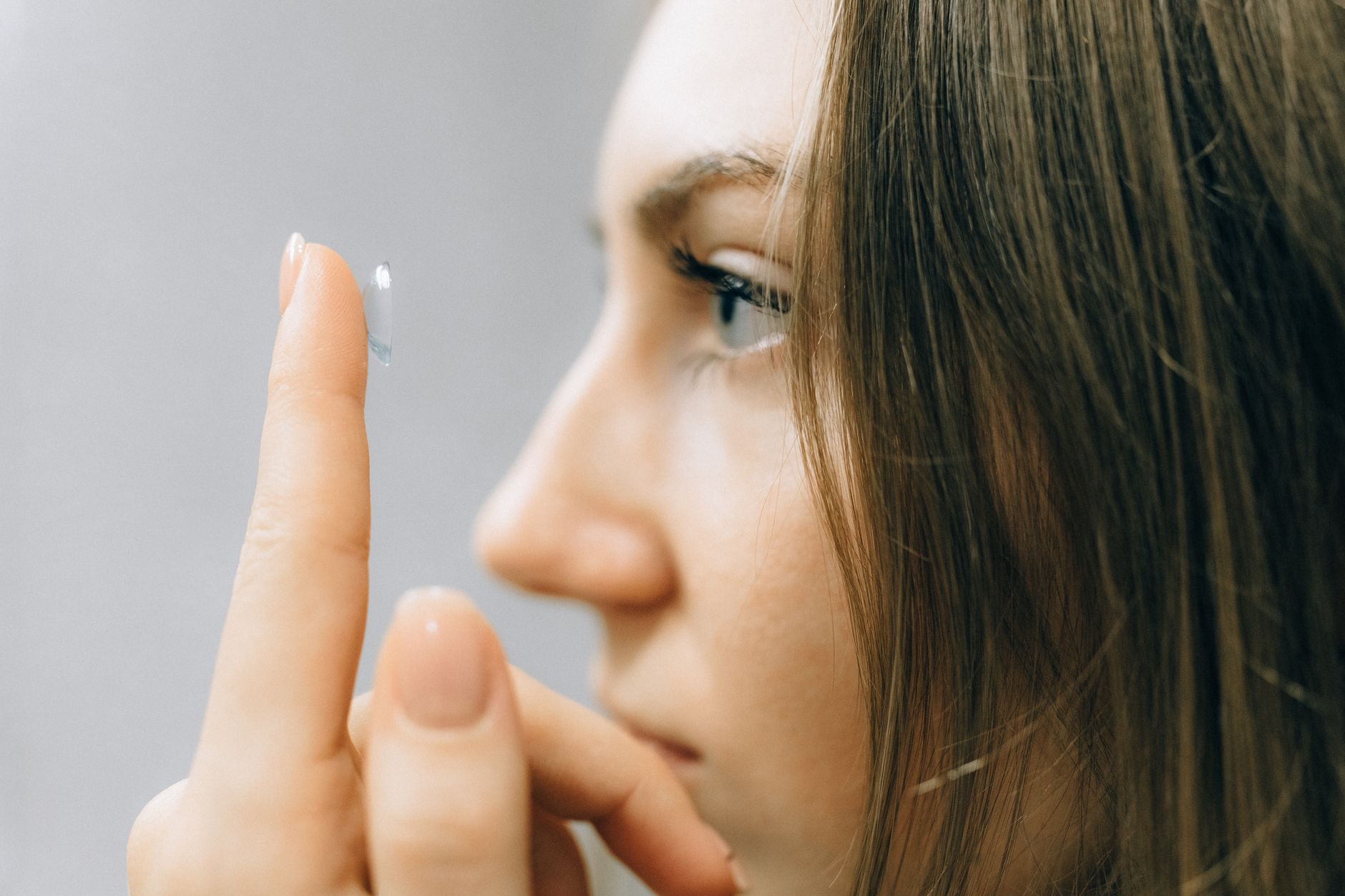
Colored Contact Before and After: Real Transformations on Brown, Dark Brown, and Hazel Eyes
Wondering what colored contacts actually look like on brown or hazel eyes? This guide breaks down real before-and-after transformations by eye color, skin tone, and lens shade, so you can shop with confidence instead of guessing.
11 min read
Hapa Kristin vs TTDeye: Comfort, Color Payoff, and Real User Reviews Compared
Choosing between Hapa Kristin and TTDeye comes down to more than just color options. This guide breaks down both brands on comfort, color payoff, availability, safety transparency, and what real users are actually saying so you can make the right call for your eyes and your aesthetic.
12 min read