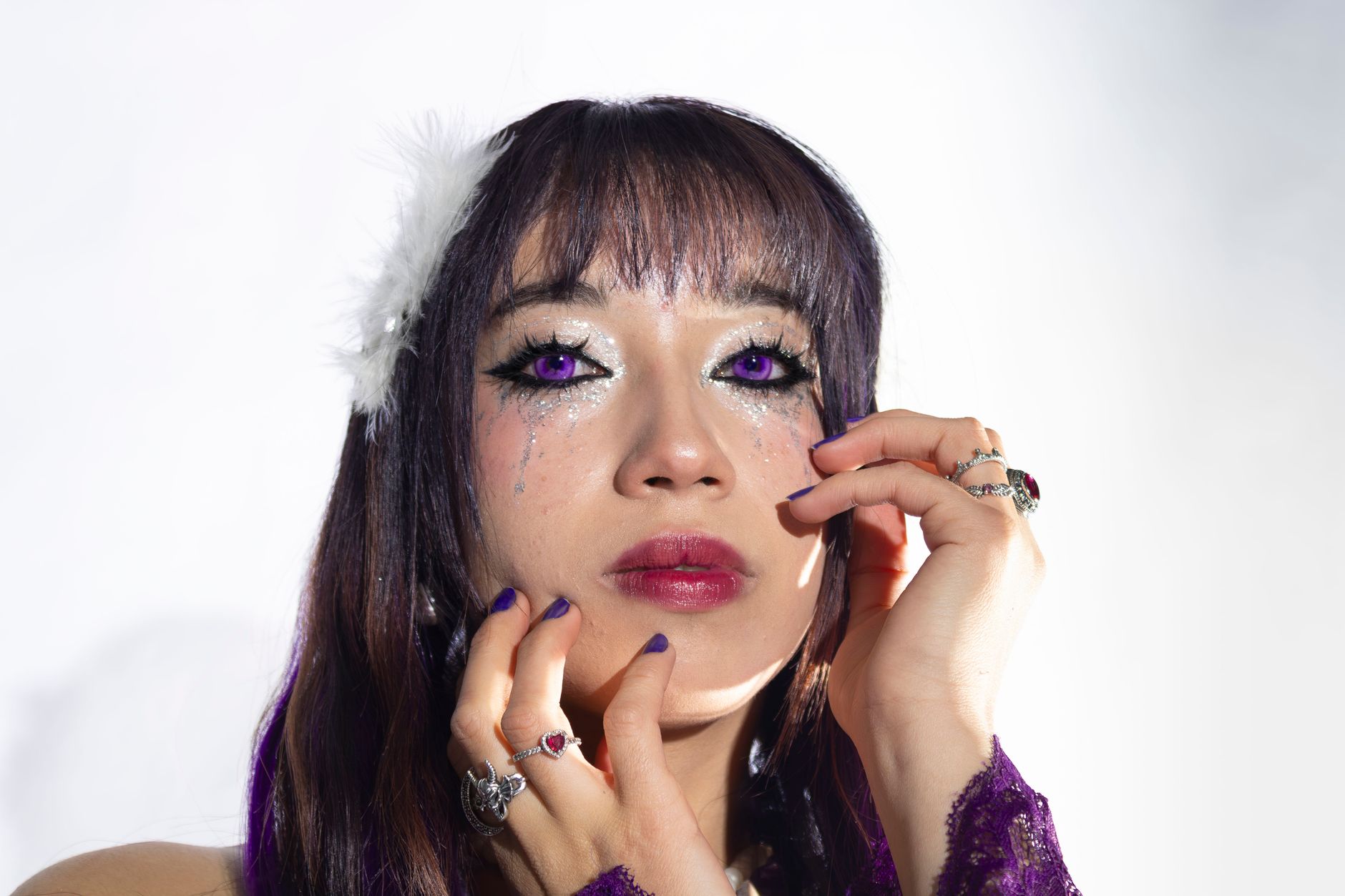
The best colored contact lens brands available in the US in 2026 include Hapa Kristin, Solotica, Olens, EyeCandys, and TTDeye. Solotica leads for ultra-natural pigmentation, Olens dominates K-beauty aesthetics, TTDeye and EyeCandys offer the widest variety online, and Hapa Kristin stands out for same-day retail access and skin-tone-matched curation.
How to Evaluate a Colored Contact Lens Brand
Seven criteria separate a lens you will re-order from one you wear once. Natural appearance, limbal ring design, comfort rating, and oxygen permeability describe how the lens performs on your eye. Color range, US availability, and price per box describe what it costs you to actually get it. Safety and prescription compliance sit underneath all of it as hard requirements rather than bonus points. Social media popularity tells you nothing about any of these. The global colored contact lens market was valued at $5.93 Billion in 2024 and is projected to reach $9.11 Billion by 2035 (marketresearchfuture.com), so the number of brands competing for your attention is growing faster than your ability to test them.
Why Natural Look, Comfort, and Value Are the Dimensions That Matter
Natural look is consistently the top purchase driver among first-time colored lens buyers in beauty consumer research. Comfort determines whether you buy a second box. Retailers and distributors adopting regulated disposable lens portfolios have reported nearly 21% decline in customer complaint rates associated with discomfort and irritation (strategicmarketresearch.com), which confirms that comfort is not a soft metric. Value means total cost of ownership. It measures how often you replace the lens. It is not the sticker price per box.
Why Safety and Prescription Compliance Come First
Every colored contact sold in the US, including purely cosmetic zero-power lenses, legally requires a valid prescription under FDA regulations and the Fairness to Contact Lens Consumers Act. A seller that does not ask for one is not offering you a shortcut. It is telling you it operates outside the rule that exists to protect your cornea. Improper use of contact lenses leads to nearly a million doctor visits each year in the US (winkeyecarenwi.com). Buying unregulated lenses from overseas sources carries documented risks including corneal abrasion, microbial keratitis, and permanent vision damage. Consumers using regulated disposable lenses demonstrate nearly 26% higher compliance rates with safe wearing schedules compared to those using unregulated sources (strategicmarketresearch.com). Check this before you compare anything else.
What the US Colored Contact Lens Market Looks Like in 2026
North America led the colored contact lens market, contributing over 50.08% of global revenue in 2024 (marketresearchfuture.com), and US consumers have more quality brand options today than at any previous point. By 2026, approximately 58% of cosmetic contact lens purchases among consumers aged 18-34 are expected to occur through digital commerce channels (strategicmarketresearch.com). That statistic also explains why same-day physical retail access is worth asking about. It is the one thing a shipping timeline cannot compress.
The table below lists what you can verify before you buy. Fit and comfort are personal, so they are not in it. Your optometrist and your own trial are the only reliable sources on those.
| Brand | Origin | Typical price per box | US availability | Typical delivery |
|---|---|---|---|---|
| Hapa Kristin | South Korea | $30-$60 | Physical retail and online | Same-day at retail |
| Solotica | Brazil | $80-$120 | Authorized US resellers | 3-7 days |
| Olens | South Korea | $20-$45 | Online, ships to US | 7-14 days |
| Acuvue Define | US (Johnson & Johnson Vision) | $25-$45 | Eye care practices and online | 1-5 days |
| FreshLook ColorBlends | US (Alcon) | $25-$45 | Eye care practices and online | 1-5 days |
| EyeCandys | US | $25-$50 | US-based online retail | 3-7 days |
| TTDeye | Overseas | $15-$35 | Online, ships from overseas | 10-21 days |
What We Make, and Who It Is For
We are Hapa Kristin, so treat this section as what it is. It is the one part of this guide where we are describing our own product rather than the category.
We built the brand around a gap we kept hitting. You should not have to wait a week to try a new eye color before a shoot or an event. Our lenses are stocked at physical US retail locations for same-day purchase, and prescription verification is built into that retail flow. The color range is designed and tested across a spread of skin tones, from deeper melanin-rich complexions to fair porcelain undertones, because a shade that reads as natural on one does not automatically read as natural on another. The design intent is soft enhancement rather than a dramatic shift. Whether that is what you want is a separate question, and the rest of this guide is written so you can answer it without us.
Solotica
Solotica is a Brazilian brand built on multi-tone pigmentation. Each lens layers several tones rather than applying a single flat tint, which is the technical reason its opaque lenses read with more depth on dark irises than single-layer designs do. The Hidrocor and Natural series are the ranges most associated with that effect. In the US it sells through authorized resellers and select eye care professionals, with delivery typically running 3-7 days. It sits at the top of the price band in this table.
Olens
Olens is a Korean brand known for wide limbal ring designs that make the iris read as larger, which is the look associated with K-pop and K-drama beauty culture. Its catalog has moved substantially toward silicone hydrogel, the material that now leads the colored contact market with 52% share on the strength of oxygen permeability (marketresearchfuture.com). International fulfillment to US customers typically takes 7-14 days.
Acuvue Define and FreshLook ColorBlends
These two appear in US optometry office recommendations more often than any other colored lens. Acuvue Define, from Johnson & Johnson Vision, is an enhancement lens rather than a full-coverage opaque one. It adds definition to your natural iris instead of covering it. The daily disposable format means no cleaning routine and no lens case, which removes two of the most common sources of contamination for new wearers. FreshLook ColorBlends uses a three-in-one color technology that blends three tones within each lens for a gradient rather than a flat tint. Both are dispensed through eye care practices, which means the prescription step is handled in the room with you.
EyeCandys
EyeCandys is a US-based online retailer rather than a manufacturer. It stocks house-brand lenses alongside curated selections from several makers, so its catalog is broader than any single-brand site. Its strength is vivid, non-natural fashion color: violet, turquoise, and honey amber are consistently among its bestsellers. It requires prescription upload at checkout, and domestic shipping runs 3-7 days.
TTDeye
TTDeye runs a large online catalog spanning hundreds of colorways at the lowest price band in this table. Lenses ship from overseas warehouses, and 10-21 day delivery is standard, which rules it out for anything time-sensitive. Published reviews of quality consistency vary by SKU. It assumes you already know your base curve and diameter and can assess fit yourself.
Colored Contact Lens Comparison: Natural Look vs. Fashion vs. K-Beauty Styles
Not all colored contacts are trying to do the same thing. Conflating styles leads to disappointed buyers. Natural look lenses, like those from Solotica and Hapa Kristin, prioritize multi-tone pigmentation, realistic limbal rings, and iris-blending technology. The goal is a lens that looks like it grew in your eye. Fashion or costume lenses, available through EyeCandys and TTDeye, prioritize visual impact and color saturation over realistic appearance. They are designed to be noticed, not to pass as natural. K-beauty style lenses, led by Olens, occupy a middle ground: the iris effect is slightly enlarged and idealized, the colors are soft and gradient, and the overall look is aesthetically flattering rather than strictly realistic. Knowing which category matches your goal is the single most important decision you make before choosing a brand.
How to Match a Lens Style to Your Skin Tone and Eye Color
Skin tone and base eye color are the two most practical variables in lens selection, and getting them right separates a convincing result from an obviously fake one. Warm undertone skin tones (golden, olive, bronze) typically suit hazel, honey, warm brown, and olive green lenses. These colors pick up the warm pigments already in your complexion and create cohesion rather than contrast. Cool undertone skin tones (pink, blue, neutral) are generally flattered by grey, blue, violet, and cool green lenses that complement rather than clash. Dark brown base eye colors require opaque lenses. This achieves a real color shift. Enhancement lenses have minimal visible effect. Light hazel or green base eyes can achieve subtle, beautiful transformations with enhancement lenses that add depth without full coverage. Beauty influencers and content creators consistently recommend photographing multiple shades in natural daylight before committing to a rotation, since indoor lighting and phone screens compress color contrast significantly.
What to Know Before Buying Colored Contacts in the US: Safety, Prescriptions, and Where to Buy
Federal law requires a valid prescription for all contact lenses sold in the US, including zero-power cosmetic lenses, under the Fairness to Contact Lens Consumers Act. This is not optional. Buying colored contacts without a prescription from overseas websites or unlicensed US retailers is illegal and genuinely medically risky. Nearly 45 million US adults use contact lenses (expertmarketresearch.com), and a significant portion of eye injury cases tracked by the FDA and CDC involve non-prescription cosmetic lenses purchased through unregulated channels. A contact lens fitting with an eye care professional ensures the correct base curve and diameter. It matches your specific eye anatomy. This directly affects comfort and corneal health. Oxygen permeability, measured as Dk/t value, is a key specification to compare when evaluating all-day comfort across brands.
How the US Prescription Requirement for Colored Contacts Works
The FDA classifies all contact lenses, including purely decorative ones, as medical devices. A valid prescription must specify base curve, diameter, brand, and in corrective cases, power and cylinder. Eye care providers are legally required to release your prescription to you at no extra charge after a fitting, under the Fairness to Contact Lens Consumers Act. You own your prescription. Reputable US retailers verify prescriptions at the point of sale, providing a layer of consumer protection that overseas-only brands structurally cannot match. Getting a fitting is also the only way to confirm that a specific brand's base curve works with your eye anatomy. Two people with identical vision correction needs can have different corneal curvatures. The wrong base curve causes discomfort. This happens regardless of lens material quality.
Are Colored Contacts Safe for All-Day Wear? The Clinical Picture
Safety depends on lens material, oxygen permeability, proper fit, and hygiene habits. It does not depend on whether the lens is corrective or cosmetic. Silicone hydrogel lenses offer significantly higher oxygen transmission than conventional hydrogel, reducing the risk of hypoxia-related complications during extended wear. Following the manufacturer's recommended wear schedule is critical. Wearing a monthly lens for six weeks instead of four does not save money if it results in a corneal infection requiring treatment. A concrete scenario: consider a content creator who wears the same pair of monthly lenses to daily shoots for eight weeks without replacement, then wonders why her eyes are chronically red. The culprit is almost always protein buildup and oxygen deprivation, not the lens brand itself. Symptoms warranting immediate removal include redness, blurred vision, increased light sensitivity, and eye pain. Remove the lens, do not rinse and reinsert.
How to Get the Most From Your Colored Contact Lens Rotation
Building a curated lens rotation the way you build a lipstick collection maximizes versatility and reduces cost per wear dramatically. Pairing lens colors intentionally with makeup palettes, outfits, and lighting conditions elevates content quality for social media creators working in the beauty space. About 70% of contact lens users believe a conversation about lifestyle benefits is important when choosing lenses (contactlensinstitute.org), which confirms that the functional-meets-lifestyle framing of colored contacts is where the market is heading. Proper storage, case hygiene, and solution type directly impact lens lifespan and eye health. And keeping a backup pair of glasses while wearing lenses is standard optometrist advice that most wearers ignore until they need it.
Building a Lens Wardrobe: Which Colors Work Together as a Collection
A starter rotation of three to four lenses covers most looks without overwhelming your storage setup or your budget. Start with one natural daily brown or grey for low-key outings and no-makeup days. Add one statement color for social content and events. Include one subtle enhancement lens that adds definition without changing your eye color dramatically. Then add one bold shade for performances, editorials, or occasions where you want maximum visual impact. Hapa Kristin's curated seasonal drops are designed with complementary color theory built in, which makes it easier to build a cohesive rotation without needing a color science degree. Eye transformation reveals are consistently among the highest-performing beauty content formats on short-form video platforms, and a well-curated lens rotation gives creators fresh material across all lighting conditions and aesthetics. Cosmetic applications currently dominate with 48% of the colored contact market share (marketresearchfuture.com), driven precisely by this kind of lifestyle integration.
Frequently Asked Questions
Do I need a prescription to buy colored contacts in the US even if they don't correct my vision?
Which colored contact lens brand looks the most natural on dark brown eyes?
How long can I safely wear colored contacts in a single day?
What is the difference between daily, monthly, and quarterly colored contact lenses?
Can I buy colored contacts the same day without ordering online?
Are cheap colored contacts from Amazon or overseas websites safe to wear?
How do I know which colored contact lens color will look best on my skin tone?
What makes Hapa Kristin different from other colored contact lens brands?
Is it safe to wear colored contacts if I have never worn contacts before?
What are the most comfortable colored contacts for long wear?
How much do colored contacts cost in the US this year?
Are colored contacts safer than eye color surgery?
Which colored contact lens brands look most natural?
Which colored contacts offer the best value in 2026?
Sources & References
- CLI Shifting Focus Report Fall 2025 — Contact Lens Institute (opens in a new tab)[org]
- Cosmetic Contact Lens Market Size Report, 2026–2035 — Global Market Insights (opens in a new tab)[industry]
- Cosmetic Contact Lenses Market Report (2026) — Strategic Market Research (opens in a new tab)[industry]
- Colored Contact Lenses Market Size, Share & Forecast 2035 — Expert Market Research (opens in a new tab)[industry]
- Coloured Contact Lenses Market Size, Share, Trends, 2035 — Market Research Future (opens in a new tab)[industry]
- Coloured Contact Lenses Global Market Report 2026 — The Business Research Company (opens in a new tab)[industry]
- Are Colored Contact Lenses Safe? — Wink Eye Care NWI (opens in a new tab)[industry]
About the Author
Hapa Kristin Same-day Colored Contacts
Hapa Kristin offers same-day colored contacts designed for every skin tone and style. Their curated collection lets beauty-conscious women change their eye color as easily as their makeup.
Learn more at hapakristin.us → (opens in a new tab)Related Posts
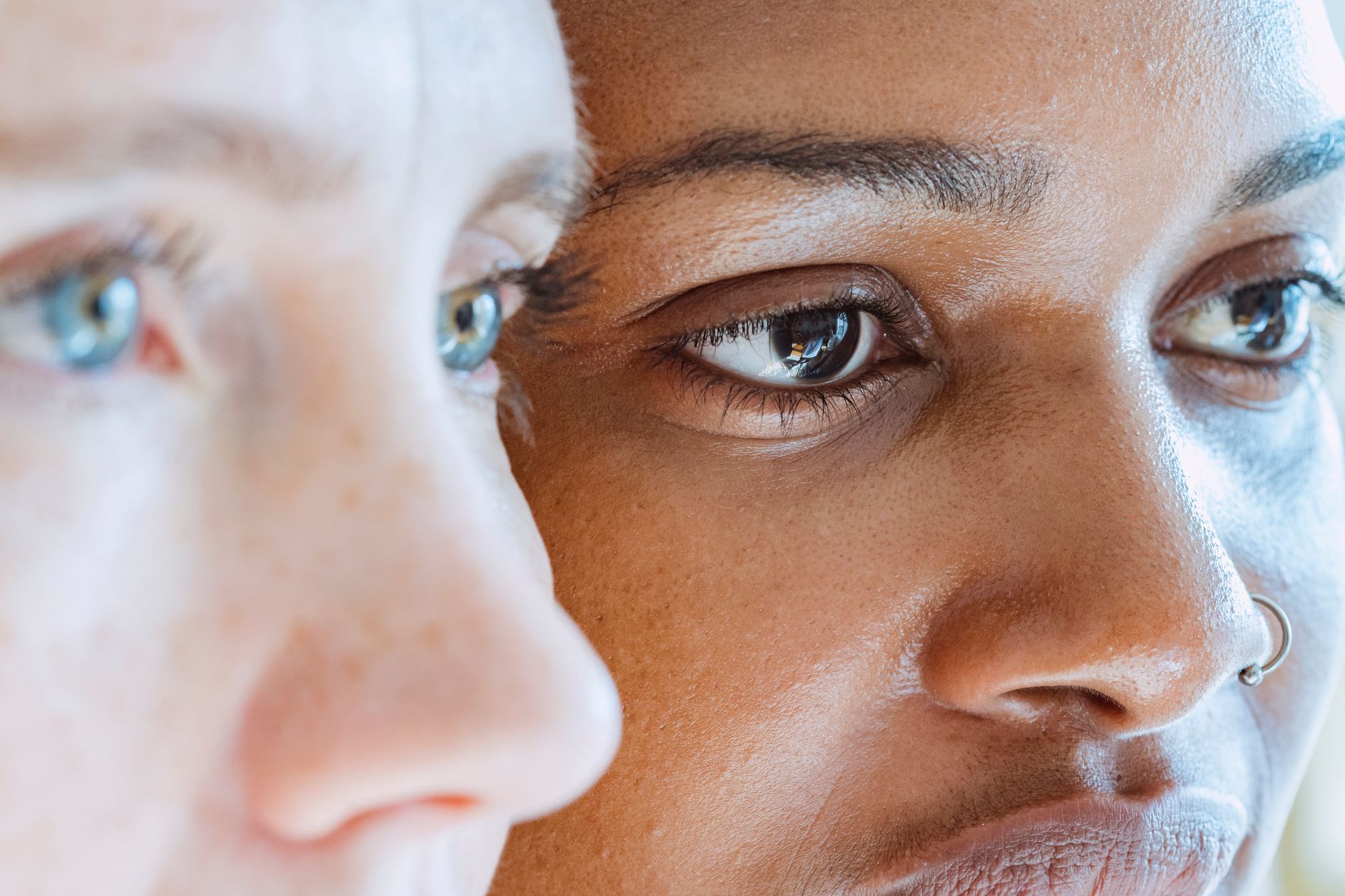
8 Best Colored Contacts for Warm Skin Tones (Ranked by a Beauty Brand)
Warm skin tones glow with honey, hazel, amber, and earthy green lenses — but the wrong color can wash you out instantly. This ranked list breaks down the eight best colored contact options for golden, olive, and bronze complexions, with same-day picks from Hapa Kristin so you can shop and wear today.
15 min read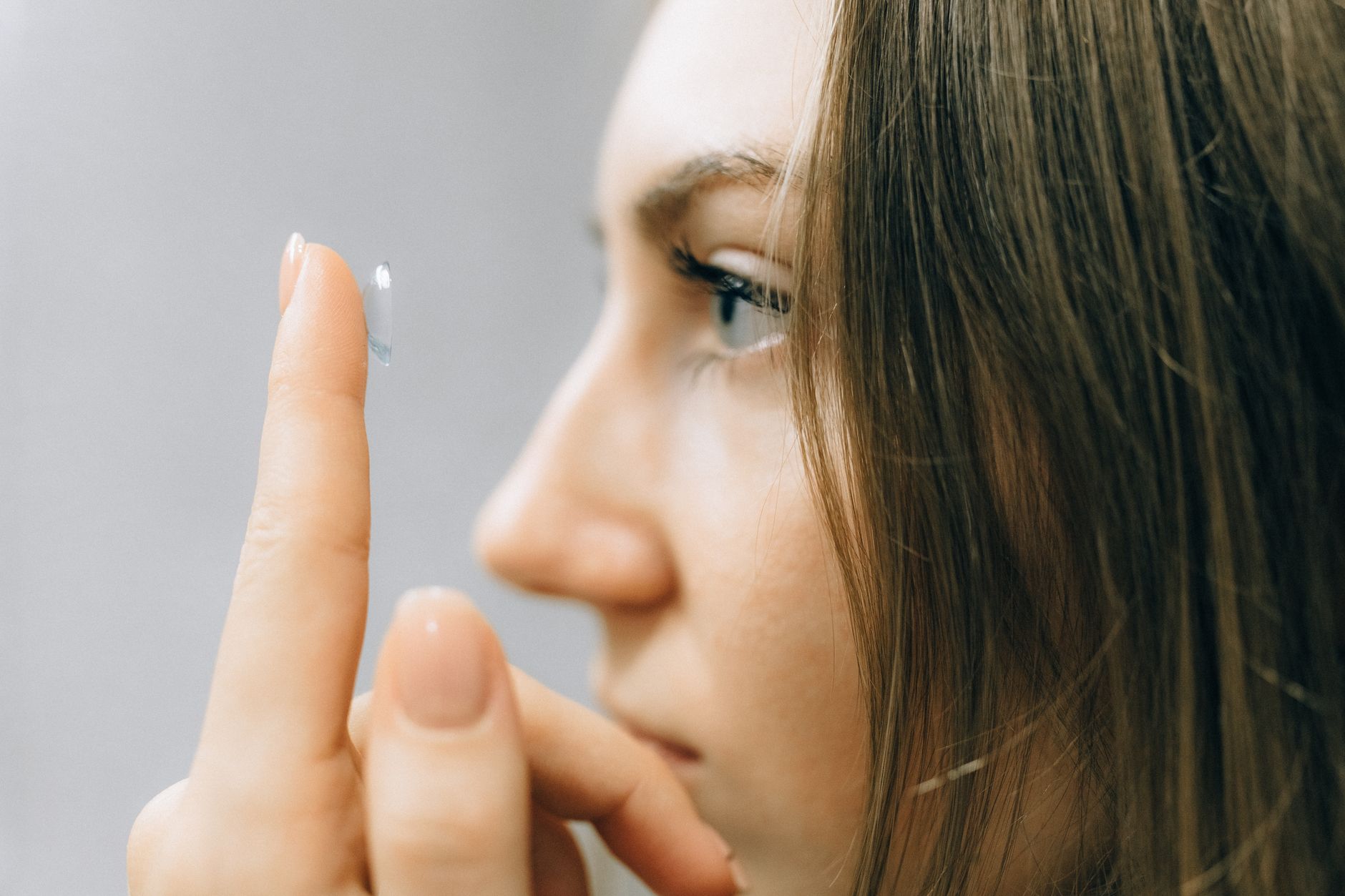
Everything You Need to Know About Colored Contact Safety, Comfort, and Care in 2026
Colored contacts can transform your entire look in seconds, but wearing them safely requires knowing the rules, the risks, and the right care routine. This guide covers everything from FDA regulations and prescription requirements to choosing a flattering color for your skin tone and keeping your lenses comfortable all day.
16 min read
Colored Contact Shades for Brown Eyes: How to Find a Natural Match
Brown eyes are the most common eye color in the world, which makes finding colored contacts that actually transform them a real challenge. This guide breaks down 12 shades proven to show up beautifully over dark irises, matched by skin tone and aesthetic, so you never waste money on a color that disappears on your eyes.
11 min read