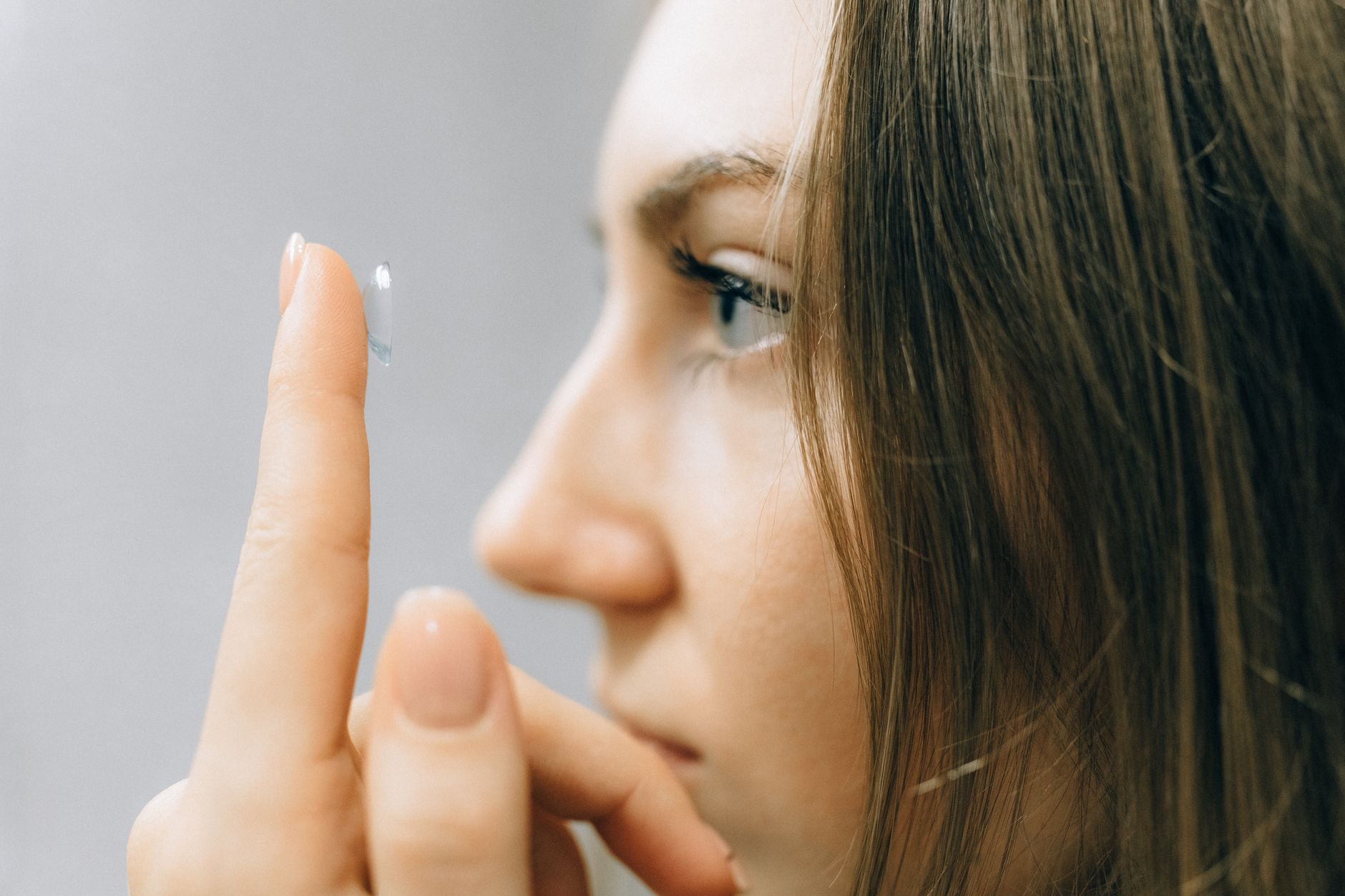
Colored Contact Before and After: Real Transformations on Brown, Dark Brown, and Hazel Eyes
Colored contacts can completely transform brown, dark brown, and hazel eyes. Match them to your skin tone and lens opacity for best results. On dark eyes, high-opacity lenses in honey, gray, or blue create the most visible shift. On hazel eyes, green and chestnut tones blend naturally with existing pigment. Expect a full look change in under 60 seconds.
Why Do Colored Contacts Look So Different on Brown vs. Hazel Eyes?
The science behind colored contact transformations starts with melanin. Brown eyes contain high eumelanin concentration in the iris stroma. This creates a dense, dark canvas. It absorbs and neutralizes lower-pigment lens tints. Hazel eyes hold a mixed distribution of melanin and lipochrome. This yellow-green pigment produces characteristic amber, green, and gold flecks. These flecks shift under different lighting. That mixed pigmentation makes hazel eyes a unique base for colored lenses. New lens color does not simply sit on top of the iris. It blends with existing tones. It creates something that looks like your natural eye color evolved. Brown is the most common eye color globally, present in up to 79 percent of the world's population (myvision.org), and in the United States, brown eyes account for about half of the population (myvision.org), while hazel eyes occur in around 15 percent (myvision.org). That gap means the majority of colored contact buyers face the same core challenge: getting visible color payoff on a dark base.
What Role Does Lens Opacity Play in the Before-and-After Effect?
Opacity is the single most important number on a colored lens specification sheet. Most brands bury it or skip it entirely. Here is what the ranges actually mean in practice. Enhancement lenses typically range from 20 to 40 percent opacity (my.clevelandclinic.org). They deposit a thin wash of tint over the iris. On light hazel or green eyes, this creates believable deepening or brightening. On dark brown eyes, translucent tints may look subtle or barely visible. They essentially disappear against the melanin-dense iris. This is not a product defect; it is physics. Natural-effect lenses in the 50 to 70 percent opacity band add visible color (worldpopulationreview.com). Some original iris texture shows through. This creates depth that prevents a flat, painted-on look. At Hapa Kristin, we label opacity clearly on every product listing because we want shoppers to predict their result before they buy, not discover it in the mirror.
How Does Base Eye Color Interact With Lens Pigment?
Think of your natural iris as a filter applied underneath the lens. Dark brown eyes act like a dark canvas. Warm-toned lenses such as honey or chestnut get partially absorbed into the brown base. This can enrich and deepen the lens color rather than display it at full saturation. Cool-toned lenses like gray or icy blue contrast sharply against the dark base, producing a high-drama editorial shift that photographs especially well. Hazel eyes work differently. The green and amber flecks already present in the iris can amplify a lens color that shares its undertone, so a green lens on hazel looks vividly real, or they can mute a lens that clashes with those undertones. This interaction is why hazel-eyed wearers often find that medium-opacity lenses deliver results that look more natural than full-coverage lenses. The blending happens automatically because the iris participates in the final color, rather than being overridden by it.
Before and After Transformations by Lens Color on Brown Eyes
Choosing a lens color for dark brown eyes is not about picking your favorite shade. It is about understanding what that shade will do. It must work over a melanin-rich iris. The effect is often strongest with high-pigment, full-opacity lenses on dark brown eyes. Even within that category, different colors produce dramatically different aesthetics. The global colored contact lens market reached $4.2 billion in 2025 and is expected to grow to $6.92 billion by 2030 at a compound annual growth rate of 10.4% (thebusinessresearchcompany.com), which tells you how many people worldwide are making this exact decision. Cosmetic applications dominate with a 48% share of the market (marketresearchfuture.com). The demand is real. The question is which color works for your specific eye.
Which Lens Colors Show the Most Dramatic Change on Dark Brown Eyes?
Gray and blue lenses deliver the highest contrast transformation on dark brown eyes. Gray sits opposite brown on the color temperature spectrum. When a high-opacity gray lens sits over a very dark iris, the before-and-after comparison is unmistakable. It shows even in casual phone photos. Blue produces a similarly bold result, particularly shades with a cool silver-blue or deep cobalt base. Both of these colors are popular in K-beauty and social content creation because they photograph cleanly under both warm studio lighting and natural daylight. The limbal ring printed into these lenses adds a defining border that enlarges the iris appearance and contributes to the dolly-eye effect that drives so much of the colored lens content creator (/colored-contact-looks-for-content-creators) market. One practical trade-off exists. Gray and blue read as a clear departure from brown. They are higher-commitment looks. They are extraordinary for a shoot or an event. Some wearers rotate them with warmer shades for everyday use. Hapa Kristin's gray series uses a layered pigment structure that prevents the flat, costume-contact look that turns people off high-opacity lenses.
Which Shades Look the Most Natural on Brown Eyes?
Hazel or honey-toned lenses tend to look especially good on medium to dark brown eyes because they work with the warm undertone already present in the iris rather than fighting it. Chestnut, caramel, and warm olive-brown lenses fall into the same category. On medium to deep skin tones, these warm neutrals read as a believable shift in natural eye color rather than a clearly cosmetic overlay. The key design detail that separates a natural-looking lens from an obviously fake one is the limbal ring: a realistic, slightly blurred outer border printed into the lens mimics how the iris edge naturally diffuses into the sclera. A hard, uniform outer ring signals artificial immediately. Natural-look lenses are ideal for everyday office wear, client meetings, or low-key content, while high-contrast shades suit editorial shoots, events, and bold makeup moments.
Before and After Transformations on Hazel Eyes: What Changes and What Stays the Same
Hazel is one of the rarer eye colors globally, occurring in around 5 percent of the world's population (myvision.org), but in the US, the prevalence climbs to around 15 percent (myvision.org). That higher rate among American consumers means a meaningful portion of Hapa Kristin shoppers are working with this nuanced, multi-tonal base. Hazel eyes already contain green, gold, and amber flecks, so colored lenses interact with existing pigment rather than overriding it. Green lenses amplify the existing green undertone for a vivid, believable result that looks like your eyes just became their most saturated version. Gray lenses on hazel produce a softer, more muted shift compared to the same lens on dark brown eyes. The transformation is real but subtle, which many wearers prefer for daily wear. Blue lenses on hazel can look unexpectedly natural if the lens carries a warm blue or teal undertone, because the amber in the hazel iris softens the lens color from cold to complex.
Do Colored Contacts Look More Natural on Hazel Eyes Than Brown Eyes?
Yes. Hazel eyes have more existing color variation that blends with lens pigment rather than being covered by it. This is a structural advantage. Enhancement lenses that disappear entirely on dark brown eyes can produce beautiful, layered results on hazel, amplifying the iris rather than replacing it. The transition between the lens edge and the natural iris is also softer on hazel, reducing the risk of an artificial-looking border. This flexibility makes hazel eyes the most forgiving base for colored lenses across the widest range of shades, from enhancement tints to full-coverage transformations.
How to Match a Colored Lens to Your Skin Tone for the Best Transformation
Skin undertone is as important as eye color. It predicts a flattering before-and-after result. Yet most brands ignore it completely. The interaction between lens color and skin undertone determines whether a transformation looks intentional and editorial or slightly off in ways that are hard to articulate. Cool undertones occur in fair to medium skin. Blue or purple veins at the wrist identify them. Silver jewelry looks more natural than gold. These undertones pair best with gray, blue, lavender, and icy violet lenses. These shades create harmonious contrast. Consider a content creator with fair skin and cool undertones wearing a silver-gray lens: the result reads as sophisticated and intentional rather than jarring. Warm undertones in medium to deep skin, associated with yellow-green veins and gold jewelry looking natural, are best complemented by honey, warm green, chestnut, and amber lenses. Neutral undertones have the most flexibility. The cosmetic contact lens market is valued at USD 1.5 billion in 2025 and is projected to grow at a CAGR of 7.1% through 2035 (gminsights.com), reflecting how central this purchase has become to global beauty routines.
What Is the Best Colored Contact Color for Warm vs. Cool Skin Undertones?
For warm undertones, the most flattering colored contact shades are honey, olive green, chestnut brown, amber, and warm hazel. These tones echo the golden and peachy notes already in the skin and create a cohesive, lived-in look rather than a sharp costume effect. For cool undertones, icy gray, silver-blue, lavender, and deep blue lenses create harmonious contrast with pink and beige skin tones. Neutral undertones are genuinely versatile: nearly any shade works, but warm grays and olive greens tend to be universally flattering because they split the difference between warm and cool. Our team at Hapa Kristin has organized its curation by skin tone category precisely to remove the guesswork at the point of purchase, because we believe the right lens for your skin tone should be as easy to find as the right foundation shade.
How Does Lens Design Affect the Final Look Beyond Just Color?
Color is only part of the transformation. Limbal ring thickness controls whether the eye reads as larger and more dramatic or natural and proportionate. A thick, defined limbal ring is a signature element of the K-beauty dolly-eye aesthetic. Radial starburst patterns print inside the lens. They create depth and dimension. This makes a colored contact look like a real iris rather than a tinted disc. Lens diameter is the other major lever: a standard 14.0mm lens stays close to the natural iris size, while an enlarged 14.5mm lens creates the wider, more open eye appearance associated with K-beauty editorial looks. Silicone hydrogel lenses lead the market with 52% share (marketresearchfuture.com), driven by their superior oxygen permeability, which matters for comfort during extended wear at a photo shoot or long event day.
Safety, Comfort, and the US Prescription Requirement for Colored Contacts
This section is where Hapa Kristin parts from the typical lens brand experience. Safety is not a footnote. In the United States, the FDA classifies all contact lenses as medical devices. This includes purely cosmetic, non-corrective lenses. A valid prescription from a licensed optometrist or ophthalmologist is legally required for every purchase. Buying lenses without a prescription is not a gray area. It is illegal. It poses documented risks of corneal abrasion and microbial infection. In severe cases it causes permanent vision damage. North America led the global colored contact market with over 50.08% share (marketresearchfuture.com), which makes US-specific regulatory compliance especially important for any brand operating here. Hapa Kristin requires prescription verification to ensure every customer's lenses are properly fitted and legally dispensed.
Do You Need a Prescription for Cosmetic Colored Contacts in the US?
Yes. No exceptions. The FDA's position is unambiguous: every contact lens is a medical device regardless of whether it corrects vision (fda.gov). A valid prescription must include your base curve measurement and lens diameter. It must also include your correction power. This may be zero for cosmetic use. These numbers ensure the lens sits correctly on your eye. They prevent restricting oxygen flow or causing mechanical irritation. An eye doctor can also advise on which lens diameter and opacity will look best for your specific corneal curvature and iris size, making the appointment genuinely useful for aesthetic reasons, not just a legal formality.
How Do You Wear Colored Contacts Safely and Comfortably All Day?
Comfort during all-day wear depends on lens material, water content, and proper fit. Follow the wear schedule on the lens packaging. Typically this is 8 to 10 hours for daily lenses. Always wash and dry hands thoroughly before insertion and removal. Use only lens-compatible rewetting drops if your eyes feel dry during extended wear. Never share lenses with another person. Never sleep in lenses not specifically rated for overnight use. Never wear lenses in water, including showers, pools, or the ocean. These are not optional precautions. They make the difference. You can have a comfortable, beautiful day. Or you can have a painful corneal infection. The FDA's guidelines on cosmetic lens safety provide the full clinical framework (fda.gov).
Frequently Asked Questions
Will colored contacts actually show up on very dark brown eyes?
Which colored contact lens color looks most natural on brown skin tones?
How long does the color transformation from colored contacts last in a day?
Can I wear colored contacts for a photo shoot or event if I have never worn contacts before?
What is the difference between enhancement lenses and full-coverage colored lenses?
Do I need a prescription to buy colored contacts in the US even if they are just for cosmetic use?
How do I know which lens diameter will give me the K-beauty dolly-eye look vs. a natural look?
Are colored contacts safe for daily wear, and how do I keep my eyes comfortable?
What colors look most natural on dark brown eyes?
Can colored contacts fully cover hazel eyes?
Which lens types give the best before-and-after effect?
How do brown contacts compare on light vs. dark eyes?
Can I try colored contacts virtually before buying?
Sources & References
- FDA Contact Lens Safety | U.S. Food and Drug Administration (opens in a new tab)[gov]
- Cosmetic Contact Lens Market Size Report, 2026–2035 | GMInsights (opens in a new tab)[industry]
- Coloured Contact Lenses Market Size, Share, Trends, 2035 | Market Research Future (opens in a new tab)[industry]
- Coloured Contact Lenses Market Growth Analysis Report 2026 | The Business Research Company (opens in a new tab)[industry]
- Brown Eyes vs. Hazel Eyes: What Is the Difference? | MyVision.org (opens in a new tab)[org]
About the Author
Hapa Kristin Same-day Colored Contacts
Hapa Kristin offers same-day colored contacts designed for every skin tone and style. Their curated collection lets beauty-conscious women change their eye color as easily as their makeup.
Learn more at hapakristin.us → (opens in a new tab)Related Posts
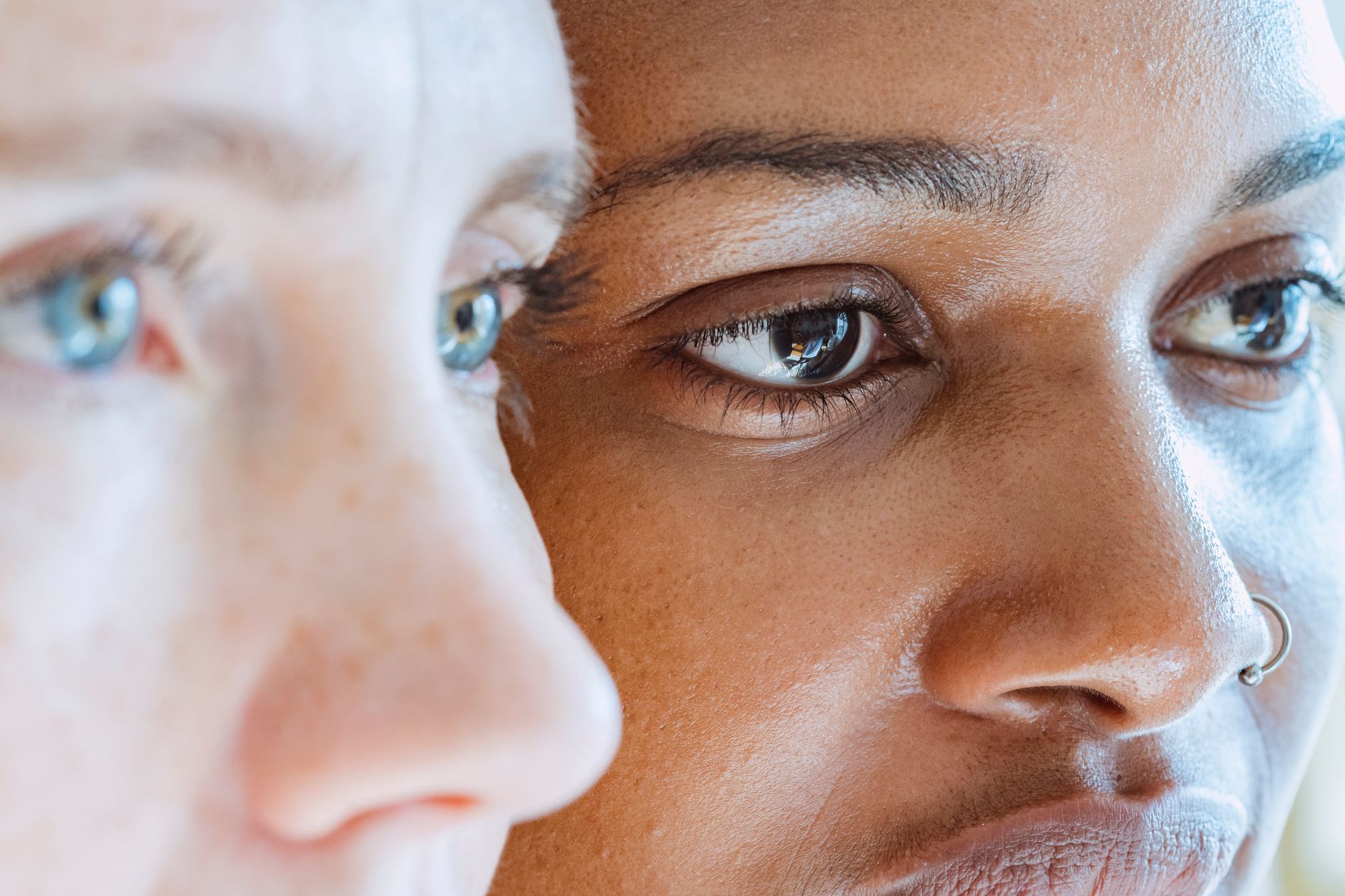
8 Best Colored Contacts for Warm Skin Tones (Ranked by a Beauty Brand)
Warm skin tones glow with honey, hazel, amber, and earthy green lenses — but the wrong color can wash you out instantly. This ranked list breaks down the eight best colored contact options for golden, olive, and bronze complexions, with same-day picks from Hapa Kristin so you can shop and wear today.
15 min read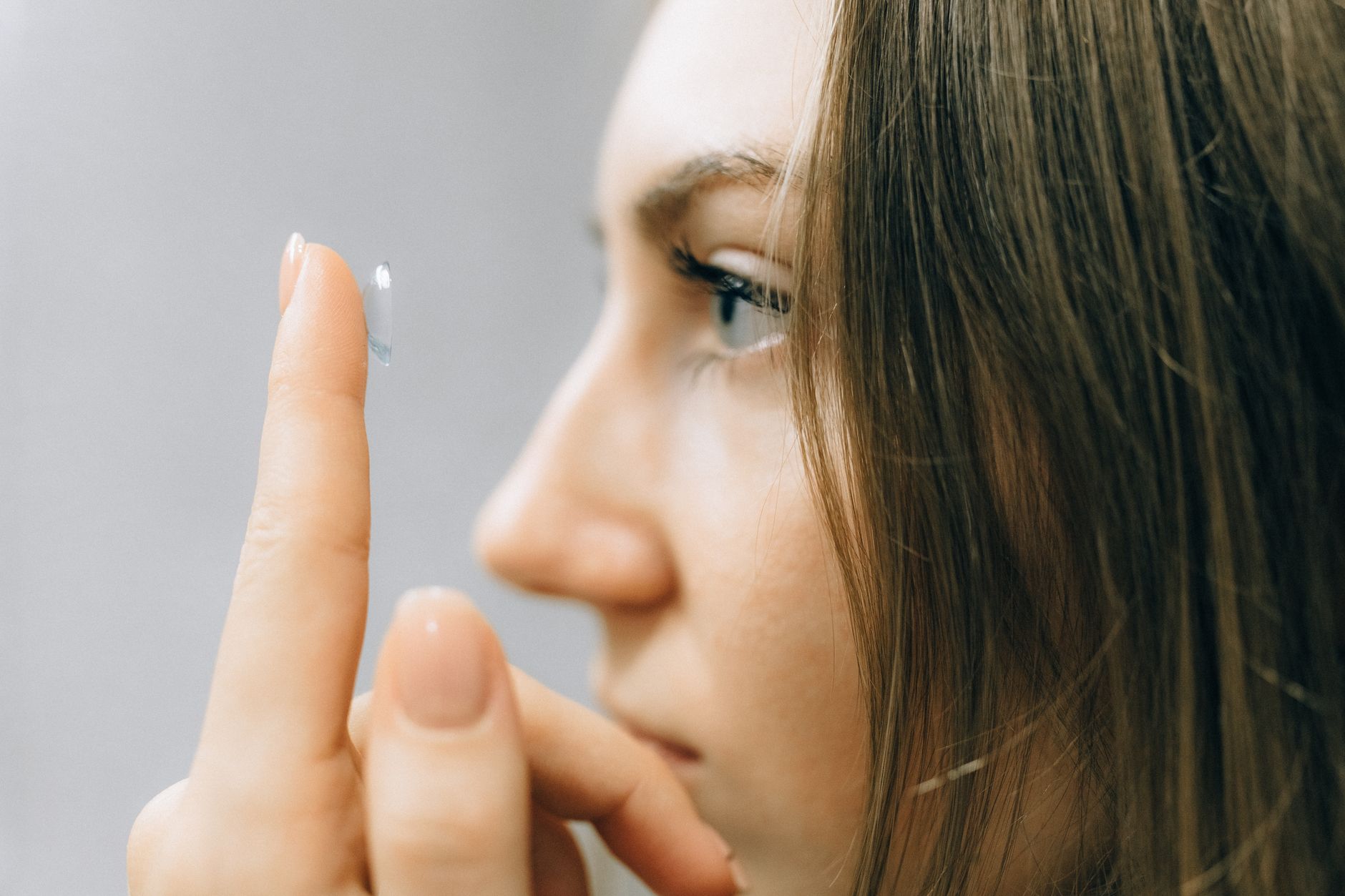
Everything You Need to Know About Colored Contact Safety, Comfort, and Care in 2026
Colored contacts can transform your entire look in seconds, but wearing them safely requires knowing the rules, the risks, and the right care routine. This guide covers everything from FDA regulations and prescription requirements to choosing a flattering color for your skin tone and keeping your lenses comfortable all day.
16 min read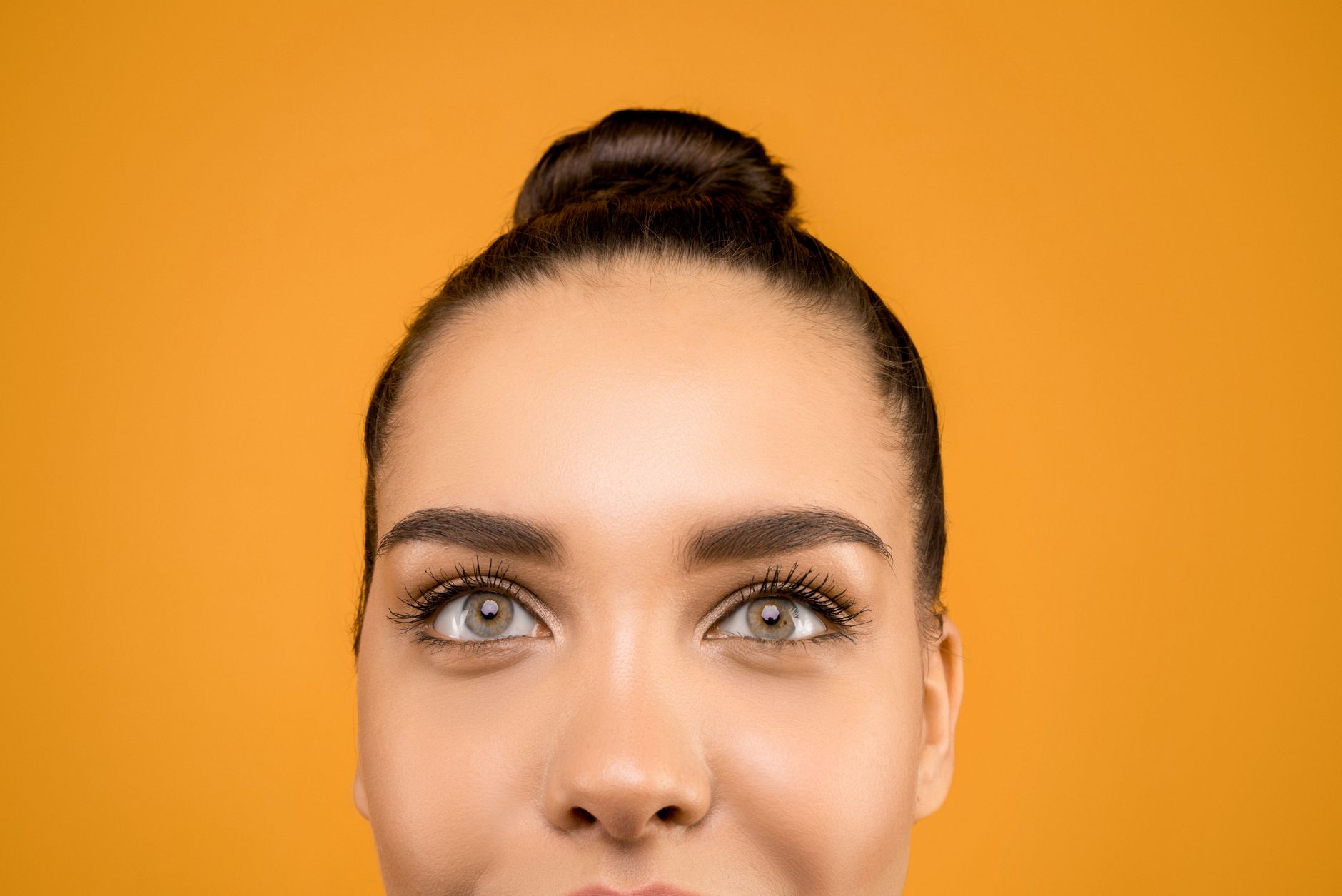
Colored Contact Shades for Brown Eyes: How to Find a Natural Match
Brown eyes are the most common eye color in the world, which makes finding colored contacts that actually transform them a real challenge. This guide breaks down 12 shades proven to show up beautifully over dark irises, matched by skin tone and aesthetic, so you never waste money on a color that disappears on your eyes.
11 min read