
The K-Beauty Colored Contact Trend in 2026: Circle Lenses, Soft Aesthetics, and What's New
K-beauty colored contacts in 2026 center on circle lenses with limbal rings, soft gradient tints, and muted earth tones that mimic a naturally luminous glass eye look. Popular shades include warm hazel, dove gray, and milky brown. A valid U.S. eye doctor's prescription is legally required even for non-corrective lenses. The global cosmetic contact lens market reached USD 1.5 billion in 2025 (gminsights.com).
What Are Circle Lenses and Why Are They Central to K-Beauty Eye Looks?
Circle lenses are a specific category of cosmetic contact lenses engineered with a dark, graduated limbal ring around the outer edge of the tinted zone. That ring enlarges the apparent iris diameter, producing what beauty communities call the doe-eye or glass-eye effect. Originally popularized in South Korea and Japan, circle lenses crossed into mainstream Western beauty through TikTok and Instagram Reels in the early 2020s, and by 2026 they are genuinely mainstream. The global cosmetic contact lens market is on a steep trajectory, projected to grow from USD 1.6 billion in 2026 to USD 2.9 billion in 2035 at a CAGR of 7.1% (gminsights.com). The science behind the appeal is straightforward: the limbal ring mimics the natural depth marker found in youthful, healthy eyes. The result reads as both dramatic and believable, which is exactly why circle lenses have become the foundational accessory of the K-beauty eye look. Most K-beauty circle lenses range from 14.0 mm to 14.5 mm in diameter, compared to standard corrective lenses at roughly 13.8 to 14.0 mm. At Hapa Kristin Same-day Colored Contacts, we engineer limbal rings in graduated, multi-tone layers rather than a flat dark line, which is what prevents that telltale sticker-on-eye appearance newer wearers often worry about. We recommend this multi-layered approach because it creates depth and dimension that mimics how light naturally interacts with a real iris, making the enlargement effect feel organic rather than theatrical.
How Do Circle Lenses Differ from Standard Colored Contacts?
Standard colored contacts change hue. Circle lenses change both hue and perceived iris diameter. That distinction matters more than it sounds. A standard colored lens swaps your natural brown for, say, a warm hazel without altering how large your iris appears. A circle lens does both simultaneously by extending the tinted zone to or slightly past the natural limbus. The added size creates a softer, more open eye appearance without requiring dramatic eye makeup to compensate. The trade-off is that diameter and base curve must still match your individual eye measurements with precision. An eye exam is essential even for purely cosmetic circle lenses, both because U.S. law requires it and because a lens with the wrong base curve will move excessively on your eye, blur your vision, and cause real discomfort within hours.
Which Circle Lens Sizes Are Trending in 2026?
14.2 mm is the sweet spot for 2026. It delivers noticeable enlargement without pushing into territory that looks cartoonish on camera or in person. For editorial content and photo shoots where camera compression reduces the visual impact, 14.5 mm lenses are the preferred choice among content creators who need the effect to read clearly on screen. On the other end of the spectrum, 14.0 mm micro-enlargement lenses are gaining serious traction for everyday professional wear, where a subtle lift in eye openness reads as polished rather than costumed. Regardless of which diameter catches your eye, always confirm base curve compatibility with a licensed eye care professional before purchasing.
The Soft Aesthetic Palette: Which Colors Define K-Beauty Contacts in 2026?
The dominant color story in K-beauty colored contacts has shifted decisively away from vivid, saturated hues toward muted, natural-leaning tones with a dewy finish. Warm hazel, golden brown, dusty rose-brown, dove gray, and sage-tinged olive are the breakout shades of 2026. Soft blues, greens, and light pastels have also carved out a strong presence, particularly among wearers who want a color change that feels editorial without looking obviously artificial. This shift reflects a broader movement in beauty where natural enhancement matters more than obvious transformation. The goal is not to look like you are wearing a costume; it is to look like you simply have the most luminous, multi-dimensional irises anyone has ever seen. The glass eye or hyper-real iris aesthetic, which prioritizes multi-layered dot-printing that replicates natural stroma texture, is the technical execution behind this look. Brands that invest in that print technology produce lenses where the color shifts with light the way a real iris does, and that detail is what separates a lens that photographs beautifully from one that photographs flat. Across the U.S., the color cosmetics market was valued at USD 23.37 billion in 2025 (marketdataforecast.com), and eye-focused beauty continues to be one of its fastest-growing subcategories.
Muted circle lenses and pastel-leaning shades deserve particular attention because they represent a genuine design evolution, not just a trend cycle. Milky or blanc lenses, which layer a sheer wash of color over your natural iris rather than fully replacing it, are trending for a barely-there tint that works beautifully for everyday wear. Soft hazel and light brown are the definitive choice for the clean girl Korean makeup look, complementing the dewy, low-contrast aesthetic that defines it. For polished, cool-toned styles, gray-blue or muted green lenses hit exactly the right note without veering into costume territory. Seasonal color stories are expanding beyond the classic brown-and-gray axis too, with rose-tinted nudes, sage greens, and dusty lilac entering the lineup for spring and summer collections.
How Do You Choose the Right Color for Your Skin Tone?
Skin tone and undertone are the two variables that determine whether a lens color looks intentional or mismatched. Warm undertones, the yellow, peachy, and golden complexions, pair best with hazel, amber, honey brown, and warm olive shades. Cool undertones, the pink, red, and bluish complexions, complement dove gray, icy blue, cool-toned brown, and deep violet. Neutral undertones have the most flexibility and can layer warm and cool tones depending on the makeup direction. Korean personal color analysis frameworks, organized around Spring Warm, Summer Cool, Autumn Warm, and Winter Cool seasonal categories, offer a structured guide to lens selection that goes well beyond generic skin tone advice. For darker natural eye colors, look specifically for lenses with an opaque base layer so the chosen color reads true on the eye rather than being absorbed by the natural pigment beneath it. Fair to medium skin tones can pull off lighter grays and blues with confidence; deeper skin tones often look stunning in rich hazel or warm amber, which create warmth and dimension against deeper complexions.
| Undertone | Best Lens Shades | Shades to Approach Carefully |
|---|---|---|
| Warm (yellow, peachy, golden) | Hazel, amber, honey brown, warm olive | Icy blue, cool gray, violet |
| Cool (pink, red, bluish) | Dove gray, icy blue, cool brown, deep violet | Warm amber, golden hazel |
| Neutral | Any shade depending on makeup look | Very few limitations |
| Deep/Dark natural iris | Rich hazel, warm amber, opaque brown | Sheer or translucent lenses |
Safety, Prescription Requirements, and What First-Time Wearers Need to Know
This section is where most beauty blogs go silent, and that silence is a disservice to wearers. In the United States, all contact lenses, including purely cosmetic, non-corrective ones, are classified as medical devices by the FDA under the Federal Food, Drug, and Cosmetic Act (fda.gov). A valid prescription from a licensed eye care professional is legally required before purchase. No exceptions. This is not a technicality; it is a consumer protection mechanism. An eye exam establishes your base curve and diameter measurements, and those numbers determine proper lens fit regardless of whether you need vision correction. Ill-fitting lenses can cause corneal abrasions, oxygen deprivation, and in serious cases, permanent vision damage. Reputable U.S.-based retailers require prescription verification before completing a purchase. That requirement is a trust signal, not a barrier. If a seller does not ask for your prescription, that is a red flag, not a convenience. Approximately 71% of teens and young adults use TikTok regularly (marketdataforecast.com), where colored contact tutorials generate massive engagement, and the risk is that aesthetics-first content rarely leads with safety information. TikTok Shop health and beauty sales grew 84% year over year (clouted.com), which means more lenses are moving through social commerce channels where prescription verification is inconsistently enforced.
Here is the real-world scenario worth spelling out. Imagine you are a 22-year-old content creator preparing for a shoot this weekend. You see a pair of dove gray circle lenses on TikTok Shop for twelve dollars with next-day delivery and no prescription required. The price is appealing. The speed is appealing. But those lenses are being sold outside U.S. regulatory compliance, and the base curve listed, if it is listed at all, may not match your eyes. Wearing them for an eight-hour shoot could result in corneal scratching that sidelines you for weeks. The safer path is spending twenty minutes with an eye doctor, confirming your base curve, and purchasing from a verified retailer. In our experience, customers who take this extra step report significantly better comfort and confidence, knowing their lenses are fitted correctly and sourced through compliant channels. The cost difference is minor compared to a corneal injury.
How Do You Wear Colored Contacts Safely for All-Day Comfort?
Safe daily wear comes down to consistent habits. Follow the replacement schedule on the lens packaging without extension. Wash hands with soap and water before handling lenses, then dry with a lint-free towel. Use only fresh multipurpose solution or hydrogen-peroxide solution recommended by your eye doctor, never tap water or saliva. Most K-beauty lenses are rated for 8-10 hours of daily wear; remove before sleeping unless the packaging explicitly states extended wear approval. Apply lenses before eye makeup and remove them before cleansing to prevent cosmetic contamination. Remove lenses immediately if you experience redness, pain, blurred vision, or unusual discharge. Those symptoms are not minor inconveniences. They require attention.
How to Style K-Beauty Colored Contacts Across Different Aesthetics in 2026
K-beauty lenses function as a standalone statement or a layered element inside a full beauty look. That versatility is the core of their appeal. The styling approach depends entirely on which aesthetic direction you are working in, and 2026 offers more clearly defined aesthetic lanes than any previous year. Soft-girl and clean-girl aesthetics pair best with milky brown or warm hazel lenses alongside minimal eye makeup, letting the lens do the heavy lifting. Y2K and retro-futurist looks use icy gray or pale blue lenses with graphic liner and bold lashes to create the high-contrast drama those aesthetics require. Glass-skin and no-makeup makeup looks lean into 14.2 mm dove gray or nude-brown lenses that add perceptible depth without any visible effort. For event-specific scenarios, the range expands considerably. Festival-goers and cosplay enthusiasts have driven demand for dramatic cat-eye silhouette lenses, anime-style lenses with enlarged pupils and vivid color saturation, and UV-reactive lenses that shift under blacklight. These theatrical options serve a different purpose than everyday wear lenses but belong in the same rotation for a well-rounded collection. Content creators often keep 3-4 shades on hand: one neutral everyday lens, one statement color, and one experimental editorial shade for shoots that call for something unexpected.
What Eye Makeup Combinations Work Best with Circle Lenses?
Neutral lenses let bold lashes or graphic liner take center stage without visual competition. Warm hazel lenses layer beautifully with terracotta, bronze, and copper eyeshadows that echo the lens tones and create a cohesive warmth across the whole eye look. Dove gray lenses pop against cool mauve, dusty rose, and lavender shadow. Skip black liner on the waterline when wearing enlarging circle lenses; it visually counteracts the enlargement effect by closing the eye rather than opening it. A touch of pearlescent highlight on the inner corner amplifies the glassy, luminous finish that K-beauty lenses are designed to create. The effect is subtle and high-impact at the same time.
Where to Buy K-Beauty Colored Contacts in the US: What to Look for in a Brand
The single most important trust factor when choosing where to buy is whether the retailer requires a valid prescription before purchase. Required, not optional. That one criterion filters out the majority of non-compliant sellers immediately. Beyond compliance, look for brands that carry FDA-cleared or CE-certified lenses from licensed manufacturers, publish ingredient and material transparency, and offer a product lineup that reflects genuine trend awareness rather than a warehouse clearance catalog. North America already holds 36.9% of the global cosmetic contact lens market (gminsights.com), which means U.S. consumers have real leverage to demand better standards from the brands they support. Same-day in-store availability is a meaningful differentiator for anyone who wants a new look for this weekend's event or shoot, not for an order that arrives in two weeks after a long overseas shipping cycle. Avoid unverified marketplace sellers on Amazon or overseas-only sites that skip prescription verification or provide no ingredient transparency. The U.S. mass beauty market grew +7% to $18.1 billion in Q1 2026 alone (circana.com), signaling that consumers are spending more, which makes choosing compliant, quality-verified brands even more worthwhile.
Hapa Kristin is designed specifically for the U.S. market, combining Korean-informed aesthetics with U.S. regulatory compliance and physical retail access. Our team has found that this combination matters most to buyers who want trend-forward color options without sacrificing safety standards or waiting weeks for international shipping. That combination fills a real gap. The Korean aesthetic sensibility informs color selection, limbal ring design, and the personal color guidance framework. The physical U.S. retail presence delivers same-day availability that online-only brands cannot match. The regulatory compliance means every purchase is backed by the same legal standards that govern corrective contact lenses. For buyers who want the look immediately and want to buy with confidence under U.S. standards, that combination is genuinely differentiated.
Frequently Asked Questions
Do I need a prescription to buy K-beauty colored contacts in the United States, even if they are non-corrective?
How long can you safely wear K-beauty circle lenses in a single day?
What circle lens diameter looks most natural for everyday wear in 2026?
Which K-beauty colored contact shades work best for dark brown eyes?
Are K-beauty colored contacts safe for first-time contact lens wearers?
What is the difference between circle lenses and regular colored contacts?
Can I wear colored contacts if I already wear glasses or corrective contacts?
How do I match my colored contacts to my personal color season?
How do I know if a colored contact lens brand is legitimate and FDA-compliant in the US?
What are the most popular K-beauty contact lens colors for 2026?
What are the top 2026 K-beauty circle lens colors?
How do I choose soft aesthetic lenses for my eye shape?
Are colored contacts safe for everyday wear in 2026?
What's new in 2026 lens designs compared with 2025?
Which brands are leading the K-beauty lens trend?
Sources & References
- FDA Contact Lens Regulatory Information (opens in a new tab)[gov]
- Contact Lenses Market Report 2026 (opens in a new tab)[industry]
- 15 Beauty Brand TikTok Statistics (opens in a new tab)[industry]
- Cosmetic Contact Lens Market Size Report, 2026-2035 (opens in a new tab)[industry]
- US Beauty Market Q1 2026: Steady Growth Driven by Value & Treatment Demand (opens in a new tab)[industry]
- U.S. Color Cosmetics Market Size, Share & Trends, 2034 (opens in a new tab)[industry]
- Cosmetic Contact Lenses Market Size, Share, Trends, 2035 (opens in a new tab)[industry]
About the Author
Hapa Kristin Same-day Colored Contacts
Hapa Kristin offers same-day colored contacts designed for every skin tone and style. Their curated collection lets beauty-conscious women change their eye color as easily as their makeup.
Learn more at hapakristin.us → (opens in a new tab)Related Posts
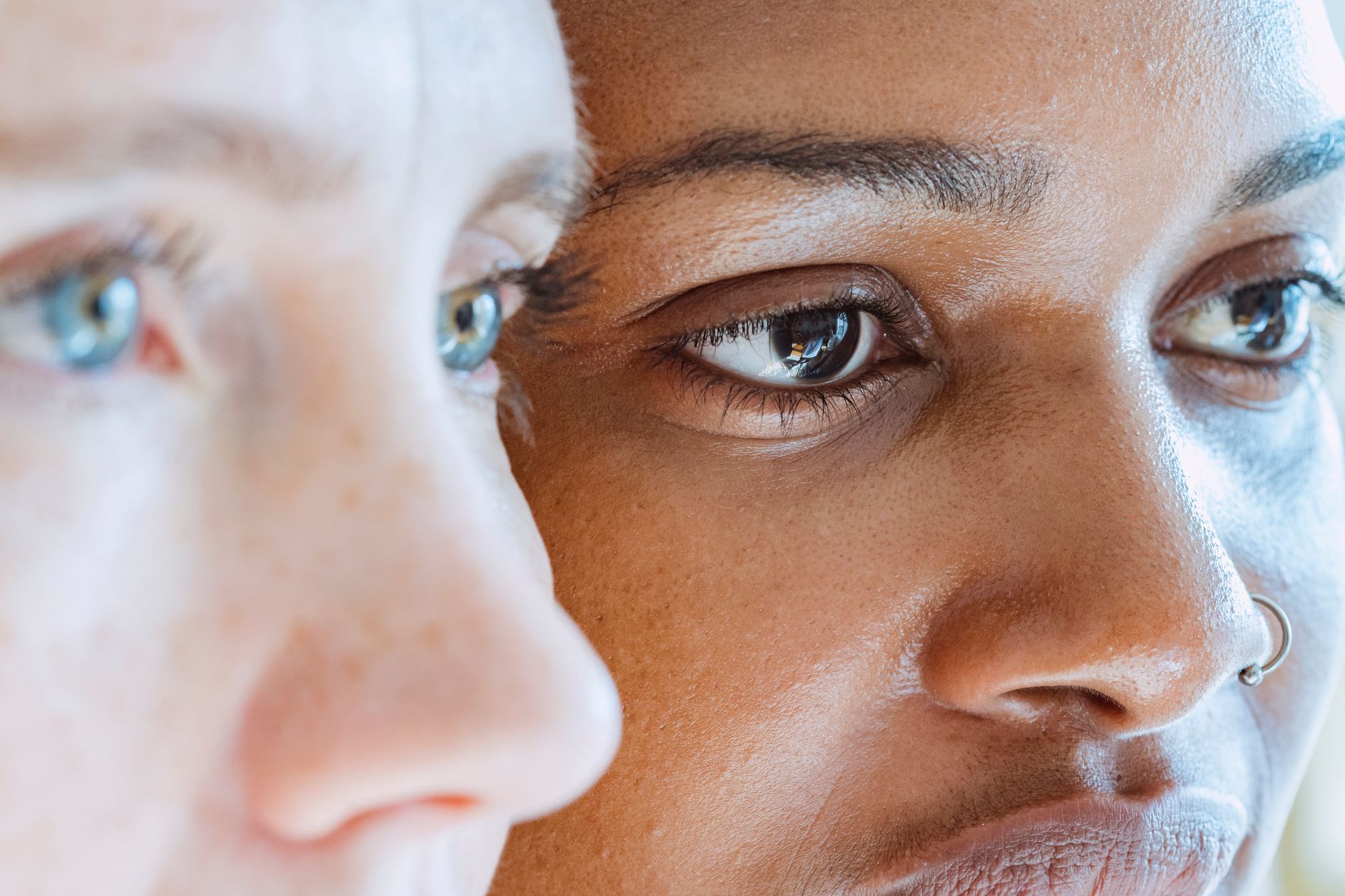
8 Best Colored Contacts for Warm Skin Tones (Ranked by a Beauty Brand)
Warm skin tones glow with honey, hazel, amber, and earthy green lenses — but the wrong color can wash you out instantly. This ranked list breaks down the eight best colored contact options for golden, olive, and bronze complexions, with same-day picks from Hapa Kristin so you can shop and wear today.
15 min read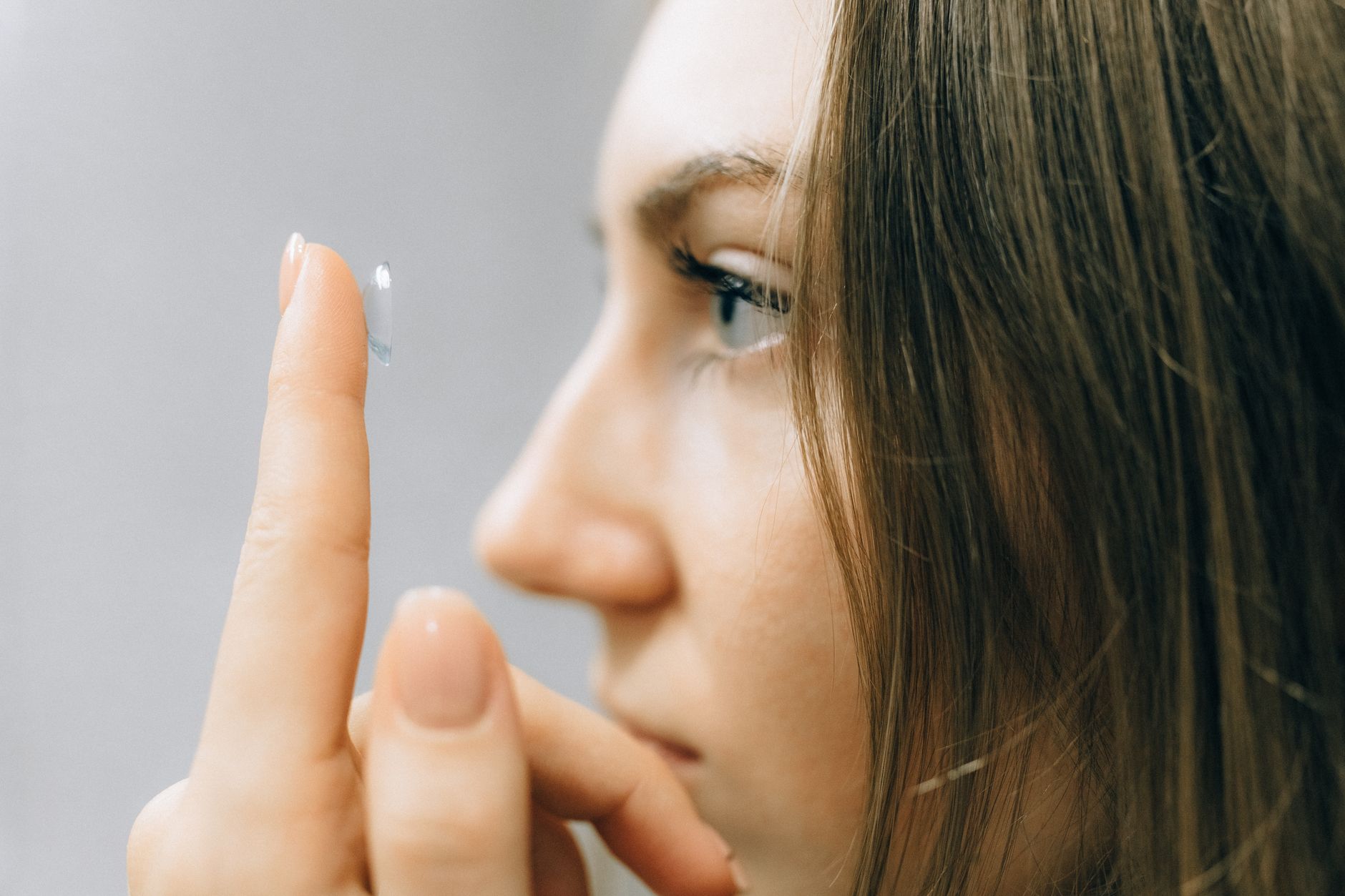
Everything You Need to Know About Colored Contact Safety, Comfort, and Care in 2026
Colored contacts can transform your entire look in seconds, but wearing them safely requires knowing the rules, the risks, and the right care routine. This guide covers everything from FDA regulations and prescription requirements to choosing a flattering color for your skin tone and keeping your lenses comfortable all day.
16 min read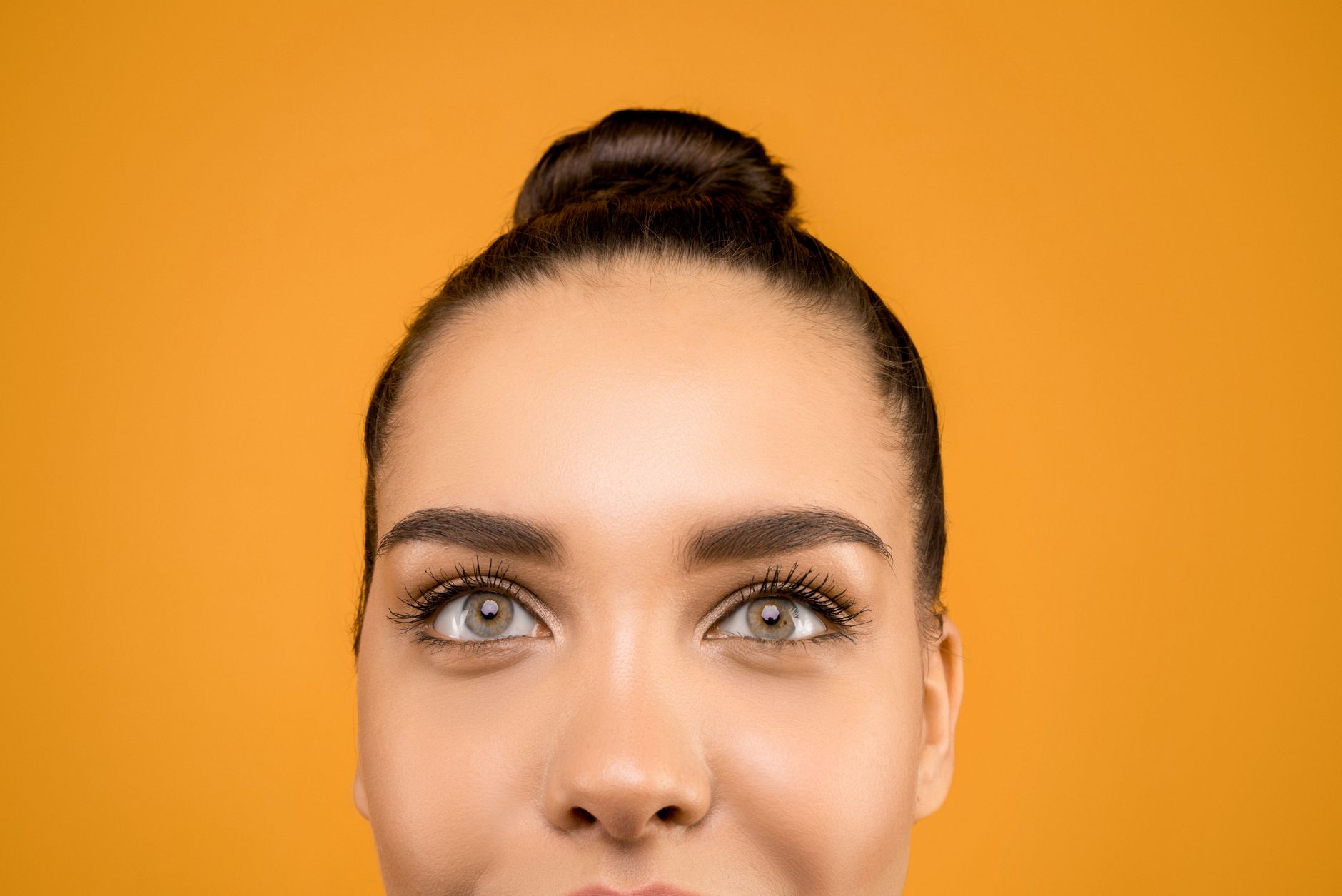
Colored Contact Shades for Brown Eyes: How to Find a Natural Match
Brown eyes are the most common eye color in the world, which makes finding colored contacts that actually transform them a real challenge. This guide breaks down 12 shades proven to show up beautifully over dark irises, matched by skin tone and aesthetic, so you never waste money on a color that disappears on your eyes.
11 min read