The Complete Guide to Buying Colored Contacts In Store: Same-Day, Try-On, and Walk-Out Happy
To buy colored contacts in store, you need a valid prescription from a licensed eye doctor, even for non-corrective lenses. Bring that prescription, your base curve measurement, and your current eye color as a reference. Most retail locations can fit you same-day.
Why You Need a Prescription to Buy Colored Contacts In Store
All contact lenses sold in the United States, including purely cosmetic ones with zero vision correction, are classified as medical devices by the FDA. That classification is not a technicality. It means every retailer who sells colored contacts legally must require a valid prescription before handing over a single pair. The FDA's own registration database reflects 992,907 unique, active product listings across regulated cosmetic categories as of January 2026 (foley.com), which gives a sense of just how seriously the agency takes product-level accountability. Buying from any seller who skips the prescription check is a legal and medical red flag. The prescription captures more than your vision correction value. It documents your base curve, diameter, and the lens brand or type your eye doctor approves for your cornea. Without those measurements, a lens can sit too tight or too flat, which creates friction, reduces oxygen flow, and opens the door to infections. Reputable in-store retailers will always ask for your prescription at the point of purchase. That requirement is your first quality signal.
Across the US, improper contact lens use leads to nearly a million doctor visits each year (winkeyecarenwi.com). A significant portion of those visits trace back to lenses worn without proper fitting or from unverified sources. A contact lens exam, which is separate from a standard vision exam, typically costs $151 to $158 on average depending on your region (talktomira.com), and 67 percent of consumers with a recent eye exam paid less than $50 out-of-pocket when using insurance (thevisioncouncil.org). Your prescription stays valid for one to two years depending on your state, so one exam unlocks multiple future purchases across every retail channel.
What Information Is on a Contact Lens Prescription?
A contact lens prescription is not interchangeable with your eyeglass prescription. They serve different purposes and contain different data points. Your contact lens prescription documents the base curve (BC), which is the curvature measurement that determines how the lens sits on your cornea, typically ranging from 8.3 to 9.0. It also includes the diameter (DIA), commonly 14.0 mm to 14.5 mm for cosmetic lenses, and your power or sphere value (PWR/SPH), listed as 0.00 if you are buying plano lenses for purely aesthetic use. Your prescribing doctor may also specify an approved brand or lens type. Handing a staff member your eyeglass prescription when they ask for your contact lens prescription is one of the most common first-time buyer mistakes, and it will stop the sale.
How to Get a Same-Day Prescription Before You Shop
Many optical centers inside retail stores offer walk-in contact lens fittings with same-day turnaround. If you are visiting a specialty colored contacts retailer that does not have an in-house optometrist, call ahead and ask whether there is a partnering optical center nearby. Bring a short list of the lens colors you are interested in to your appointment, so the doctor can confirm compatibility with your cornea measurements. First-time lens wearers should prioritize an in-person fitting over a telehealth consultation. Your first insertion and removal lesson matters. Getting it right in a clinical setting, with someone watching, builds confidence before you walk into any store.
How to Choose the Right Colored Contact Color for Your Skin Tone and Eye Color
Color selection is where the real fun starts, and where most first-time buyers go wrong. Your natural eye color, skin undertone, and hair color all interact to determine which lens shades look flattering and natural versus obviously artificial. The global colored contact lens market hit $4.2 billion in 2025 and is growing at a 10.9% CAGR (thebusinessresearchcompany.com), driven largely by consumers aged 18-24, who represent 43% of buyers (marketresearchfuture.com). That demographic is not buying basic clear lenses. They are building rotating collections of colors tied to their aesthetics, outfits, and content calendars. Cosmetic lenses hold 48% of the overall market (marketresearchfuture.com), confirming that beauty-driven purchasing now outpaces clinical demand.
The practical rule is simple: warm undertones (golden, peachy, olive skin) tend to pop with honey, hazel, warm brown, and amber lenses. Cool undertones (pink, bluish, or fair skin) usually look striking with grey, blue, violet, and cool green. Neutral undertones have the most flexibility and can wear earthy greens, warm hazels, or steel blues with equal success. Think of building a lens rotation the way you build a lipstick collection: a neutral everyday shade, a bold statement color, and one seasonal or trend-driven option. A grey or light brown lens handles the daily commute. At Hapa Kristin Same-day Colored Contacts, we recommend starting with a neutral shade that complements your natural eye color, since these everyday lenses become the foundation of your rotating collection. A vivid green or violet goes out on Friday night. For example, imagine a TikTok beauty creator in Los Angeles with warm undertones and dark brown eyes who wants to film a trending eye-makeup reel on Thursday evening but does not have the right lens. She walks into a beauty-first retailer that morning, tries on an opaque emerald with a defined limbal ring in-store, and walks out with the lens in her eye ready to shoot by afternoon, capturing content that would have taken a week to produce if she had ordered online. At Hapa Kristin, we organize our collections around exactly this logic, grouping shades by undertone, aesthetic, and the kind of look they create, so you are never staring at 200 products wondering where to start.
Which Lens Colors Work Best on Dark Brown Eyes?
Dark brown eyes require lenses with fully opaque pigmentation to produce a visible color shift. This is a practical fact, not a marketing upsell. Semi-transparent tints or enhancement lenses work beautifully on light eyes but disappear entirely on dark irises. For dark eyes, look for two-tone or three-tone designs that include a defined limbal ring, which is the dark outer edge that mimics the natural boundary of the iris. That limbal ring effect does two things: it helps the colored portion blend into your natural iris without a harsh edge, and it creates the illusion of larger, more defined eyes that K-beauty lens design is specifically engineered to deliver. In our experience, customers with dark brown eyes see the most dramatic transformation with opaque designs that include a defined limbal ring, which is why we prioritize this feature across our collection for deeper eye colors.
In-store shopping gives you a real advantage here. Under store lighting, you can actually hold up different opacity options and see how the color reads against your own eye before committing. Ask staff to show you grey, hazel, and subtle brown options under direct lighting, because shades that photograph beautifully sometimes appear harsh or flat in natural light, and the reverse is equally true. A color that looks muted on a product card can become your most complimented lens once it is in your eye. Seeing is believing. This comparison is impossible online.
Building a Lens Rotation Like a Makeup Collection
Content creators who are serious about their eye looks typically rotate through three to five colors, treating lenses the way they treat highlighters and blush palettes. A concrete example: a beauty creator with medium warm skin and dark brown eyes might anchor her rotation with a honey hazel for daily content, add a cool grey for her editorial shoots, and pull out a vivid emerald for special events and trend-driven reels. Each lens tells a different story. Wearing a lens that matches your color palette creates visual cohesion across your feed. It is a small detail that dramatically elevates the intentionality of your content. K-beauty influenced lens designs, which emphasize the limbal ring and subtle enlargement, work across all of these use cases because the enlarging effect reads well on camera regardless of which color you choose.
What to Expect When You Buy Colored Contacts In Store
The in-store buying experience is genuinely different from clicking through an online cart. You can hold lens samples side by side, compare shades in real light, and get fitting assistance from a staff member who understands base curve matching. Bring your valid contact lens prescription, a photo ID, and a reference photo of eye looks you like, pulled from your social media saves or a mood board. Staff can use your natural eye color photo alongside your prescription to help narrow the selection. Expect to spend 20 to 40 minutes if you are choosing multiple colors or need first-time insertion guidance. Walk out same-day with your lenses, a lens case, and solution if you are new to wearing contacts.
One practical detail that many buyers overlook: ask about return and exchange policies before you open any packaging. The most common in-store policy is that unopened boxes may be exchanged or returned within a set window, but policies vary by retailer. Once a box is opened or a lens is inserted, it cannot be returned for hygienic reasons. If you are uncertain between two shades, buy the one you are most confident about first, wear it for a full day, then return for the second. That approach protects you from spending on a shade you will not reach for.
What Should You Bring to a Colored Contact Store Visit?
Walking in prepared saves everyone time. Your contact lens prescription with base curve, diameter, and power clearly listed is non-negotiable. Pair it with your vision insurance card if your plan offers any coverage toward a contact lens exam, and a short wishlist of two or three colors pulled from your social media saves. A current photo of your natural eyes in good lighting helps staff match your starting point to the right opacity level. Bring a payment method that covers a range, because you may end up wanting two or three pairs once you see the options in person.
How to Insert Colored Contacts for the First Time In Store
First-time insertion intimidates almost everyone. It gets easier fast. Ask staff for a brief insertion and removal demonstration before you try on your own. Wash your hands thoroughly, place the lens on the tip of your index finger, and confirm it forms a clean bowl shape, not a taco fold, which signals it is inside out. Pull your lower lid down gently, look upward, and place the lens on the lower white of your eye. Blink naturally to center it. If the lens feels immediately uncomfortable after centering, remove it and have staff check whether the base curve matches your prescription. A properly fitted lens should feel like nothing within a few seconds. Our team has found that first-time wearers gain confidence fastest when they practice insertion in-store with staff present, rather than attempting their first insertion alone at home.
Colored Contact Lens Safety: How to Wear Them Comfortably All Day
Safety starts with the source. Cosmetic contact lenses are safe for all-day wear when they are properly fitted, from a reputable brand, and used according to their wear schedule. Daily disposable lenses eliminate the risk of protein buildup and bacterial contamination, making them the recommended choice for occasional or beauty-use wearers. Monthly lenses require nightly cleaning with a multipurpose solution and should be stored in a clean case with fresh solution every time. Never sleep in contact lenses unless they are specifically FDA-approved for extended wear. Most cosmetic lenses are not. Maximum recommended daily wear is 8 to 12 hours depending on lens material and your individual eye sensitivity, and silicone hydrogel lenses, which currently hold 52% of the market (marketresearchfuture.com), provide superior oxygen permeability for longer comfortable wear.
Water and contacts are a bad combination. Do not wear lenses while swimming, showering, or during any water activity. Tap water, pool water, and even clean-looking lake water contain microorganisms that can adhere to lens surfaces and cause serious corneal infections. Redness, dryness, or blurred vision after extended wear can signal fatigue and is usually resolved by removing your lenses and resting your eyes. Persistent discomfort that does not resolve after removal is a signal to see an eye doctor, not to push through it.
Are Cheap or Overseas Colored Contacts Actually Dangerous?
The answer is: sometimes, seriously yes. Unregulated lenses sold without prescription verification often lack FDA clearance and may contain pigments or irregular curvatures that do not meet safety standards. The CDC has documented cases of corneal ulcers, scarring, and permanent vision loss linked to non-prescription cosmetic lens use. Price should never be the primary selection factor for something sitting directly on your cornea. US-based brands with transparent sourcing, FDA-registered manufacturing, and prescription verification requirements signal a meaningfully higher safety standard. That verification process at the point of purchase is the difference between a product and a medical device that has been tested for your eye.
Where to Buy Colored Contacts In Store: Retail Options Compared
North America leads the global colored contact lens market with a 50.08% share, generating around $2.97 billion in revenue (marketresearchfuture.com), which means there are more in-store options available to US buyers than anywhere else in the world. But not all retail channels deliver the same experience. Optical chains like LensCrafters and Warby Parker can prescribe and sometimes dispense cosmetic lenses, but their cosmetic color selection is typically limited and clinically organized. Independent optometrists offer personalized service but rarely stock a meaningful range of trend-curated colorways. The shopping experience feels like a pharmacy, not a makeup counter.
Beauty-first brands with physical retail or pop-up presences organize their collections around aesthetics, mood, and skin tone rather than clinical categories. That distinction matters for the buyer who is not looking for a medical consultation but wants to find a shade that works with her autumn palette before Saturday's shoot. The K-beauty influenced lens design approach, which drives much of Hapa Kristin's curation, is rooted in the $12.43 billion K-beauty market (researchandmarkets.com) and brings limbal ring enhancement, subtle enlargement, and a deeply considered color range to every pair. Same-day availability at a beauty-first retailer delivers what no overseas e-commerce site can: you walk in, you find your shade, and you walk out wearing it.
What Makes a Beauty-First Lens Brand Different from a Clinical Retailer?
The difference is the entire experience, not just the product range. A beauty-first brand like Hapa Kristin organizes its lenses around aesthetics and personal color analysis, provides shade guides matched to skin undertone, and creates a shopping environment that mirrors a makeup counter rather than an optical clinic. That matters for first-time buyers who are already navigating the anxiety of putting something in their eyes for the first time. A relaxed, editorial shopping environment lowers that barrier. Staff trained in color matching, not just clinical fitting, can help you find a lens that flatters rather than just fits. At Hapa Kristin, we train our staff specifically in color analysis and aesthetic matching, so every customer leaves with a lens that works for both their eyes and their personal style. And same-day in-store availability provides the spontaneous access that an overseas shipping timeline simply cannot.
In-Store Retail Options Compared
Before you walk in anywhere, know what you are walking into. The table below summarizes your main in-store options so you can match the channel to your priorities.
The right channel depends on your priorities. If same-day access, aesthetic guidance, and a curated color range top your list, a beauty-first retailer is the clear answer. If you need a clinical exam and a conservative selection, an optical chain covers you. What no column on this table should ever show is a retailer that skips prescription verification. That is the one non-negotiable across every option.
Frequently Asked Questions
Can I buy colored contacts in store without a prescription?
How much do colored contacts cost at a physical store?
What is the difference between daily and monthly colored contacts?
Will colored contacts look natural on dark brown eyes?
How long can you wear colored contacts in one day?
Do I need a different prescription for colored contacts versus regular contacts?
Can first-time contact wearers buy colored contacts in store?
What happens if my colored contacts feel uncomfortable after insertion?
Are K-beauty colored contacts safe to buy in the US?
Where can I buy colored contacts in store today?
Which stores offer AR try-on for colored contacts?
How do I know if colored contacts are FDA approved?
What are the cheapest in-store colored contact options?
Sources & References
- K-Beauty Products Market Report 2026 | Research and Markets (opens in a new tab)[industry]
- Registration & Listing of Cosmetic Product Facilities and Products | FDA (opens in a new tab)[gov]
- Coloured Contact Lenses Market Size, Share, Trends, 2035 | Market Research Future (opens in a new tab)[industry]
- Coloured Contact Lenses Market Growth Analysis Report 2026 | The Business Research Company (opens in a new tab)[industry]
- How MoCRA Is Reshaping FDA Oversight of Cosmetics in 2026 | Foley & Lardner (opens in a new tab)[industry]
- New Research from The Vision Council Delivers In-Depth Analysis of Q2 Vision Care Spending and Trends | The Vision Council (opens in a new tab)[org]
- Are Colored Contact Lenses Safe? | Wink Eye Care NWI (opens in a new tab)[industry]
About the Author
Hapa Kristin Same-day Colored Contacts
Hapa Kristin offers same-day colored contacts designed for every skin tone and style. Their curated collection lets beauty-conscious women change their eye color as easily as their makeup.
Learn more at hapakristin.us → (opens in a new tab)Related Posts
8 Best Colored Contacts for Warm Skin Tones (Ranked by a Beauty Brand)
Warm skin tones glow with honey, hazel, amber, and earthy green lenses — but the wrong color can wash you out instantly. This ranked list breaks down the eight best colored contact options for golden, olive, and bronze complexions, with same-day picks from Hapa Kristin so you can shop and wear today.
15 min read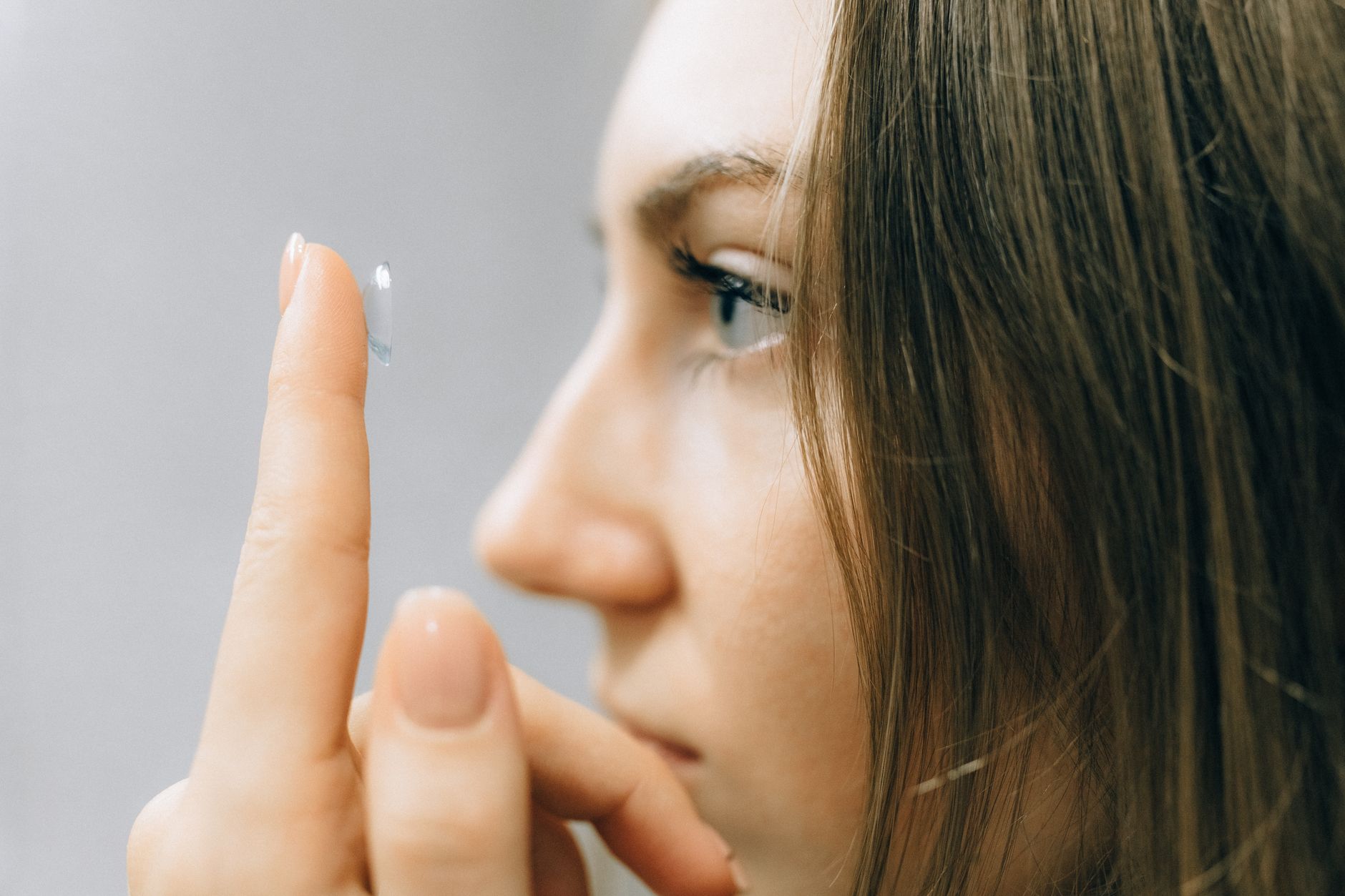
Everything You Need to Know About Colored Contact Safety, Comfort, and Care in 2026
Colored contacts can transform your entire look in seconds, but wearing them safely requires knowing the rules, the risks, and the right care routine. This guide covers everything from FDA regulations and prescription requirements to choosing a flattering color for your skin tone and keeping your lenses comfortable all day.
16 min read
Colored Contact Shades for Brown Eyes: How to Find a Natural Match
Brown eyes are the most common eye color in the world, which makes finding colored contacts that actually transform them a real challenge. This guide breaks down 12 shades proven to show up beautifully over dark irises, matched by skin tone and aesthetic, so you never waste money on a color that disappears on your eyes.
11 min read