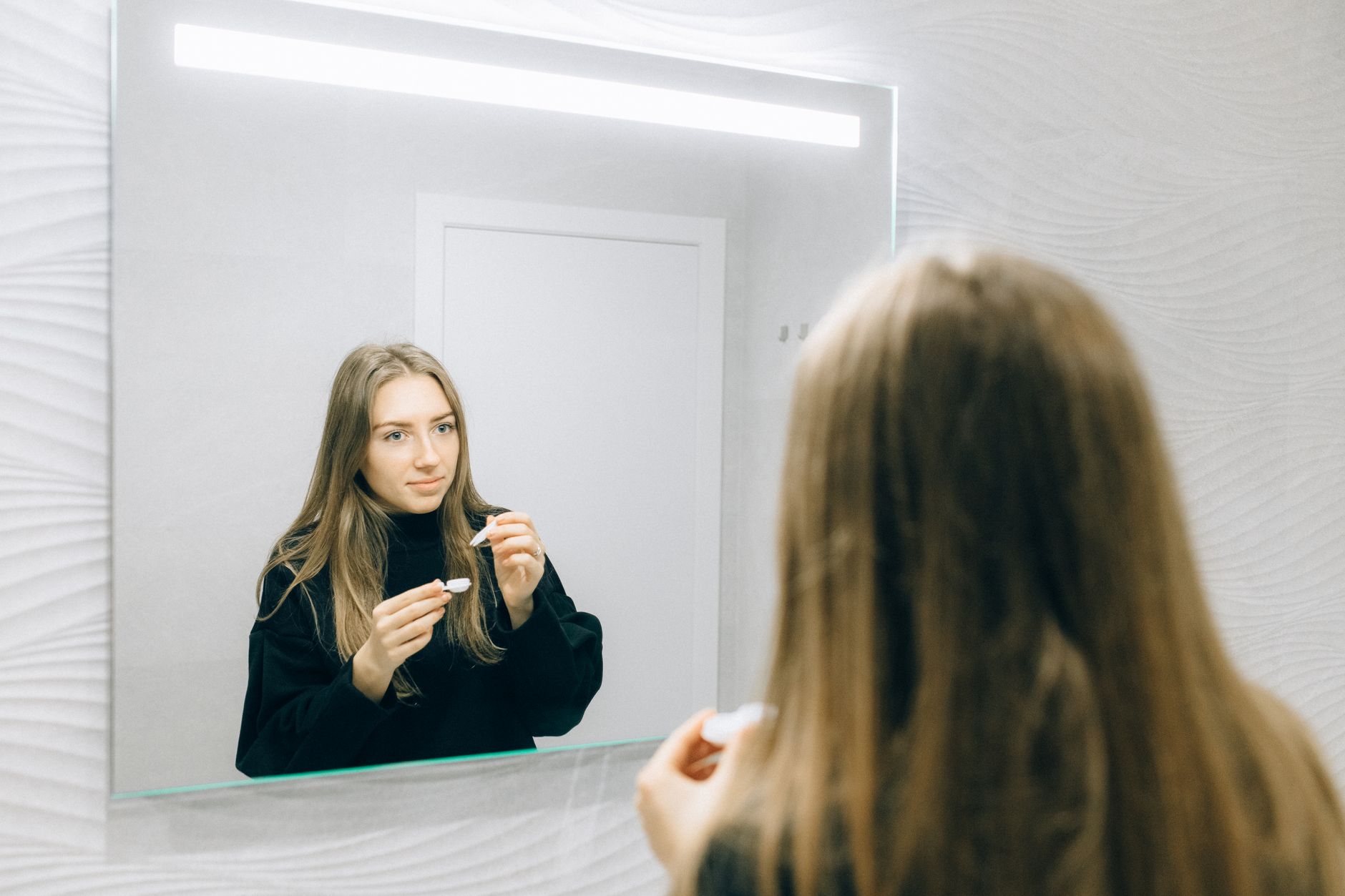
Hapa Kristin vs Solotica: Price, Comfort, Color Range, and Natural Look Compared
By Hapa Kristin Same-day Colored Contacts12 min read
Hapa Kristin suits beauty-first wearers with dark eyes; Solotica suits buyers who prioritize subtle, premium color shifts and can wait for online delivery.
Hapa Kristin vs. Solotica: Full Brand Comparison at a Glance
Before diving into each category, here is a side-by-side summary of both brands across every factor that matters to a real buyer. The global colored contact lens market reached $4.2 billion in 2025 and is projected to hit $4.66 billion in 2026 at a 10.9% CAGR (thebusinessresearchcompany.com). That growth reflects exactly what these two brands represent: a beauty category that has outgrown its medical-supply-store roots. Both Hapa Kristin and Solotica are real players in a market expanding fast, but they serve meaningfully different buyers.
How Hapa Kristin and Solotica Differ in Price and Availability
Price is the sharpest dividing line between these two brands. That price gap is not just a budget conversation. It shapes the entire buying experience. Solotica's higher price point is part of its brand identity, signaling artisanal Brazilian craftsmanship and a refined finish that its loyal community values deeply. Hapa Kristin's lower price removes the financial friction that stops first-time buyers from experimenting at all. The cosmetic contact lens market was valued at USD 1.65 billion in 2024 and is projected to reach USD 2.75 billion by 2030 at a CAGR of 8.9% (strategicmarketresearch.com), showing that demand for both affordable and premium segments is rising simultaneously.
Availability is the second major split. Hapa Kristin's same-day retail presence solves a genuine pain point: the moment you decide you want a new look for tonight's shoot or tomorrow's event, you can walk in and walk out with lenses in hand. Solotica's online-only model through authorized resellers means a multi-day shipping wait, which simply does not fit impulse or event-driven purchases. For the beauty enthusiast planning a TikTok shoot on 48 hours' notice, that difference is the whole decision.
What a Valid Prescription Requirement Means for Buyers
U.S. federal law requires a prescription for all contact lenses, including purely cosmetic, zero-power pairs. This surprises a large share of first-time buyers who assume a non-corrective lens is the same as buying sunglasses. It is not. The Federal Trade Commission's Contact Lens Rule mandates that sellers verify a valid prescription before dispensing any lens, and the FDA classifies all contact lenses as medical devices regardless of their intended purpose (fda.gov). Purchasing lenses from overseas sites that skip this step is not just legally risky for the seller; it creates real health exposure for the buyer, since unverified lenses may not conform to U.S. safety standards. Hapa Kristin verifies prescriptions at the retail point of sale, giving in-person buyers a built-in compliance and safety check. Solotica's authorized resellers require prescription verification online, which works but adds a step to an already slower delivery process.
Solotica's Annual Lens Model vs. Hapa Kristin's Flexible Wear Schedule
Solotica's most-loved lines, Hidrocor and Natural, are designed as yearly replacement lenses. That model makes financial sense if you have found your perfect color and wear it consistently, but it locks you into a single shade for 12 months. Hapa Kristin's shorter wear-cycle options, including monthly and daily formats, let style-conscious wearers switch colors with the seasons, match a shoot aesthetic, or simply try something new without a year-long commitment. Daily disposable lens adoption increases recurring consumer purchase rates by approximately 39% versus yearly replacement products (strategicmarketresearch.com), reflecting a real consumer preference for flexibility over lock-in. Annual lenses also demand strict daily cleaning and proper lens solution storage. Novice wearers who skip a cleaning step or travel frequently may find the maintenance routine genuinely demanding.
Which Brand Feels More Comfortable for All-Day Wear
Comfort is where influencer reviews fall shortest. Most TikTok content from both brand accounts emphasizes aesthetic appeal, color payoff, and before-and-after transformations. None of it gets into water content percentages, base curve compatibility, or oxygen permeability ratios. These specs matter. Hydrogel at that range delivers decent initial comfort but can feel progressively drier after 6-8 hours, particularly in air-conditioned environments or during screen-heavy workdays. Hapa Kristin lenses are formulated to minimize end-of-day dryness that is common in fashion-category lenses. The hydrogel segment holds 44.6% of the global soft contact lenses market share in 2026 (coherentmarketinsights.com), confirming that hydrogel remains the dominant material across both corrective and cosmetic categories. For all-day comfort, the practical advice is: use lubricating drops compatible with soft lenses, build to full-day wear gradually, and never exceed the manufacturer's recommended daily wear window.
Consider a concrete scenario. A content creator in Los Angeles shooting a full-day brand partnership from 9 AM to 7 PM needs lenses that stay comfortable through ring-light heat, studio lighting, and multiple outfit changes. With Solotica at the 7-hour mark, mild dryness and the urge to remove lenses can disrupt the shoot. A properly hydrated Hapa Kristin lens with lubricating drops used mid-session can extend comfortable wear through the full day. Results vary by individual, but material specs and wear habits drive that difference more than brand prestige.
Why Lens Diameter Affects Comfort and Eye Health
Lens diameter gets almost no attention in influencer content, but it is one of the most significant comfort and safety variables in fashion lenses. Standard corrective lenses average 14.0mm. Fashion lenses from both Solotica and Hapa Kristin often reach 14.5mm or higher to create the enlarged, doe-eyed limbal ring lenses effect that drives their visual appeal. Larger diameters sit closer to the limbus, the border where the cornea meets the white of the eye, restricting tear film circulation and increasing irritation risk over time. Wearers with dry or sensitive eyes should prioritize lenses at or below 14.5mm and limit daily wear to 8 hours. Single-use contact lens systems reduce lens-related inflammatory complications by approximately 33% compared to extended-use modalities (strategicmarketresearch.com), which is a compelling case for daily disposable formats when eye comfort is a priority. Always check the specification sheet before purchase. Base curve (typically 8.4-8.6mm) also affects fit; a mismatch causes mechanical irritation no material quality can fix.
How the Color Ranges Compare Across Skin Tones and Eye Colors
This is where the two brands diverge most meaningfully for the majority of U.S. wearers. Solotica's reputation was built on the Hidrocor line: low-pigment, translucent tints that use a starburst iris pattern to create realistic color gradation on light eyes. The color range is muted, realistic, and natural-leaning, designed to look like the wearer was simply born with stunning hazel or green eyes. That formula is genuinely impressive on light or medium natural eye colors. On dark brown or black irises, however, translucent tints show minimal color change because the pigment is not opaque enough to override the natural iris color. This is a factual limitation, not a criticism. Solotica's newer Natural line adds more opaque coverage and includes shades better suited to darker eyes, but the brand's heritage and aesthetic still skew toward a Western or light-eye consumer.
Hapa Kristin's color range is built around the opposite starting point. The brand designs for wearers with dark irises as the default, not the exception. The palette draws on K-beauty color science, prioritizing warm honey, chestnut brown, soft hazel, and cool gray in opaque formulas that genuinely show up on deep natural eye colors. North America holds 36.9% of the global cosmetic contact lens market share (gminsights.com), and a significant portion of that consumer base is East Asian, South Asian, and Black wearers with dark irises who have historically been underserved by Western lens brands. Hapa Kristin fills that gap directly.
Which Colors Look Most Natural on Dark Eyes
For colored contacts for dark eyes, warm honey and chestnut brown tones show up most naturally without creating an artificially vivid or costume-like contrast. These shades complement deep brown irises by adding warmth and dimension rather than fighting the natural color. High-opacity gray and green lenses can look striking on dark eyes, but they require the right skin undertone, typically warm or neutral, to avoid reading as theatrical in everyday settings. At Hapa Kristin Same-day Colored Contacts, we guide every customer through a tone-matching process that pairs lens color with their personal color palette, skin undertone, and typical makeup look. Our team has found that this personalized approach consistently produces results that feel intentional and flattering rather than random or mismatched to individual skin tones. This approach consistently produces results that feel intentional and flattering rather than random. Solotica's Hidrocor Mel and Topazio are the most commonly recommended shades for dark-eyed wearers within the Solotica lineup, though individual results vary significantly depending on how deep the natural iris actually is.
How K-Beauty Color Science Shapes Hapa Kristin's Lens Design
K-beauty lens design operates on different aesthetic principles than Western lens design. The priority is subtle enlargement, soft limbal ring definition, and earthy pigment layering rather than vivid iris color replacement. Hapa Kristin's palette reflects seasonal color analysis concepts, helping wearers choose lenses that harmonize with their existing makeup palette rather than compete with it. A lens color that clashes with a warm-toned foundation or blush looks noticeably off in photos and in person. The K-beauty approach integrates lens selection into the overall beauty routine the same way foundation shade selection works. By 2026, approximately 58% of cosmetic contact lens purchases among consumers aged 18-34 are expected to occur through digital commerce channels (strategicmarketresearch.com), which means the buyers most influenced by K-beauty aesthetics and social media beauty culture are also the largest buying segment in the market.
Which Brand Produces a More Natural-Looking Result
Natural look is subjective, but it breaks down into three measurable components: limbal ring visibility, iris pattern realism, and seamless edge blending where the lens meets the white of the eye. Solotica's Hidrocor line is the most-cited gold standard for natural appearance on light eyes. Its starburst iris patterns mimic real iris variation convincingly, and the low-pigment translucent formula means the lens does not look painted-on. Solotica has a well-earned reputation for especially realistic tones and a refined finish that commands its premium price. For a light-eyed wearer, it is genuinely difficult to beat. Hapa Kristin achieves natural appearance through a different mechanism entirely: color tone matching to the wearer's skin and undertone so the lens looks like it belongs on that specific face. For dark-eyed wearers, Hapa Kristin's opaque lenses with multi-tone layering produce a more believable natural look than any translucent formula could. The right answer depends entirely on your starting eye color.
Solotica is generally the stronger choice if the goal is a premium, ultra-natural effect on light or medium eyes with maximum subtlety. Hapa Kristin is generally the better pick for a softer, more everyday natural look on dark eyes, pairing effortlessly with beauty routines rather than standing apart from them. These are not competing quality levels. They are competing design philosophies optimized for different wearers.
Does Camera Performance Differ Between Hapa Kristin and Solotica
Ring-light and smartphone camera environments amplify color saturation in ways that standard daylight does not. Solotica's subtle translucent tones, which look impressively realistic in person, can appear richer and more vivid on video than they do face-to-face. Hapa Kristin's bolder pigment options are deliberately engineered to read well on social media, delivering the editorial eye look that content creators want for Instagram Reels and TikTok. For everyday wear and professional office settings, lower-pigment translucent options from either brand are more appropriate. For a scroll-stopping beauty shoot, Hapa Kristin's high-pigment lenses with defined limbal ring lenses translate better to the screen. The practical takeaway: match your lens choice to the context you are dressing for, not just your personal preference.
Who Should Choose Hapa Kristin and Who Should Choose Solotica
Hapa Kristin is the stronger choice for style-conscious, beauty-first wearers with dark eyes who want vivid yet flattering results, same-day access to lenses, and a brand that integrates naturally into their beauty routine. In our experience, the combination of accessible pricing, flexible wear cycles, and K-beauty color science allows customers to build a sustainable lens rotation that adapts to seasonal trends and shooting aesthetics. Content creators who rotate looks frequently will find Hapa Kristin's shorter wear cycles and curated K-beauty color range far more practical than committing to a single annual lens. Hapa Kristin tends to be more budget-friendly across every product tier, which removes the barrier for first-time buyers who want to experiment before committing to a signature color.
Solotica is typically pricier, and that premium is justified for its target buyer: someone who wants one consistent, ultra-natural lens worn reliably over months. The annual lens model suits this kind of wear pattern. First-time contact wearers are better supported by a brand with a U.S. retail presence that can guide prescription verification and fitting in person, which gives Hapa Kristin a clear edge for lens newcomers. Daily disposables accounted for 40-55% of global wearers in 2025 (maximizemarketresearch.com), reflecting a broad preference for the hygiene and simplicity of shorter wear cycles that aligns directly with Hapa Kristin's product mix.
Safety Practices That Apply to Both Brands
Regardless of which brand you choose, the safety rules are identical and non-negotiable. Always purchase from a retailer that requires prescription verification. Never share lenses with another person; sharing transfers bacteria and significantly raises infection risk. Follow the manufacturer's replacement schedule exactly. Annual lenses worn beyond their rated life increase corneal damage risk. Remove lenses before sleeping unless the specific product is rated for overnight extended wear. Neither Solotica nor Hapa Kristin fashion lenses are designed for sleep-in use. Store lenses in fresh lens solution only. Saline and tap water are not substitutes and introduce microbial contamination. These are the basics, and no brand's reputation substitutes for following them.
Frequently Asked Questions
Are Solotica lenses worth the higher price compared to Hapa Kristin?
Solotica is worth the $60-$120 price if you have light or medium natural eyes and want the most ultra-realistic, barely-there color shift available. For dark-eyed buyers, Hapa Kristin's $20-$50 opaque lenses deliver more visible color payoff. The premium is justified only when the translucent formula actually works on your natural eye color.
Can Hapa Kristin lenses be worn on dark brown eyes and still show vivid color?
Yes. Hapa Kristin's opaque formula is specifically designed for dark brown and black irises. Unlike Solotica's translucent Hidrocor line, Hapa Kristin uses high-pigment, multi-tone layering that overrides deep natural eye colors. Warm honey, hazel, and gray shades all show clearly on dark irises when the lens is properly opaque.
Do I need a prescription to buy Hapa Kristin or Solotica lenses in the US?
Yes. U.S. federal law requires a valid prescription for all contact lenses, including zero-power cosmetic pairs. The FDA classifies all contacts as medical devices. Hapa Kristin verifies prescriptions at retail point of sale. Budget $50-$150 for an eye exam if you do not already have a current prescription before purchasing either brand.
How long can I comfortably wear colored contacts in a single day?
Most wearers can comfortably wear fashion-category colored contacts for 6-10 hours with proper hydration. Larger diameter lenses (14.5mm and above) restrict tear film circulation and shorten comfortable wear time. Using lubricating drops compatible with soft lenses mid-day extends comfort significantly. Never wear any fashion lens beyond the manufacturer's stated daily wear window.
What is the most natural-looking colored contact lens for everyday wear?
The most natural look depends on your natural eye color. For light eyes, Solotica Hidrocor's starburst translucent pattern is widely considered the gold standard for realism. For dark eyes, Hapa Kristin's warm honey and chestnut brown opaque options in a tone-matched shade to your skin undertone produce the most believable, everyday natural result.
How do I choose a lens color that flatters my skin tone?
Match lens warmth to your skin undertone. Warm skin tones look best in honey, hazel, and amber lenses. Cool or neutral undertones suit gray, blue-gray, and ash brown lenses. Hapa Kristin's K-beauty-influenced palette uses seasonal color analysis concepts to pair lens shades with foundation tone and blush, making the selection process feel like a makeup routine, not a guessing game.
Is Solotica Hidrocor or Natural better for dark eyes?
Solotica Natural is the better option for dark eyes between the two lines because it includes more opaque coverage than Hidrocor's purely translucent formula. Hidrocor on deep brown or black irises produces minimal visible color change. Solotica Mel and Topazio are the most commonly recommended Hidrocor shades for dark-eyed wearers, though results vary significantly by individual iris depth.
Where can I buy Hapa Kristin contacts same-day without waiting for shipping?
Hapa Kristin has U.S. retail locations where you can purchase same-day colored contacts for dark eyes and other shades in person. This eliminates the multi-day shipping wait that defines the Solotica buying experience. In-store purchase also includes prescription verification support, which is especially useful for first-time contact lens buyers navigating the process for the first time.
Are colored contacts from overseas online retailers safe to buy?
Purchasing colored contacts from overseas sites that skip U.S. prescription verification carries real legal and health risks. The FDA requires all contact lenses sold in the U.S. to meet medical device safety standards, and overseas retailers often bypass these requirements. Lenses without proper certification may use pigments not approved for ocular use, increasing the risk of irritation, infection, or corneal damage.
How do Hapa Kristin and Solotica compare in price?
Hapa Kristin lenses are priced at $20-$50 per pair across monthly and shorter wear-cycle options, making them accessible for regular rotation. Solotica lenses retail at $60-$120 per pair, primarily for annual replacement lenses like Hidrocor and Natural. Hapa Kristin is the more budget-friendly choice across every tier, with no sacrifice in color quality for dark-eyed wearers.
Which brand is more comfortable for all-day wear?
Comfort depends on material, diameter, and individual eye chemistry rather than brand alone. Solotica's hydrogel formula can feel dry after 6-8 hours for some wearers. Hapa Kristin's formulation targets end-of-day dryness common in fashion lenses. Both brands benefit from lubricating drops. Daily disposable formats, which Hapa Kristin offers, reduce inflammatory complications by approximately 33% compared to extended-use modalities.
Which has the wider range of natural-looking colors?
Hapa Kristin offers a wider range of natural-looking colors for dark-eyed wearers, with more SKUs in the warm brown, honey, hazel, and gray tones that show on deep irises. Solotica's range is deeper for translucent, light-blending shades suited to light eyes. If the target market is East Asian, South Asian, or Black consumers, Hapa Kristin's range is considerably more comprehensive and purposefully curated.
Which brand looks more realistic on dark eyes?
Hapa Kristin looks more realistic on dark brown and black irises. Its opaque, multi-tone pigment formulas are designed specifically for wearers who need coverage to override deep natural eye color. Solotica's translucent Hidrocor line was built for light eyes and produces minimal visible change on dark irises. For dark-eyed wearers, Hapa Kristin is the clear winner in realistic, natural-looking results.
Sources & References
- Contact Lenses Market: Industry Analysis by Market Size[industry]
- Cosmetic Contact Lens Market Size Report, 2026–2035[industry]
- Soft Contact Lenses Market Size and Forecast – 2026-2033[industry]
- FDA – Contact Lenses[gov]
- Cosmetic Contact Lenses Market Report (2026): Must-Know Insights & Updates[industry]
- Coloured Contact Lenses Market Growth Analysis Report 2026[industry]
About the Author
Hapa Kristin Same-day Colored Contacts
Hapa Kristin offers same-day colored contacts designed for every skin tone and style. Their curated collection lets beauty-conscious women change their eye color as easily as their makeup.
Learn more at hapakristin.us →Related Posts
FDA-Cleared Colored Contacts: How to Verify Safety and Which Brands Meet US Standards
Not all colored contacts sold in the US are FDA-cleared, and wearing unregulated lenses can cause serious eye damage. This guide shows you exactly how to verify a lens brand's FDA status, what US law requires even for non-corrective lenses, and which brands consistently meet American safety standards.
12 min read
Daily vs Monthly Colored Contacts: Cost, Comfort, Convenience, and Which Is Right for You
Choosing between daily and monthly colored contacts comes down to more than price. This guide breaks down real cost differences, comfort factors, care routines, and which option fits your lifestyle so you can make a confident, safe choice.
11 min read
Colored Contacts as a Fashion Statement in 2026: Trends, Creators, and Style Inspiration
Colored contacts have crossed over from niche novelty to mainstream beauty staple in 2026, driven by K-beauty aesthetics, short-form video culture, and a new generation of style-conscious wearers who treat eye color like a wardrobe choice. This guide covers the biggest trends, the creators shaping them, and practical advice for finding the right color for your look.
13 min read