
To pair colored contacts with outfits, match warm-toned lenses like honey or hazel to earth-toned clothing, and cool-toned lenses like gray or blue to jewel tones and neutrals. For special events, bold colors like violet or green create contrast. Always factor in your skin tone and lighting conditions for the most natural result.
Why Does Skin Tone Change Everything About Colored Contact Results?
Skin tone is the single most overlooked variable in colored contact styling. Most guides jump straight to outfit color without asking the more fundamental question: does this lens color even work on your face? The answer depends on your undertone, which is the warm, cool, or neutral cast beneath your skin's surface. Get this right, and your lenses read as effortlessly natural. Get it wrong, and even the most beautiful lens color looks like a Halloween accessory. The global colored contact lens market is projected to reach $4.66 billion in 2026 at a 10.9% CAGR (researchandmarkets.com), which tells you one thing clearly: millions of people are buying these, but not all of them know how to match them to their face.
Warm Undertones: Which Lens Colors Complement Golden and Olive Skin?
Warm undertones, the kind that show up as golden, peachy, or olive in the skin, respond best to lens colors that echo their existing warmth. Honey, chestnut, and hazel lenses mirror the gold flecks already present in the skin and create a look that feels like your eyes just woke up on a good day. Green lenses on olive skin produce a sun-kissed, naturalistic effect that K-beauty has popularized globally, and for good reason: the green reads as an earthy complement rather than a stark contrast. Warm wardrobes built around rust, camel, terracotta, and brown pair beautifully with amber and honey lenses because the colors are all drawing from the same seasonal palette. Think of it as analogue color science. When skin, outfit, and lens color all share warm undertones, the eye pulls the whole look together instead of fighting it. Stark blue or violet lenses on warm undertones can absolutely work, but they require warm-toned eye makeup, a copper-toned shadow or a bronzed liner, to bridge the gap and prevent the contrast from reading as jarring.
Cool and Neutral Undertones: Maximizing Blue, Gray, and Violet Lenses
Cool undertones carry pink, rose, or bluish casts beneath the skin. On fair, pink-based complexions, blue and gray lenses replicate Northern European eye genetics with such seamlessness that people genuinely do double-takes. The lens color does not compete with the skin; it extends the same cool visual family. Violet and amethyst lenses are the cool-skin secret weapon. On neutral undertones especially, they create a high-impact look without veering into costume territory, provided the surrounding makeup stays clean and neutral. Cool wardrobes built on navy, slate, burgundy, and forest green pair naturally with gray, blue, violet, and cool-toned green lenses. The underlying principle is simple: cool clothing and cool lenses create a unified chromatic story. Neutral undertones are genuinely the most versatile foundation. People with [neutral skin](/ ultimate-guide-choosing-colored-contacts-skin-tone-eye-color) can pull from both warm and cool lens families, which makes building a lens rotation much easier and gives them the most styling freedom of any undertone category.
How to Match Colored Contacts to Your Outfit by Color Palette
Basic color theory is your best styling tool. Analogous pairings, colors that sit close to each other on the color wheel, feel harmonious and effortless. Complementary pairings, colors directly opposite on the wheel, feel bold and intentional. Both are valid. The goal is choosing one approach per look and committing to it. Neutral outfits (white, black, beige, gray) act as a blank canvas that lets any lens color dominate without competition. Earth tones and rust shades amplify honey, hazel, and amber lenses. All-black outfits become dramatically elevated when paired with high-contrast lenses like ice gray or electric blue. Pastel clothing coordinates best with soft lenses: lavender, light gray, or a warm rose-brown. Jewel-tone outfits, emerald green, sapphire, deep burgundy, echo and amplify lens colors that share or directly complement their hue. North America leads global colored lens purchasing with a 50.08% market share in 2024 (blog.hapakristin.us), and by 2026, approximately 58% of cosmetic contact lens purchases among consumers aged 18 to 34 are expected to occur through digital channels (blog.hapakristin.us). Style-conscious shoppers are already building lens wardrobes. The question is whether they are building them strategically.
Building a Lens Rotation the Way You Rotate Lipstick Shades
Think of your lens rotation the way you think about a lipstick collection. You need a nude, a classic, and a statement. For colored contacts, that translates to one warm neutral (honey), one cool neutral (gray), one bold (violet or electric blue), and one natural enhancement tint that deepens your existing eye color for days when you want a barely-there upgrade. Honey is your nude lip equivalent. It goes with almost everything, flatters most skin tones, and never looks overdone. Gray is your classic red lip. It signals polish and intention without being loud. Violet is your statement color. Save it for when you want your eyes to do all the talking. Matching this rotation to your existing clothing palette saves money and eliminates the decision fatigue that comes from staring at a shelf of options when you are already running late. At Hapa Kristin Same-day Colored Contacts, we built our range specifically around this rotation logic, so every shade earns its place.
What Color Contacts Work With Monochromatic Outfits?
Monochromatic dressing is one of the easiest lens-pairing scenarios because the outfit removes itself as a competing visual element. A head-to-toe beige look, for example, becomes editorial with a single dramatic lens choice like steel gray or jade green. The eye becomes the sole point of contrast and visual interest, which is exactly where you want attention in a clean, minimal outfit. All-white outfits pair strikingly with any colored lens and are ideal for content shoots because the background is effectively neutral. One critical principle applies here: one strong focal point at a time. If your monochromatic outfit is already making a statement through texture or cut, choose a softer lens color that echoes the mood rather than competes with it. Bold lenses on a bold outfit split the viewer's attention and weaken both elements. Choose one to star.
Occasion-by-Occasion Lens Pairings: From Everyday Wear to Special Events
The occasion sets the parameters. Casual daily wear calls for natural brown, hazel, or subtle gray lenses that feel effortless rather than costumed. Office and professional settings reward enhancement tints that deepen your natural eye color slightly without drawing distraction. A softer finish reads as more credible and polished in business environments because it does not signal that you are trying to be noticed. The eye color is there, but it is not shouting. Date nights shift the equation toward warmth and intention: honey or green lenses add an approachable warmth, while violet or sapphire create romantic intensity depending on outfit palette. Content creation and social media shoots are the one occasion where you genuinely should go bolder than you think you need to. High-saturation lenses like electric blue, emerald, or violet maximize visual impact on camera in ways that subtler shades simply cannot. Festival and creative events are the right context for two-tone or limbal-ring lenses, which add dimension and editorial depth. Formal events and weddings call for soft gray or champagne-brown lenses that photograph cleanly across all lighting conditions and look polished at every focal length.
Why Do Colored Contacts Look Different on Camera Than in Person?
Camera flash and ring lights increase the contrast between the iris and the white of the eye, which makes lenses appear noticeably more saturated than they do in natural light. A lens that feels slightly understated in your bathroom mirror will often read perfectly on camera. Natural daylight photography favors warm-toned lenses because daylight has a warmer color temperature that softens the overall effect. Studio or artificial lighting runs cooler and brighter, which is why cool-toned and high-saturation lenses, gray, blue, and violet, perform best under controlled lighting setups. For content creators specifically, understanding the lighting environment before choosing a lens color is as important as the outfit choice itself. Test your chosen lens in the same lighting conditions you plan to shoot in before finalizing the look.
Colored Contact Safety, Comfort, and Legal Requirements in the US
Safety is not a side note. It is the foundation. The FDA classifies all contact lenses, including purely cosmetic non-corrective ones, as medical devices. A valid prescription from a licensed eye care professional is legally required to purchase any colored contacts in the US, even if you have 20/20 vision and need zero optical correction. This is not a technicality. Buying lenses without a prescription from unregulated overseas sources carries real risks: corneal ulcers, bacterial eye infections, and in serious cases, permanent vision damage. The FDA's current enforcement posture in 2026 includes a 15-day reporting requirement for adverse events related to cosmetic products (bustoslawgroup.com), which reflects how seriously regulators treat consumer safety in this category. Daily disposable lenses hold a 52.4% share of the cosmetic contact lens market as of 2024 (strategicmarketresearch.com), and single-use systems can reduce lens-related inflammatory complications by approximately 33% compared to extended-use modalities (strategicmarketresearch.com). For casual or occasional wearers, daily wear lenses are the cleaner, safer choice. Proper hygiene is non-negotiable: always wash hands before insertion, never sleep in lenses, replace on the manufacturer's schedule, and use fresh lens solution every single day.
What Should First-Time Contact Lens Wearers Know Before Buying?
First-timers need a contact lens fitting, not just a glasses prescription. Eye shape, specifically the base curve measurement, determines which lenses sit comfortably on the eye without causing irritation or slipping. This fitting applies to purely cosmetic lenses just as much as corrective ones. Start with 2 to 4 hours of wear and build up over several days rather than jumping straight to a full day of use. Artificial tears formulated for contact lens wearers can prevent dryness during longer wear sessions. Never share colored contacts with anyone, regardless of how well you know them. Contact lenses carry bacteria and can transfer eye infections directly. Consumers using regulated disposable lenses show nearly 26% higher compliance rates with safe wearing schedules compared to those using unregulated sources (blog.hapakristin.us). That gap matters for long-term eye health.
How to Create a Signature Eye Look by Combining Contacts and Makeup
Makeup and colored contacts work best when one is the star and the other plays a supporting role. Keep makeup and accessories cleaner when the contacts are doing the heavy lifting. This is not about minimalism for its own sake. It is about directing attention efficiently. The most reliable technique is the rule of complement: use eyeshadow shades one or two tones darker than the lens color to make the iris pop without the shadow and lens competing for the same visual real estate. For green or hazel lenses, burgundy and copper eyeshadows create a warm, editorial contrast that makes both elements shine. For gray or blue lenses, taupe, mauve, and smoky charcoal shadows enhance the coolness without overwhelming it. Brown and honey lenses are the most versatile foundation for any eye look because they complement virtually every makeup color family without conflict. Eyeliner choices shift the entire register: black liner intensifies drama while brown or nude liner keeps the overall look soft and naturalistic. Heavy lower lash liner competes directly with a bold lens color, splitting focus and muddying both elements. A glossy or dewy skin finish reflects light back toward the eyes and makes colored lenses appear more vivid, which is especially valuable for content creation.
Which Makeup Looks Are Best for Social Media Content With Colored Contacts?
High-contrast looks perform best in close-up video formats like Instagram Reels and TikTok. A bold lens color paired with a simple, graphic liner, think a clean cat eye or a tight liner on the upper waterline, creates a striking composition that reads clearly even on small screens. A glossy or dewy skin finish is a content creator's best friend here because it reflects light back toward the eyes and amplifies the vivid quality of the lens color on camera. Avoid heavy concealer or matte products around the eyes under bright artificial lighting. They flatten features and reduce the dimensional contrast that makes colored lenses look striking rather than flat. The goal is a fresh, lit-from-within base that lets the lens color carry the close-up.
Colored Contact Lens Color vs. Outfit Pairing: Quick Reference
The table below consolidates the pairings covered throughout this guide into a single reference you can screenshot before your next shoot or event.
| Lens Color | Best Outfit Palette | Skin Tone Fit | Best Occasion |
|---|---|---|---|
| Honey / Amber | Earth tones, rust, camel | Warm undertones | Everyday, date night |
| Hazel | Neutrals, olive greens, brown | Warm or neutral | Casual, content creation |
| Gray (soft) | Black, white, navy, pastels | Cool or neutral | Office, formal events |
| Ice Gray | All-black, monochrome | Any (creates contrast) | Content shoots, events |
| Blue | Navy, white, jewel tones | Cool undertones | Date night, content |
| Violet / Amethyst | Burgundy, black, neutrals | Cool or neutral | Statement nights, festivals |
| Green | Olive, khaki, earth tones | Warm or neutral | K-beauty looks, casual |
| Enhancement tint | All palettes | All skin tones | Office, professional settings |
Frequently Asked Questions
Do I need a prescription to buy colored contacts in the US even if I have perfect vision?
Which colored contacts look the most natural on dark brown eyes?
How long can I safely wear colored contacts in a single day?
Can colored contacts damage your eyes if worn correctly?
What is the difference between an enhancement tint and an opaque colored lens?
Which colored contact colors photograph best under studio lighting and flash?
Can I wear colored contacts with any skin tone, or are some colors only for certain complexions?
How do I know which base curve size I need for colored contacts to fit comfortably?
How do I match colored contacts with different outfit colors?
What colored contacts work best for dark or brown eyes?
What are the best subtle contact shades for formal occasions?
How do I choose prescription colored contacts for fashion looks?
Sources & References
- Cosmetic Contact Lenses Market Report (2026): Must-Know Insights & Updates (opens in a new tab)[industry]
- Coloured Contact Lenses Market Size & Forecast to 2030 (opens in a new tab)[industry]
- FDA Enforcement Trends: What Companies Can Expect in 2026 (opens in a new tab)[industry]
- Best Colored Contact Lens Brands 2026 (US) (opens in a new tab)[industry]
About the Author
Hapa Kristin Same-day Colored Contacts
Hapa Kristin offers same-day colored contacts designed for every skin tone and style. Their curated collection lets beauty-conscious women change their eye color as easily as their makeup.
Learn more at hapakristin.us → (opens in a new tab)Related Posts
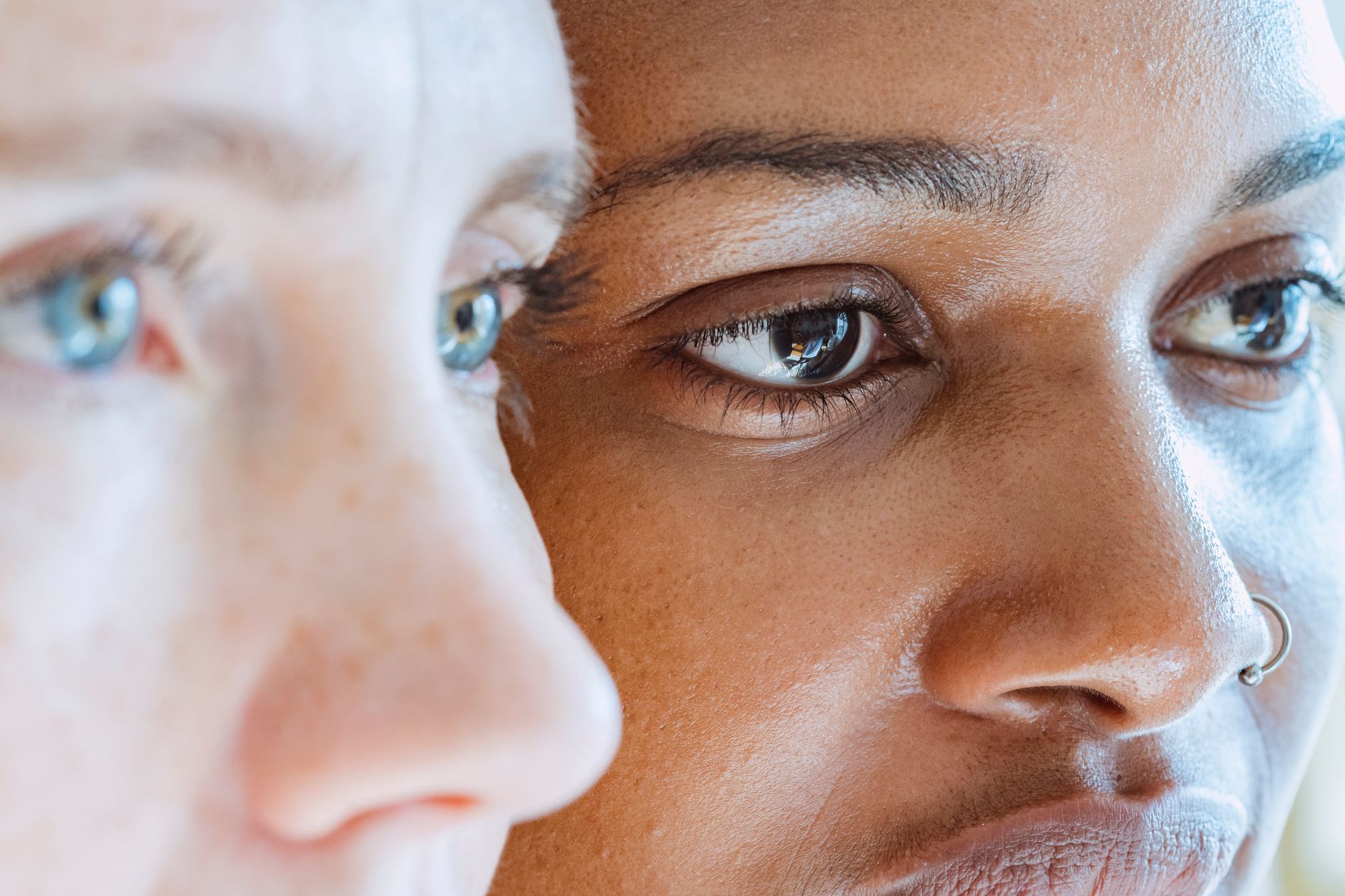
8 Best Colored Contacts for Warm Skin Tones (Ranked by a Beauty Brand)
Warm skin tones glow with honey, hazel, amber, and earthy green lenses — but the wrong color can wash you out instantly. This ranked list breaks down the eight best colored contact options for golden, olive, and bronze complexions, with same-day picks from Hapa Kristin so you can shop and wear today.
15 min read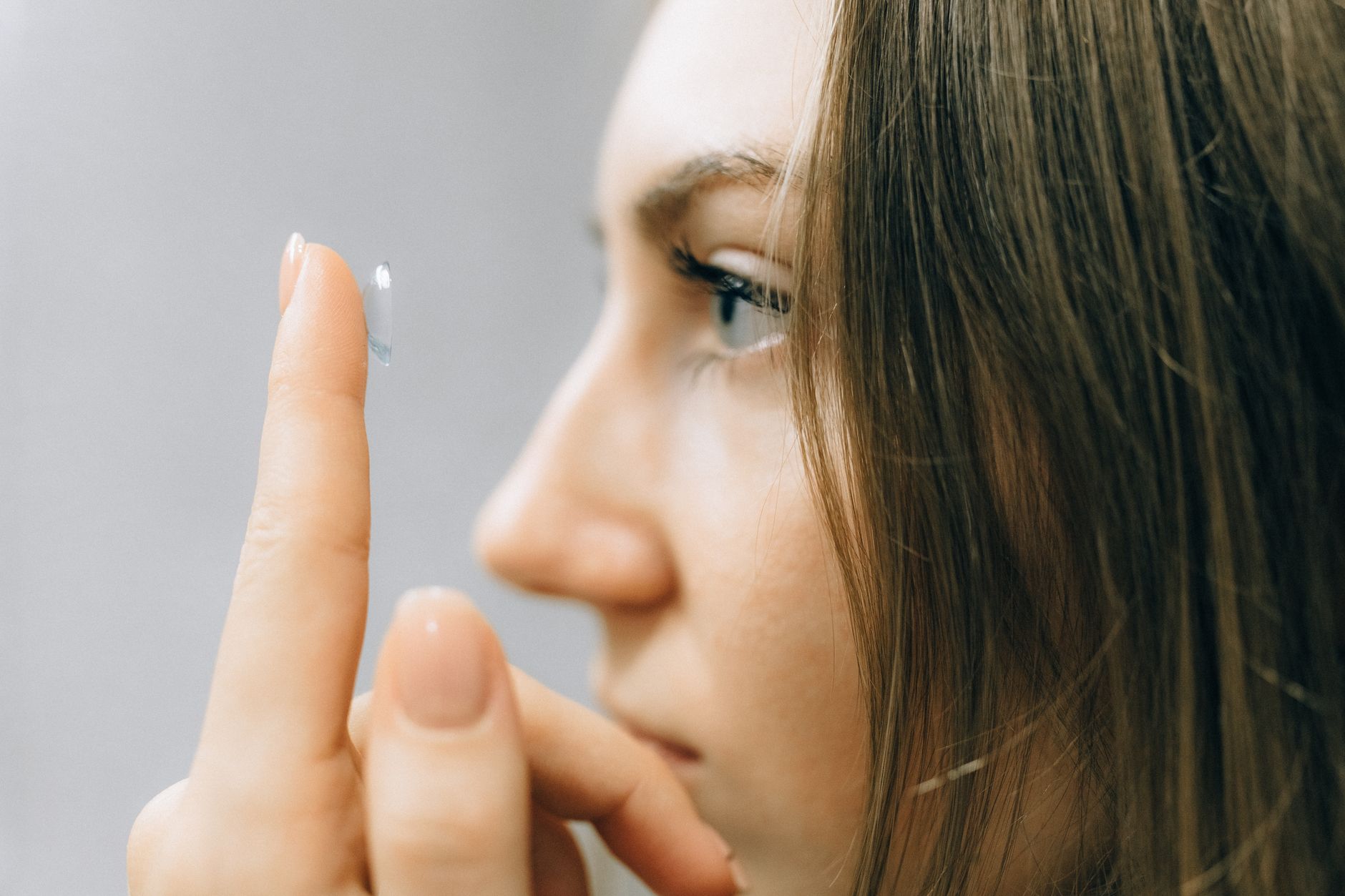
Everything You Need to Know About Colored Contact Safety, Comfort, and Care in 2026
Colored contacts can transform your entire look in seconds, but wearing them safely requires knowing the rules, the risks, and the right care routine. This guide covers everything from FDA regulations and prescription requirements to choosing a flattering color for your skin tone and keeping your lenses comfortable all day.
16 min read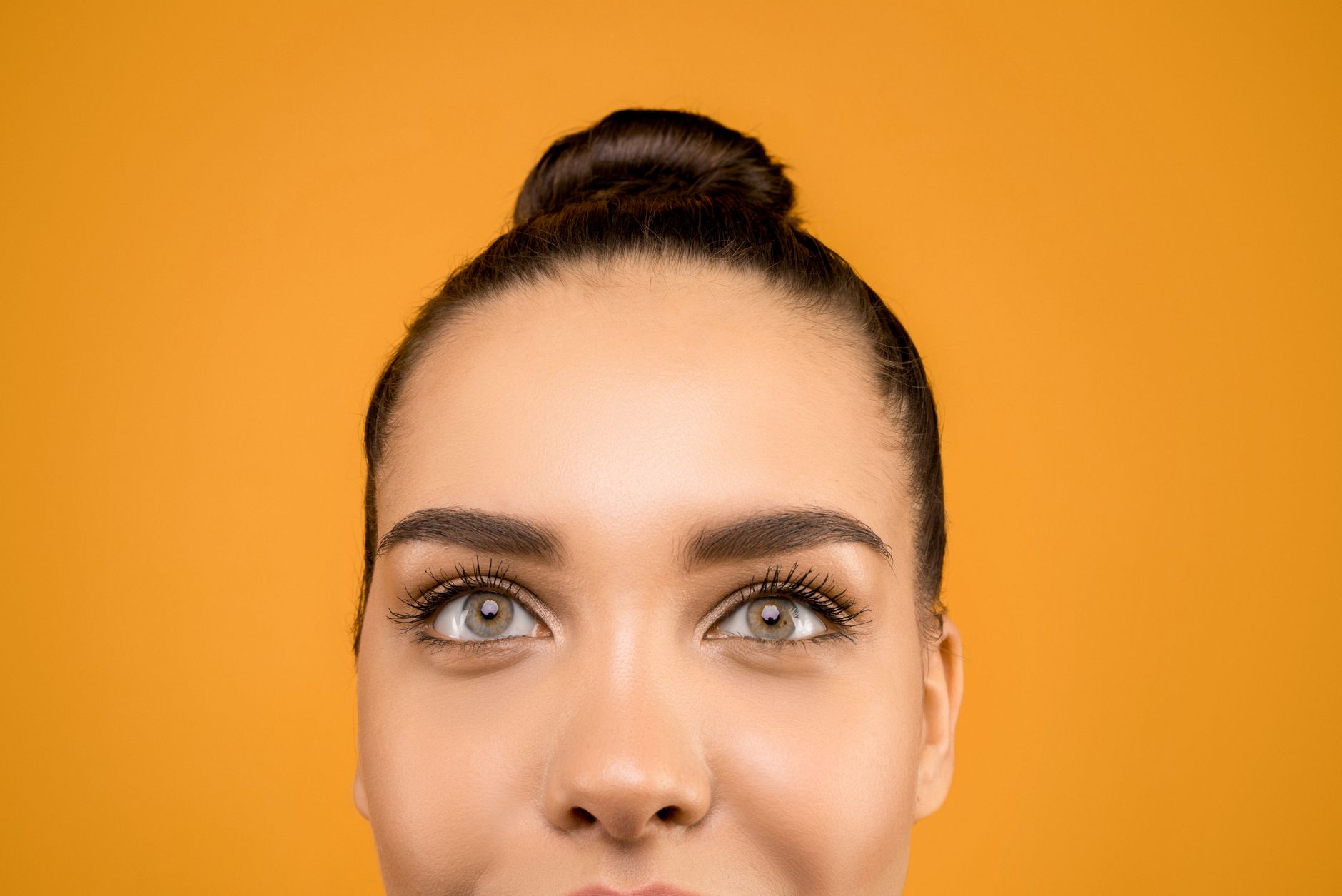
Colored Contact Shades for Brown Eyes: How to Find a Natural Match
Brown eyes are the most common eye color in the world, which makes finding colored contacts that actually transform them a real challenge. This guide breaks down 12 shades proven to show up beautifully over dark irises, matched by skin tone and aesthetic, so you never waste money on a color that disappears on your eyes.
11 min read