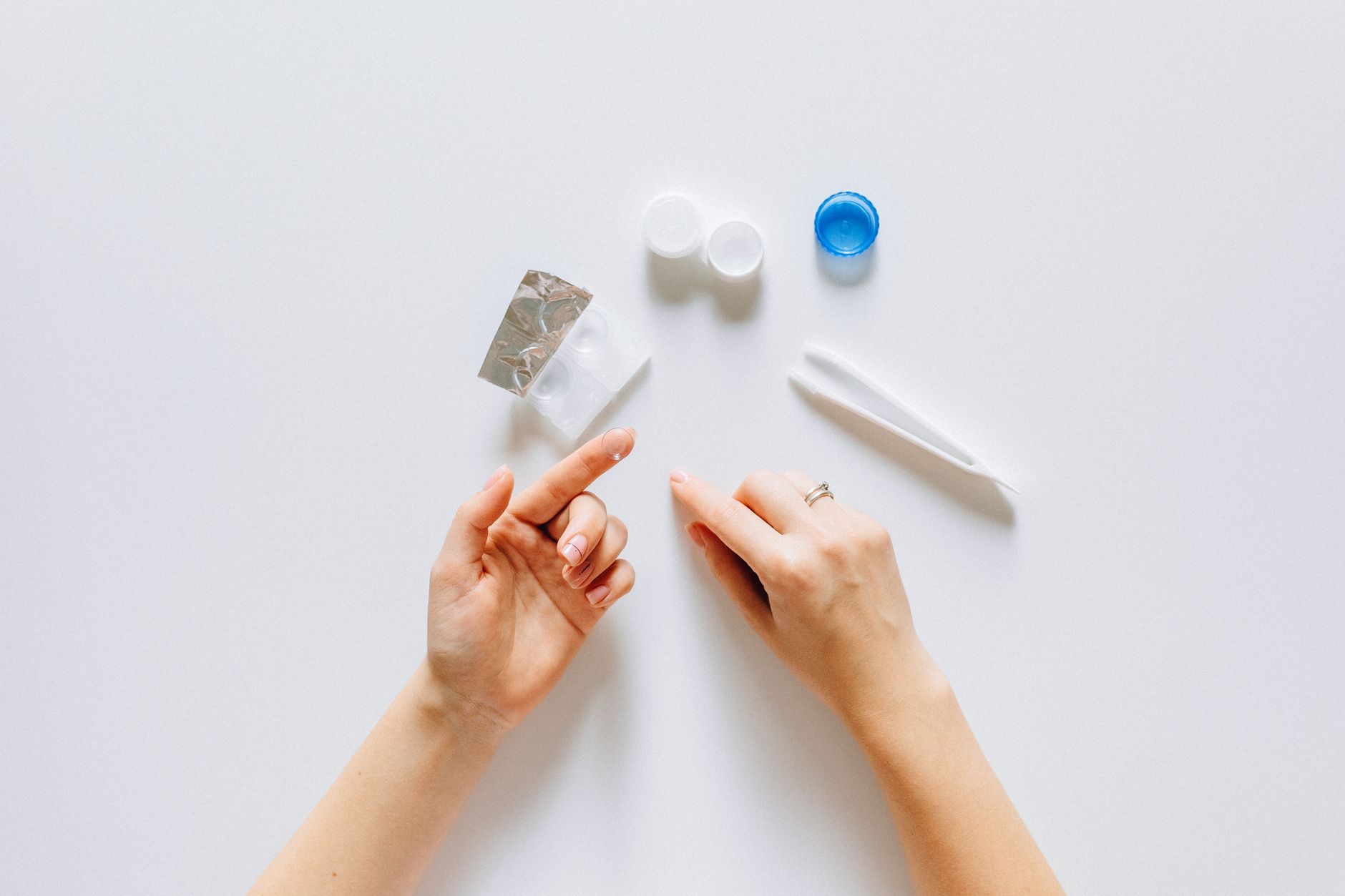
In-store colored contact try-on experiences let shoppers test lens colors against their actual eye color, skin tone, and lighting before purchasing. Most retail lens boutiques offer same-day fittings with licensed staff guidance, so you leave with the right shade immediately. No waiting, no guessing, no returns.
Why In-Store Colored Contact Experiences Are Growing So Fast
The global colored contact lens market hit $4.2 billion in 2025 and is growing at a 10.9% CAGR, projected to reach $4.66 billion in 2026 (thebusinessresearchcompany.com). That growth is not random. Social media has turned eye color transformation into a mainstream beauty category, K-beauty culture has normalized cosmetic lenses as everyday accessories, and consumers want results they can see before they swipe a card. Online-only brands cannot solve that last part. Shipping windows of 3 to 14 days kill spontaneity, and no product photo accurately shows how a lens will look on dark brown irises under real afternoon light. Physical retail fills the gap. Same-day walk-out availability is a competitive advantage no overseas e-commerce brand can replicate, and in-store staff trained in personal color science can narrow choices faster than any online quiz.
How Social Media Turned Eye Color Into a Beauty Trend
Creators on TikTok and Instagram build entire "get ready with me" videos around lens try-ons, and the format rewards dramatic eye-color transformations with higher watch time and saves. Gen Z shoppers are leading the charge: 40% purchased a viral or trending product in the past year, compared to 39% of millennials (cleanskinclub.com). Among daily TikTok users, those aged 25 to 34 make up the largest share at 29% who discover products through influencers, followed by 21% of users aged 18 to 24 (yougov.com). That is exactly the demographic buying colored contacts. When a creator posts side-by-side lens comparisons on diverse skin tones and the video earns millions of views, curiosity becomes purchase intent fast. Brands that show real results on real people earn outsized trust. The viral loop is real, and it is pulling new buyers into cosmetic contact lenses every single day.
What Gap Do Physical Lens Retail Spaces Fill
The simple benefit that keeps customers coming back to physical retail is the ability to compare shades before buying. No screen renders how a violet lens reads on a medium-warm skin tone under a fluorescent office ceiling versus golden-hour sunlight. That gap matters enormously. Lighting transforms how colors read, and the "looks gorgeous inside, washes out completely outdoors" problem costs shoppers money and wastes their time. In-store environments are set up to mimic natural daylight specifically to prevent that mismatch. Staff can show three finalist shades side by side in the same lighting conditions you will actually wear the lenses in, cutting decision time and return rates. At Hapa Kristin Same-day Colored Contacts, we have seen customers walk in convinced they want a cool grey lens, try it next to a warm honey shade in proper daylight-calibrated lighting, and completely change course. Our team has found that this moment of discovery, where customers experience the true color payoff under professional lighting conditions, is what drives customer loyalty and repeat purchases. That moment of discovery only happens in person.
What Happens During an In-Store Colored Contact Try-On Experience
The in-store fitting experience has a clear structure that most shoppers do not know to expect. It starts with prescription verification. Under US federal law, specifically the Fairness to Contact Lens Consumers Act, all contact lenses including zero-power cosmetic lenses are classified as medical devices and require a valid prescription (fda.gov). Reputable retailers verify your prescription before dispensing any lens. If you do not have a current one, many boutiques can refer you to an on-site or partnered optometrist. From there, a staff member assesses your natural eye color, skin undertone, and the aesthetic you are going for. They narrow options to two or three shades, you try sample lenses under daylight-calibrated lighting, and you compare results with a digital mirror or side-by-side camera view. Fit, comfort, and oxygen permeability specs are reviewed alongside color. You leave same-day with the chosen lenses in hand. The full appointment typically runs 30 to 45 minutes. In our experience, customers appreciate how efficiently trained staff can narrow choices to the perfect shade, eliminating the uncertainty and cost of ordering the wrong lens online.
Do You Need a Prescription for Cosmetic Colored Contacts
Yes, always. This is the most common misconception new buyers carry into a boutique. Non-corrective, zero-power colored contacts are still classified as medical devices by the FDA, and purchasing them without a valid prescription from a licensed eye care professional is illegal in the United States (fda.gov). The prescription establishes your base curve measurement, which determines whether a lens physically fits your cornea. A lens with the wrong base curve does not just feel bad; it can cause mechanical abrasion and increase infection risk with every blink. Buying unverified lenses from overseas sites or non-authorized sellers bypasses this safeguard entirely. The FDA actively warns consumers about lenses sold without prescription verification. Safety messaging is now becoming part of the buying experience at reputable retailers, not an afterthought tacked onto a product page.
How Staff Match a Lens Color to Your Skin Tone and Eye Color
Personal color analysis is the core skill that separates a well-trained lens boutique from a rack at a beauty supply store. Staff evaluate whether your undertone is warm, cool, or neutral because undertone directly affects how a lens shade reads on your face. A cool-toned grey looks sophisticated on cool-undertone skin and clinical on warm-undertone skin. Dark brown eyes require full-opacity lenses to show any color change; semi-transparent tints will not show up meaningfully on a deep iris. Lighter eyes can achieve dramatic results with lighter tints. Multi-tone lenses with limbal ring designs add depth and create the naturally enlarged iris effect that defines K-beauty eye aesthetics. The K-beauty products market stands at $12.43 billion in 2025 and is growing at 6.5% CAGR globally (researchandmarkets.com), and lens design trends are tracking directly alongside it.
Colored Contact Lens Options: Key Factors to Compare Before You Choose
Choosing a colored contact lens is not just a color decision. Material, replacement schedule, opacity, and diameter all affect how a lens looks and how it feels after eight hours of wear. The cosmetic contact lens market is expected to grow from USD 1.5 billion in 2025 to USD 2.9 billion in 2035 at a 7.1% CAGR (gminsights.com), and brands are expanding their color and material options alongside that growth. North America holds 36.9% of the market share (gminsights.com), so US shoppers have more premium options available than ever before. Contact retailers are actively expanding their color-lens lineups alongside fitting and prescription services, creating a more complete in-store experience. The comparison below breaks down the three replacement schedule categories most relevant to cosmetic lens wearers.
| Factor | Daily Lenses | Monthly Lenses | Extended Wear |
|---|---|---|---|
| Replacement Schedule | Discard after each use | Replace every 30 days | Up to 30 days continuous |
| Hygiene Maintenance | None (single use) | Daily cleaning required | Minimal but needs monitoring |
| Cost Per Wear | Higher per lens unit | Lower per wear day | Lowest per day worn |
| Comfort | Fresh feeling every use | May accumulate deposits | Varies by material |
| Best For | Occasional color experimenting | Regular rotation wearers | Medical use, rarely cosmetic |
| Color Variety Available | Very wide | Wide | Very limited cosmetic options |
How Lens Opacity Affects the Final Look
Opacity is the single most important technical factor in how a colored lens actually reads on your eye. Semi-transparent tints enhance your natural eye color rather than replacing it, which works beautifully for subtle daytime wear if you already have light to medium irises. Full-opacity lenses completely mask the natural iris and are the only option for dark brown eyes that want a real color shift. Multi-tone and limbal ring designs sit between these poles, adding depth and a naturally enlarged iris effect without looking flat or theatrical. The final look also changes dramatically with lighting conditions. A lens that photographs as a vivid blue under studio lighting can read as a soft grey-green in outdoor shade. Camera-based AR simulators online are useful for narrowing down color families, but they cannot replicate this lighting variability. That is why in-person try-on under multiple light conditions remains the gold standard for color selection, especially for content creators who need a lens to perform well both in person and on camera. For example, consider a TikTok creator with deep brown eyes filming a get-ready-with-me video for an upcoming music festival. A grey lens ordered online looks striking under studio ring lights but washes out completely in the natural sunlight at the actual event. By trying on multiple opacities in-store under daylight-calibrated lighting and comparing the look on camera, she walks out with a lens that photographs beautifully both indoors and outdoors, ready to film content that same afternoon.
Safety and Comfort: What Every First-Time Colored Contact Wearer Should Know
Reputable colored contact lenses use FDA-cleared materials that embed pigment inside the lens matrix, keeping dye away from the eye surface entirely. This is a critical distinction from uncertified lenses sold on Amazon or overseas discount platforms, where pigment placement and material composition are often unknown. Share. Never. Lenses. Even for a single photo, sharing a lens transfers bacteria directly onto the ocular surface, which is one of the fastest pathways to a corneal infection. First-time wearers should build up tolerance gradually, starting with 4 to 6 hours per day before attempting a full day of wear. High Dk/t oxygen permeability values ensure corneas receive adequate oxygen during extended wear; look for values above 24 for daily soft lenses. If you experience redness, blurry vision, discharge, or persistent irritation, remove the lens immediately and see an eye care professional the same day. Do not wait.
Are Colored Contacts Safe for All-Day Wear
FDA-cleared colored lenses from established brands are designed for all-day wear when used correctly within the stated wearing schedule. The key phrase is "used correctly." Extending a daily lens into a second day, sleeping in a lens not approved for overnight wear, or skipping hand-washing before insertion all convert a safe product into a risk. 81% of beauty consumers are influenced by peer and influencer recommendations when deciding what to buy (cleanskinclub.com), which means a creator recommending a suspiciously cheap overseas lens can drive thousands of purchases of a potentially unsafe product. Stick to brands with transparent material specifications and US distribution accountability. The upfront cost difference between a certified lens and an uncertified one is small. The cost of treating a preventable corneal ulcer is not.
Why Cheap Lenses from Amazon or Overseas Sites Are a Real Risk
Many low-cost overseas listings sell lenses without FDA clearance, using pigments not approved for ocular contact and skipping the prescription verification step entirely. Without a verified base curve on file, there is no guarantee the lens fits your cornea. A poor fit causes micro-abrasions with every blink, creating entry points for bacterial and fungal infections. The FDA actively warns consumers about lenses from non-authorized sellers (fda.gov). A slightly higher upfront cost at a reputable retailer is far less expensive than treating a preventable eye infection, which can require antibiotic eye drops, specialist visits, and in serious cases, extended recovery time with no lens wear at all. Quality matters here.
How to Build a Personal Colored Contact Lens Rotation Like a Beauty Pro
Treating your lens collection like a makeup palette is the most practical framework for building a rotation that actually gets used. Start with neutrals that work across multiple outfits and lighting scenarios, then add statement colors for specific moods, occasions, or content shoot aesthetics. A solid 3-lens starter rotation might include a natural enhancement shade for everyday wear, a warm honey or hazel for golden-hour content, and a bold grey or blue for editorial shoots. Match lens color to the overall color family of your outfit rather than trying to coordinate exact shades. Track which lenses perform best on camera versus in person, because the gap between those two contexts is wider than most first-time buyers expect. Store all lenses in fresh solution, track expiration dates on your phone calendar, and never use tap water as a substitute for contact lens solution.
Which Colored Contact Shades Work Best for Dark Brown Eyes
Dark irises require full-opacity lenses without exception. Semi-tints simply do not have enough pigment to overcome the natural melanin in a deep brown iris. Grey, blue, and green lenses with strong limbal rings create the highest contrast effect and are the most photographically striking option for dark eyes. Warm honey, amber, and chestnut shades complement deep skin tones and create a dimensional, naturally sun-kissed look that does not read as obviously "contacts." For dark-eyed wearers specifically, in-store try-on is not optional; it is essential. The color payoff on dark irises varies so much between lens brands and opacity levels that the only reliable way to judge the result is to see it in person under real lighting. Consider this a concrete example: a content creator with deep brown eyes and warm-olive skin who orders a grey lens online based on a model photo shot on a light-eyed model will almost certainly be disappointed. The same shade tried in-store under proper lighting, assessed by a trained staff member who understands undertone matching, lands completely differently. That is the experience worth walking in for.
Virtual Try-On Technology: Useful Tool, Real Limitations
Camera-based AR simulators have appeared as part of the colored contact shopping experience across several retail platforms, and they do serve a purpose. They help shoppers rule out obvious mismatches and narrow a shortlist from twelve shades to three or four before committing to an in-store visit. The trade-off is accuracy. AR overlays are calibrated to average iris sizes and skin tone databases that may not reflect your specific combination. Lighting in a front-camera selfie is rarely consistent enough to render how a full-opacity lens will actually interact with your natural iris color outdoors. User satisfaction with virtual try-on tools is generally higher for ruling out colors than for confirming final purchase decisions. The technology is a useful first step, not a replacement for the physical experience. Brands that combine AR pre-screening with an in-store appointment achieve the best outcome for the customer: less time in the fitting room deciding between twelve options, more confidence in the two or three that actually make sense.
Frequently Asked Questions
Can I try colored contacts in store without a prescription?
How long does an in-store colored contact lens fitting take?
What is the difference between colored contacts for dark eyes versus light eyes?
Are non-prescription colored contacts legal in the United States?
How many pairs of colored contacts should a beginner start with?
Can I wear colored contacts if I already wear prescription glasses or corrective lenses?
What should I bring to my first in-store colored contact try-on appointment?
How do I know if colored contacts will look natural on my skin tone?
What happens if colored contacts feel uncomfortable during the try-on?
Can colored contacts damage your eyes if worn correctly?
How do in-store colored lens try-ons work?
What stores offer virtual try-on for colored contacts?
Are free samples available for colored contacts?
Which colored contacts are best for first-time users?
Are special-effect lenses safe for everyday wear?
Sources & References
- K-Beauty Products Market Report 2026 - Research and Markets (opens in a new tab)[industry]
- FDA – Contact Lenses and Prescription Requirements (opens in a new tab)[gov]
- Cosmetic Contact Lens Market Size Report, 2026 – 2035 (opens in a new tab)[industry]
- Impact of Social Media on Skincare Product Choices (2025) – Clean Skin Club (opens in a new tab)[industry]
- Coloured Contact Lenses Market Growth Analysis Report 2026 (opens in a new tab)[industry]
- TikTok made me buy it: Who's discovering new products on social media in 2026? (opens in a new tab)[industry]
About the Author
Hapa Kristin Same-day Colored Contacts
Hapa Kristin offers same-day colored contacts designed for every skin tone and style. Their curated collection lets beauty-conscious women change their eye color as easily as their makeup.
Learn more at hapakristin.us → (opens in a new tab)Related Posts
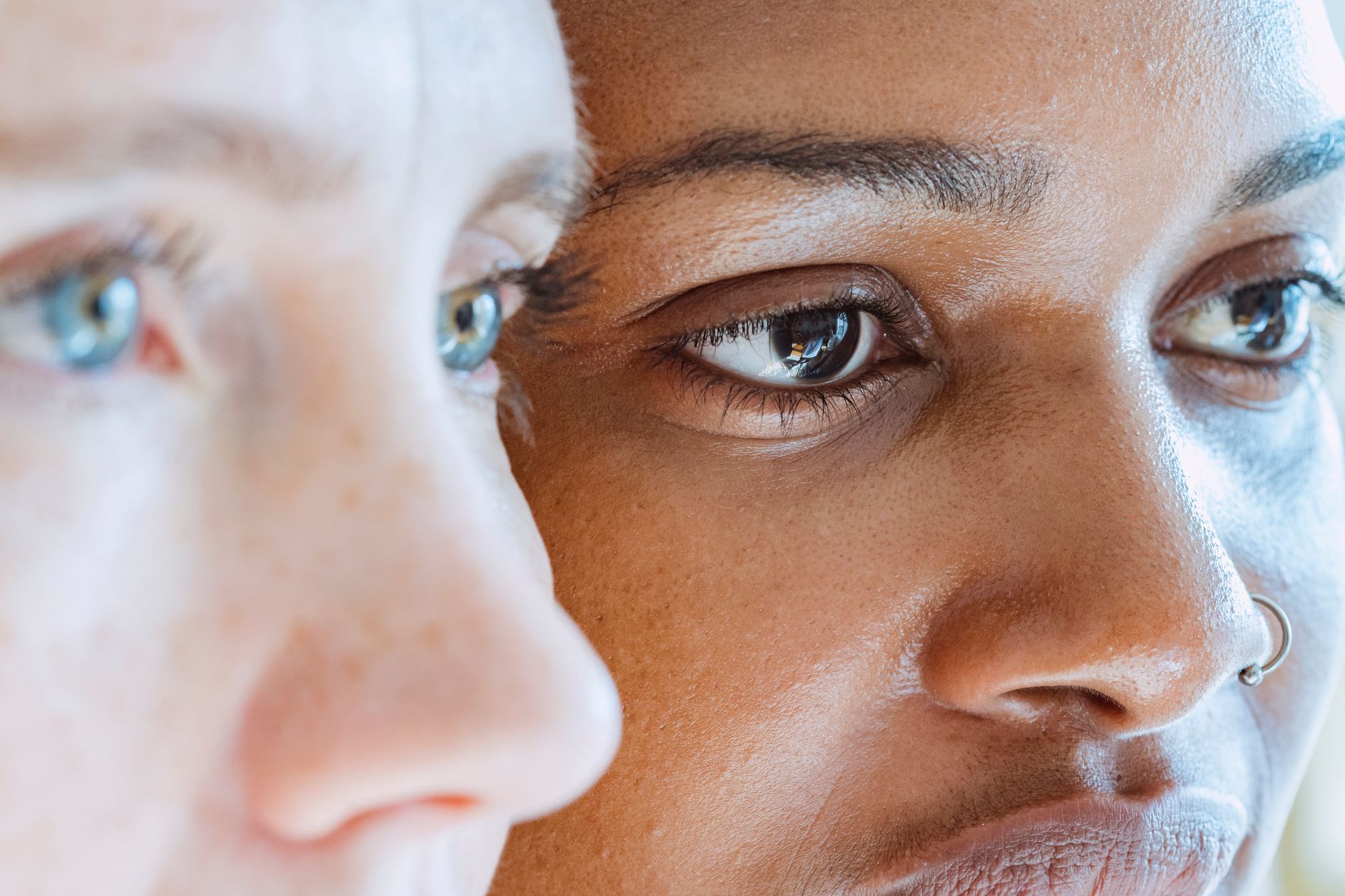
8 Best Colored Contacts for Warm Skin Tones (Ranked by a Beauty Brand)
Warm skin tones glow with honey, hazel, amber, and earthy green lenses — but the wrong color can wash you out instantly. This ranked list breaks down the eight best colored contact options for golden, olive, and bronze complexions, with same-day picks from Hapa Kristin so you can shop and wear today.
15 min read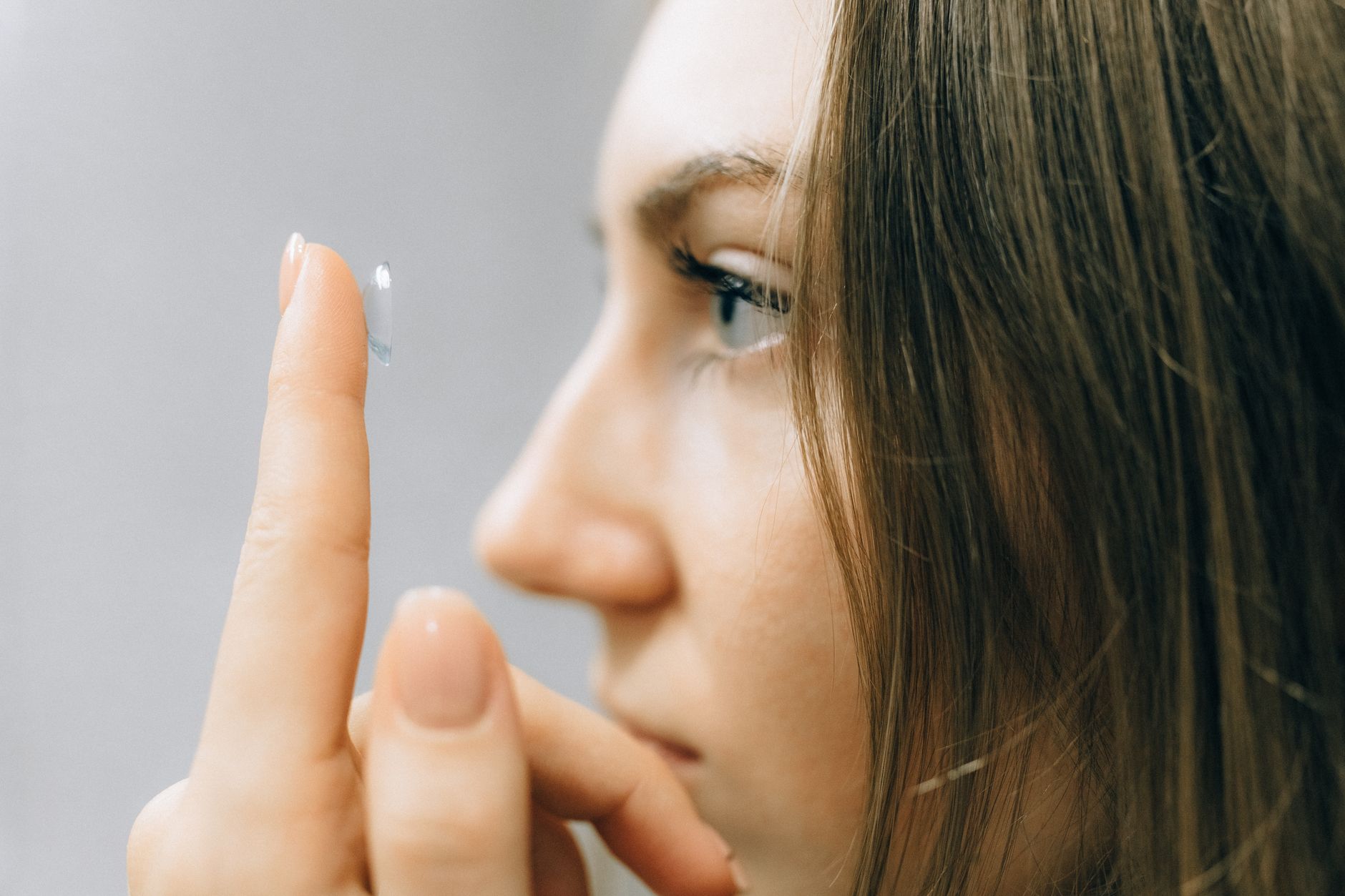
Everything You Need to Know About Colored Contact Safety, Comfort, and Care in 2026
Colored contacts can transform your entire look in seconds, but wearing them safely requires knowing the rules, the risks, and the right care routine. This guide covers everything from FDA regulations and prescription requirements to choosing a flattering color for your skin tone and keeping your lenses comfortable all day.
16 min read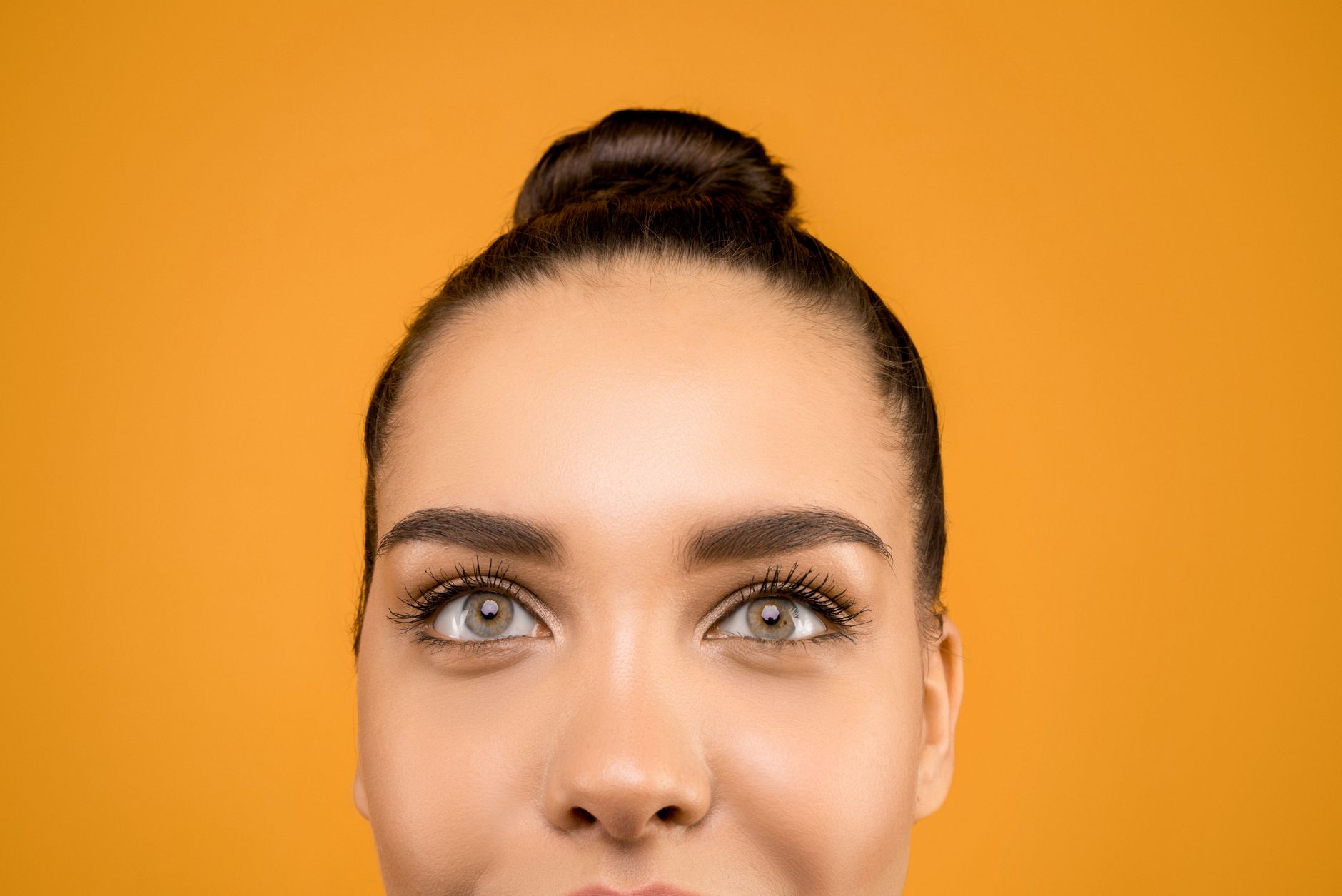
Colored Contact Shades for Brown Eyes: How to Find a Natural Match
Brown eyes are the most common eye color in the world, which makes finding colored contacts that actually transform them a real challenge. This guide breaks down 12 shades proven to show up beautifully over dark irises, matched by skin tone and aesthetic, so you never waste money on a color that disappears on your eyes.
11 min read