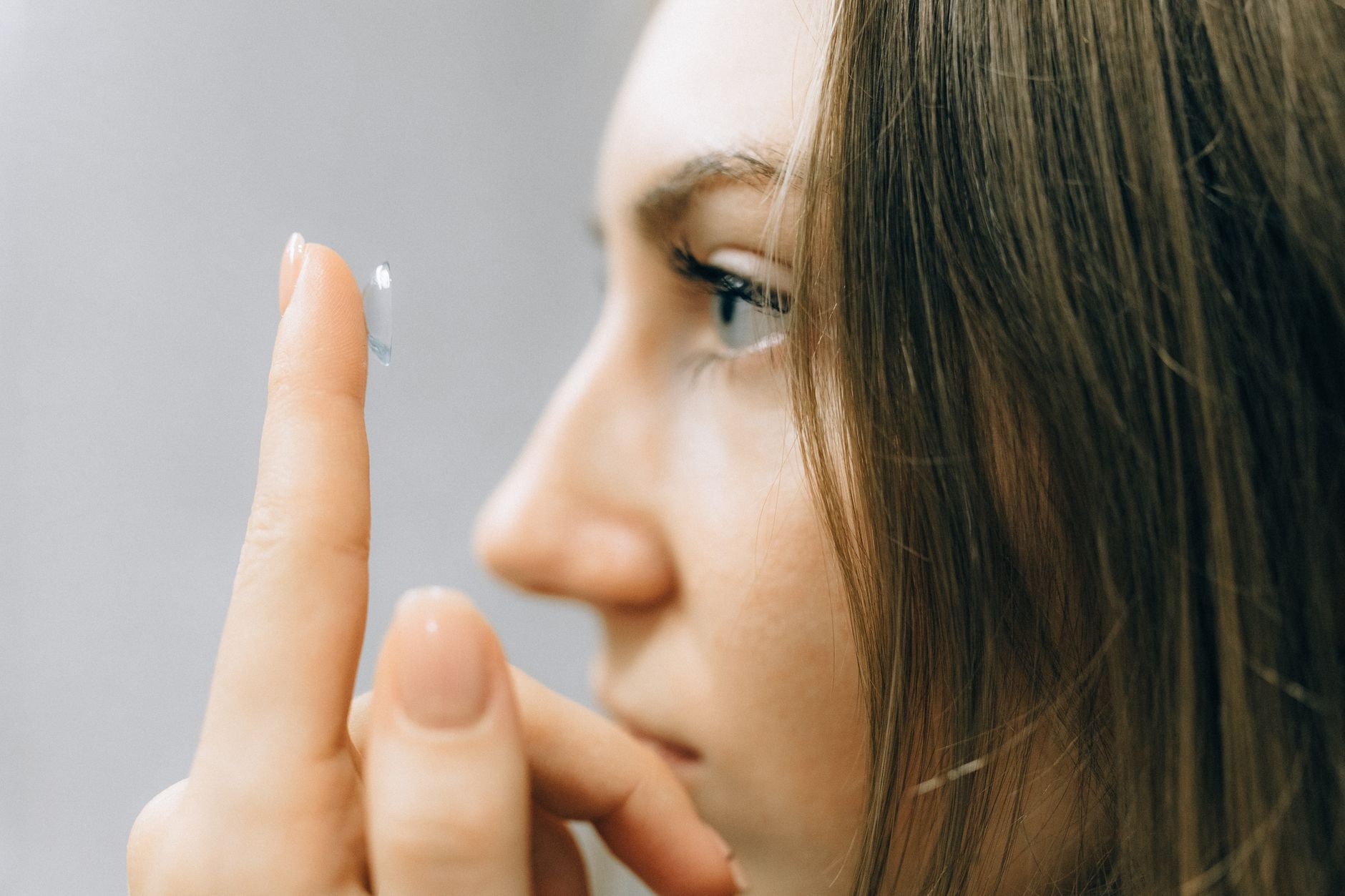
In 2026, colored contacts are a mainstream beauty accessory, not a costume trick. Wearers use them to shift their entire look in seconds, matching eye color to outfits, moods, or content aesthetics. Top trends include honey-brown natural lenses, icy grays, and limbal-ring-enhanced styles popularized across TikTok, Instagram Reels, and K-beauty culture.
Why Colored Contacts Are Having a Major Moment in 2026
The global coloured contact lenses market reached $4.2 billion in 2025 and is projected to hit $4.66 billion in 2026, growing at a 10.9% CAGR (thebusinessresearchcompany.com). That is not a niche category expanding quietly. It is a category that has broken through. The reasons are concrete: short-form video has put eyes at the center of the frame, K-beauty has redefined what lens use looks like culturally, and a generation of 18-34-year-old consumers now treat eye color as a rotational beauty element, the same way they cycle through lip shades or nail colors. Style wins on social. Full stop.
How Social Media Turned Contacts Into a Fashion Accessory
Close-up face content on TikTok and Instagram Reels puts the iris front and center, making lens color one of the first things a viewer processes. This is not accidental. It is structural. Across the US, 65% of Gen Z and 55% of Millennials now use TikTok to discover products before they buy (qogita.com), and TikTok Shop's US health and beauty sales surpassed $4.4 billion in 2026, growing 84% year over year (clouted.com). Beauty holds 18-20% of total TikTok Shop US volume (beautyshopcreators.com), and lenses sit squarely inside that category. Viral "get ready with me" formats and eye look reveals regularly drive audiences to search for specific lens styles the same day they watch a video. The discovery cycle is short. The purchase impulse is immediate. Creator-driven labels are also taking real share from traditional retail, with roughly 153,000 active US beauty creators forming the structural backbone of the channel and pushing lens styles to massive audiences organically.
What Role K-Beauty Has Played in the Colored Lens Trend
K-beauty has treated cosmetic contact lenses as a makeup essential for over a decade, not an occasional novelty. That framing matters. When Korean idol aesthetics broadcast globally through K-pop, Netflix series, and platforms like Weverse, Western Gen Z consumers did not see lenses as costumes. They saw them as part of a polished, everyday beauty stack. US K-beauty sales reached $2.8 billion in early 2026, a 48% increase year over year, and K-beauty now penetrates 28.7% of US households (cnbc.com). Those are not fringe numbers. Korean lens philosophy, which prioritizes subtly enlarged and naturally enhanced irises over obvious color swaps, has directly shifted what Western consumers expect from a high-quality lens. The market now rewards realism.
The Biggest Colored Contact Lens Trends Shaping 2026
The clearest shift in 2026 is toward lenses that do double duty: natural enough to wear to work or a coffee run, visually striking enough to pop on camera. The category is splitting into two lanes, and both are growing. Natural-enhancement styles are dominant for everyday rotation, while expressive, bolder options are performing strongly for content, events, and occasions. The winning formula is subtle realism by day, expressive color by occasion, and the most competitive lens brands are building ranges that span both poles rather than forcing a choice.
Natural-Enhancement Lenses vs. Transformative Lenses
Soft hazel, honey, muted olive, and warm amber lenses are especially strong for everyday wear in 2026. These tones work because they read as believable in person while still registering as noticeably beautiful on camera. Consumer reviews and creator testimonials consistently rank believability as the top purchase driver, above price and above color range. The K-beauty design philosophy reinforces this: a lens that looks like a better version of your own eye is a more wearable product than one that announces itself. At Hapa Kristin Same-day Colored Contacts, we prioritize that philosophy across our entire collection, ensuring every lens enhances rather than overwhelms your natural features. Natural-enhancement lenses sit in this space, subtly shifting or deepening existing color rather than fully replacing it. Transformative lenses, which create a complete color change regardless of natural pigment, remain essential for editorial shoots, themed events, cosplay, and high-impact content. Both categories have loyal users. The fastest-growing segment, though, is lenses engineered to appear natural in person while still looking visually striking in photos and video.
Aesthetic-to-Lens Pairings Dominating Social Feeds
Bolder blues, greens, grays, and festival-ready tints are performing strongly in 2026 when rendered with realistic texture and depth rather than a flat, opaque finish. Electric color is back, but it looks different now. A vivid periwinkle or forest green lens with a multi-tone iris print reads as intentional and editorial rather than costume-adjacent. This texture shift is what separates 2026's expressive lens trend from prior years. Aesthetically, the pairings are specific. Coquette looks pair with warm rose-brown and soft peach-tinted lenses. Clean girl aesthetics favor cool hazel, honey, and light gray. Dark academia and gothic styles lean into deep gray, olive, and near-black. Mob wife and old money aesthetics align with rich amber and cognac. Y2K revival and maximalist looks claim vivid blues, greens, and violet without apology. Each pairing works because the lens color reinforces the mood of the overall look rather than competing with it.
Color Comparison Table: Trend Tones for 2026
| Lens Color | Best Aesthetic Match | Skin Tone Fit | Effect Level |
|---|---|---|---|
| Honey Brown | Clean Girl, Old Money | Warm and neutral undertones | Natural enhancement |
| Icy Gray | Clean Girl, Mob Wife | Cool and neutral undertones | Moderate transformation |
| Limbal Ring Styles | Any | All tones | Enlarging, definition |
| Warm Amber / Cognac | Dark Academia, Old Money | Warm undertones | Natural to moderate |
| Sage Green / Muted Olive | Coquette, Dark Academia | Warm and neutral undertones | Moderate transformation |
| Vivid Blue / Periwinkle | Y2K, Maximalist | All tones (high pigment needed for dark eyes) | Full transformation |
| Deep Forest Green | Editorial, Gothic | All tones | Full transformation |
| Dual-Tone Gradient | Fantasy, Editorial | All tones | Expressive |
How Creators and Influencers Use Colored Contacts to Build Their Aesthetic
Content creators have figured out that lens color functions as a brand element. A creator who consistently wears the same honey-brown shade across content builds a visual signature that viewers recognize without a watermark. That consistency compounds: audiences begin to associate the aesthetic with the creator, and the creator's lens choices carry purchase influence far beyond a single sponsored post. With 71% of Gen Z consumers reporting that TikTok videos have influenced a beauty purchase (realize.com), lens haul content and color comparison videos are among the most strategically valuable formats a beauty creator can produce.
What Types of Lens Content Get the Most Engagement
Before-and-after transformation videos, where only the lens changes, consistently outperform other beauty formats in saves and shares. The format works because the variable is isolated and the result is immediate. Color comparison videos, showing the same lens under different lighting and paired with different outfits, drive strong comment engagement because viewers want to understand the full range of a lens before committing. Skin tone matching guides generate high save rates because audiences bookmark them for reference before purchasing. Day-in-the-life content, showing lenses worn casually outside studio conditions, builds purchase confidence by normalizing the experience. Personalization is the meta-trend underneath all of it: 71% of consumers now expect personalized interactions from the brands they buy from, and 15-18% higher conversion rates follow when beauty ecommerce delivers on that expectation (brentonway.com). Creators who guide viewers toward their specific shade, for their skin tone and eye color, outperform those who simply showcase what looks good on themselves.
How to Choose the Right Colored Contact Color for Your Skin Tone and Style
Personal color analysis is the most reliable framework for selecting a flattering lens shade, and it goes deeper than simply knowing whether you are warm or cool. Undertone is the starting point. But contrast level matters just as much. A person with deep skin and light features has different needs than someone with deep skin and deep features, even if their undertones match. The best lens choice enhances the natural contrast pattern already present in the face rather than working against it. At Hapa Kristin Same-day Colored Contacts, we have found that customers who understand their personal color profile before browsing make faster decisions and report higher satisfaction with their first lens choice, because they are not guessing.
What Colors Work Best for Dark Brown Eyes
Dark brown eyes require lenses with high pigment coverage to show any meaningful color shift. Lens opacity is the most critical spec to check before purchasing, and it is worth asking specifically about coverage before buying a transformative shade. Honey, amber, and warm hazel lenses create a believable sun-kissed enhancement on dark eyes without requiring full opacity, because they work with the underlying warmth of the natural iris rather than trying to override it. Gray and light blue lenses can work on dark brown eyes when the lens features a high-coverage outer ring design that sufficiently blocks the natural iris color. Many K-beauty lens lines are engineered specifically for dark eye coverage, making them a particularly effective starting point for consumers with deep natural pigment. Our team has found that dark-eyed customers consistently report the strongest results when they start with lenses designed for high pigment coverage and work backward to natural-enhancement options, rather than the reverse. The depth gap in most competitor content is the lack of nuance here: opacity percentage, iris diameter, and print design all affect how a lens reads on a dark eye, and these details matter in practice.
Can Light Eyes Wear Colored Contacts Too
Light eyes including blue, green, and light hazel get dramatic results from colored contacts because even low-opacity lenses create a visible shift. Deep forest green, warm amber, and rich violet lenses on light eyes produce a transformation that reads as editorial and intentional. Natural-enhancement lenses on light eyes work differently: instead of replacing the existing color, they deepen and intensify it, producing a result that looks like a heightened version of the natural eye. Limbal ring lenses are especially effective on light eyes. The dark outer ring adds definition and increases perceived iris size in a way that cameras capture beautifully, which is why the format is consistently popular among creators who shoot a lot of close-up face content.
Color Psychology and Skin Tone Matching in Practice
Consider a concrete example. A customer with warm medium-brown skin, warm golden undertones, and dark brown eyes is building a content rotation for her lifestyle account. The natural-enhancement choice is a honey-brown or warm amber lens that harmonizes with her undertone and creates a sun-kissed effect her audience reads as genuinely beautiful rather than obviously modified. For a fashion shoot requiring more visual impact, a rich sage green with a limbal ring adds drama while still reading as wearable. If she is shooting festival content or a Y2K-themed reel, a dual-tone gradient lens in gold and green gives her the expressive pop the content calls for without requiring a full costume commitment. That is the rotation logic in practice: one everyday shade, one elevated shade, one expressive shade. Color psychology supports this layered approach. Warm lens tones signal approachability and warmth on screen, while cooler tones read as more editorial and high-fashion. The choice is not just about what looks flattering. It is about what the content communicates.
What You Need to Know Before Buying Colored Contacts in the US
Here is something most trend articles skip entirely. In the United States, all contact lenses, including purely cosmetic, non-corrective colored lenses, are classified as medical devices by the FDA and legally require a valid prescription from a licensed eye care professional. Purchasing colored contacts without a prescription from overseas sites, beauty supply stores, or informal marketplaces is illegal. The safety risks are real: corneal abrasion, microbial keratitis, serious infection, and in severe cases, permanent vision loss. These outcomes are documented and they are preventable. Buying from a reputable, US-compliant brand and obtaining a proper prescription before purchase is not bureaucracy. It is protection.
How to Get a Prescription for Cosmetic Colored Contacts
Scheduling a contact lens fitting with an optometrist or ophthalmologist is straightforward, even if your vision is perfect. We recommend having your prescription and corneal measurements ready before shopping, which allows our team to match you with the most comfortable base curve and diameter for your specific eye anatomy. Tell the front desk you want a cosmetic lens fitting. The appointment typically involves measuring your corneal curvature and iris diameter to identify the correct base curve and diameter for a safe, comfortable fit. The resulting prescription includes those measurements along with your vision correction power if applicable, and is generally valid for one to two years. Many practices complete the fitting in a single visit, making same-day or next-day lens purchasing realistic once the prescription is in hand. This step is not optional. It is what separates a lens that fits comfortably and safely from one that causes damage.
What First-Time Lens Wearers Need to Know About Comfort and Care
First-time wearers typically need 15 to 30 minutes to get comfortable with insertion and removal. That learning curve is normal. Many optometrist offices offer brief in-office tutorials, and asking for one is worth doing. Daily disposable colored lenses are the safest and most convenient option for beginners because they eliminate cleaning requirements entirely and reduce infection risk compared to extended-wear options. Lenses should never be worn longer than 8 to 12 hours in a single session, and they should be removed before sleeping under any circumstances. Sleeping in lenses significantly increases the risk of corneal complications. If eyes feel irritated, red, or produce unusual discharge while wearing lenses, remove the lens immediately and consult an eye care professional. Never share lenses with another person. Keep lenses in their original sealed packaging until use. These practices are simple. Following them consistently is what makes everyday colored contact wear both safe and enjoyable.
Frequently Asked Questions
Do I need a prescription to buy colored contacts in the US even if they are just for looks?
What colored contacts look most natural on dark brown eyes?
How long can I safely wear colored contacts in a single day?
What is the difference between enhancement tint lenses and opaque colored lenses?
Can I get colored contacts the same day without ordering online?
Which colored contact colors are trending the most in 2026?
Are colored contacts safe for everyday wear, or just for special occasions?
How do I choose a colored contact color that matches my skin tone?
What should I look for in a reputable colored contact lens brand?
Can content creators build a signature look using colored contacts?
What are the top colored contact trends for 2026?
Which creators or brands are shaping this trend?
How do I style colored contacts with makeup?
What are the safest colored contacts for daily wear?
What looks work best for festivals and Halloween?
Sources & References
- Fashion and Beauty Marketing Trends 2026 (opens in a new tab)[industry]
- 15 Beauty Brand TikTok Statistics | Clouted Blog (opens in a new tab)[industry]
- Top TikTok Beauty Trends 2026: What's Viral and Selling Now (opens in a new tab)[industry]
- TikTok Shop Beauty Trends 2026: What's Moving the US Market (opens in a new tab)[industry]
- Coloured Contact Lenses Market Growth Analysis Report 2026 (opens in a new tab)[industry]
- Korean beauty products are becoming mainstream in the U.S. (opens in a new tab)[industry]
About the Author
Hapa Kristin Same-day Colored Contacts
Hapa Kristin offers same-day colored contacts designed for every skin tone and style. Their curated collection lets beauty-conscious women change their eye color as easily as their makeup.
Learn more at hapakristin.us → (opens in a new tab)Related Posts
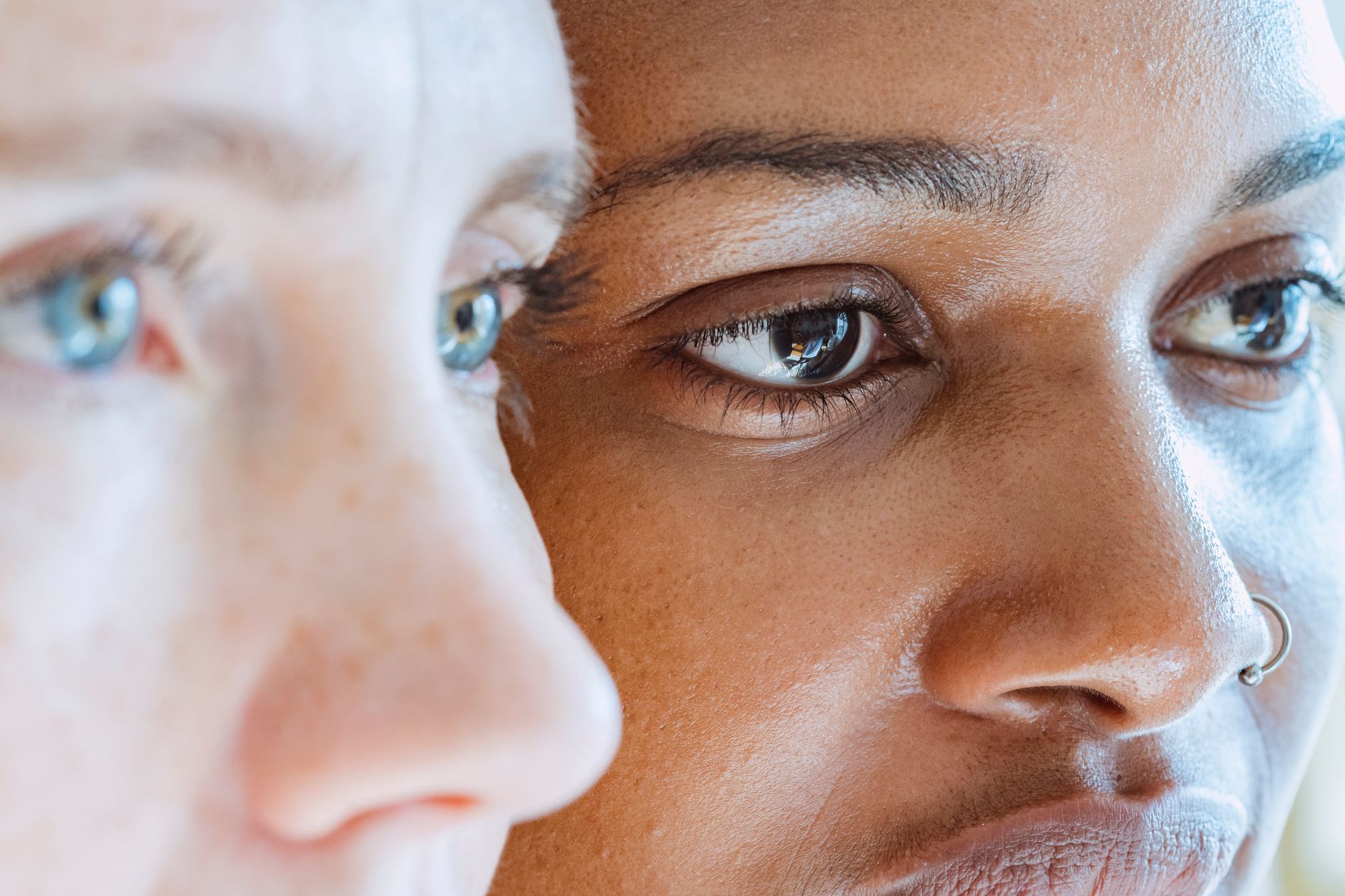
8 Best Colored Contacts for Warm Skin Tones (Ranked by a Beauty Brand)
Warm skin tones glow with honey, hazel, amber, and earthy green lenses — but the wrong color can wash you out instantly. This ranked list breaks down the eight best colored contact options for golden, olive, and bronze complexions, with same-day picks from Hapa Kristin so you can shop and wear today.
15 min read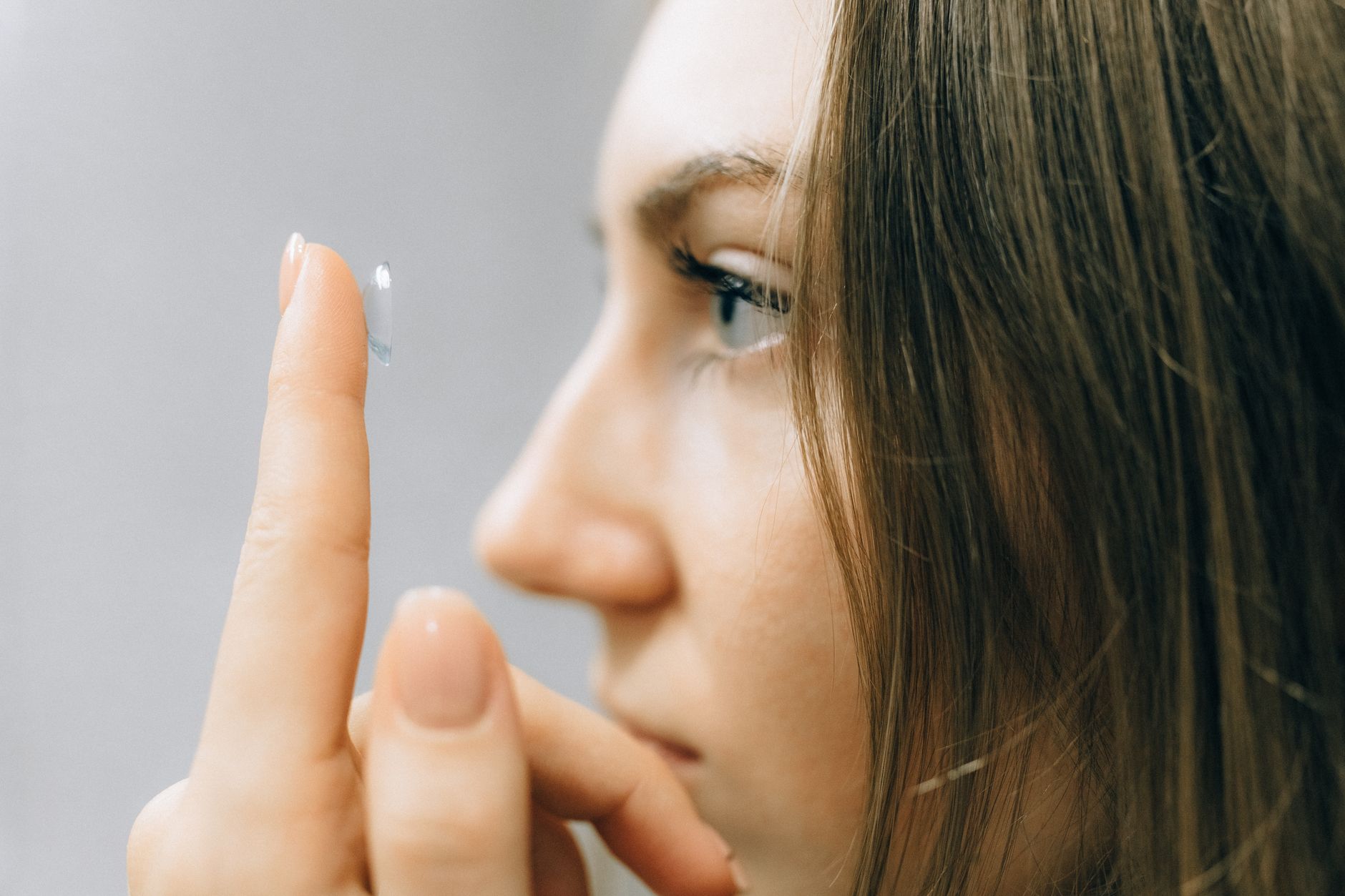
Everything You Need to Know About Colored Contact Safety, Comfort, and Care in 2026
Colored contacts can transform your entire look in seconds, but wearing them safely requires knowing the rules, the risks, and the right care routine. This guide covers everything from FDA regulations and prescription requirements to choosing a flattering color for your skin tone and keeping your lenses comfortable all day.
16 min read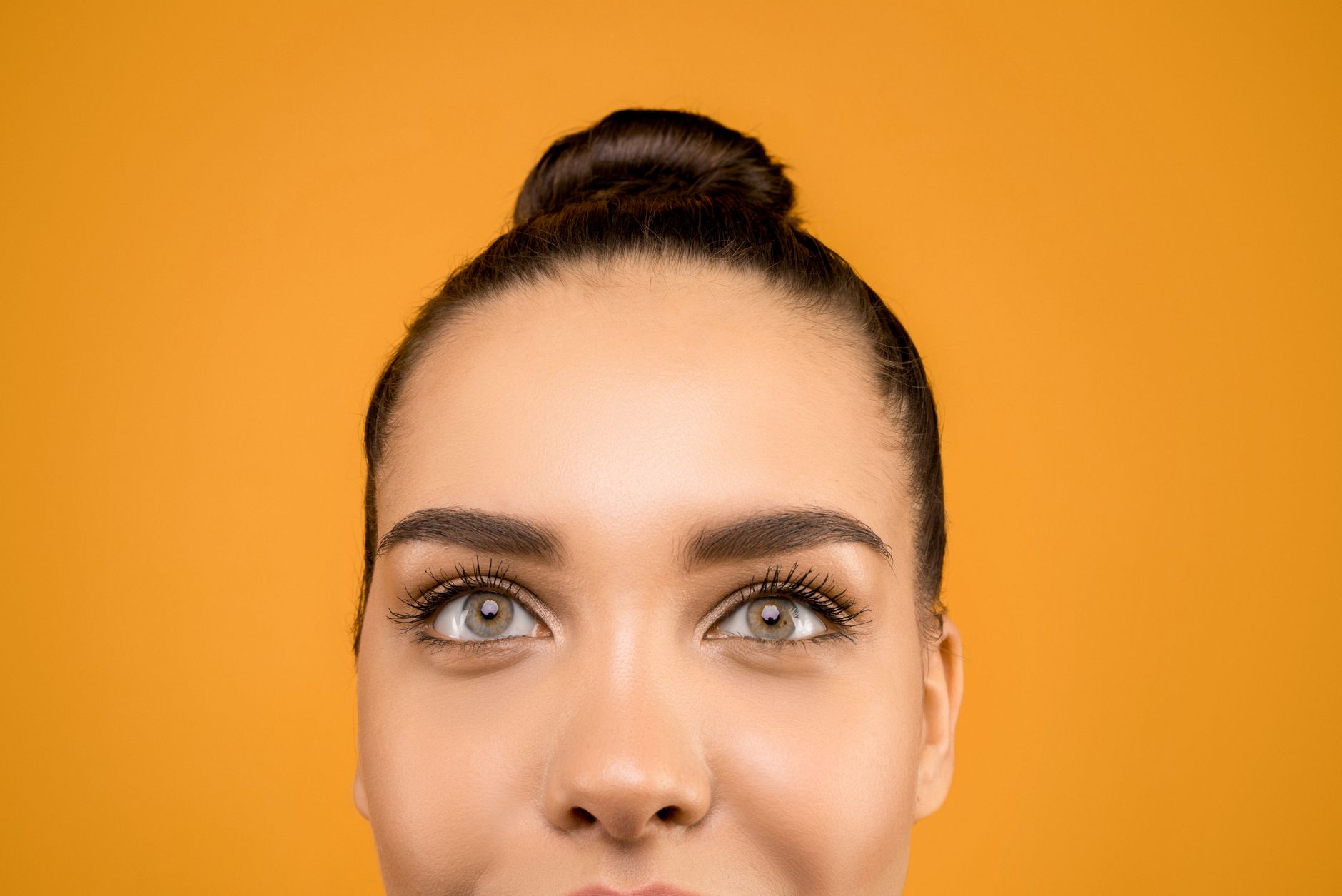
Colored Contact Shades for Brown Eyes: How to Find a Natural Match
Brown eyes are the most common eye color in the world, which makes finding colored contacts that actually transform them a real challenge. This guide breaks down 12 shades proven to show up beautifully over dark irises, matched by skin tone and aesthetic, so you never waste money on a color that disappears on your eyes.
11 min read