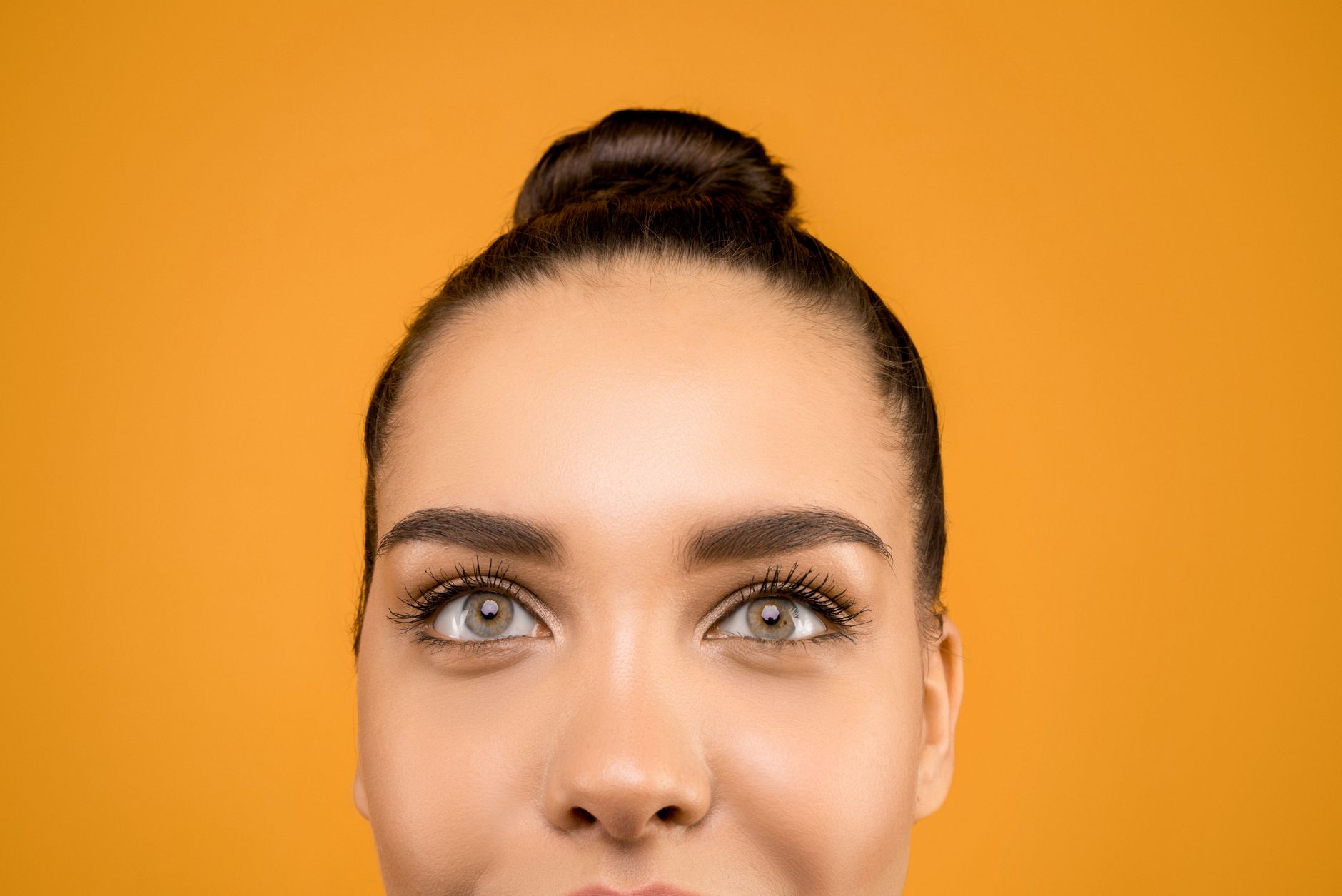
Best Colored Contacts for Brown Eyes in 2026: 12 Shades That Actually Look Natural
By Hapa Kristin Same-day Colored Contacts11 min read
The best colored contacts for brown eyes in 2026 are warm honey, hazel, chestnut, and gray-green shades. They feature high-pigment opaque lenses and defined limbal rings. These designs visibly layer over dark irises instead of disappearing. At Hapa Kristin Same-day Colored Contacts, we stock all twelve of these tones for same-day walk-in purchase, matched by skin tone.
Why Do Brown Eyes Need Special Colored Contacts?
Brown eyes carry the highest melanin concentration of any eye color, and that pigment is the root of every frustration brown-eyed lens shoppers face. An estimated 70 to 80% of the world's population has brown or darkly pigmented irises (worldatlas.com), which makes this the single largest underserved segment in the cosmetic lens market. Lenses designed for blue or green eyes use a semi-transparent tint. This tint filters light through the natural iris. On dark irises, that tint gets absorbed completely. The result is a muddy, grayish wash that looks nothing like the shade on the packaging. High-pigment opaque lenses work differently. They print color on top of the iris rather than blending with it. Opaque lenses are the only category that reliably produces a visible, natural-looking transformation on dark eyes. The cosmetic contact lens market was valued at USD 1.65 billion in 2024 and is growing at a CAGR of 8.9% (strategicmarketresearch.com), reflecting how much demand there is for exactly this kind of transformation.
What Makes a Lens Look Natural on Dark Irises?
Lens design separates a natural-looking result from a costume-party disaster. The science comes down to three elements working together. First, multi-tonal printing. A single flat color printed on a lens reads as artificial because real irises contain dozens of color variations radiating from the pupil. Quality lenses use a tri-layer or multi-layer print process that mimics this gradient, blending two to three complementary tones that shift subtly in different lighting. Single-flat-color lenses are the number one reason shoppers say their contacts look fake. Second, the limbal ring. This dark outer ring printed at the edge of the lens replicates the naturally occurring dark border found in youthful, healthy eyes, creating depth and preventing the lens from appearing to float on the surface of the eye. Third, a semi-opaque transition zone near the pupil allows natural light variation, which prevents the fixed, glassy "doll eye" effect.
12 Best Shades for Brown Eyes, Organized by Skin Tone
Organizing shades by skin tone is the most reliable way. It predicts whether a colored contact will look convincing or jarring. Our team has found that this undertone-matching approach eliminates the guesswork that typically leads to disappointing online purchases, which is why we organize our in-store inventory by skin tone rather than by color alone. The reason is undertone interaction. Your iris color does not exist in isolation, it reads against your skin every second you are wearing the lens. Choosing a shade with a clashing undertone creates visual dissonance that no amount of eye makeup can fix. The global colored contact lens market reached $4.2 billion in 2025 (thebusinessresearchcompany.com), driven largely by consumers demanding more personalized shade guidance. Below is the full 12-shade framework, broken into three skin tone groups, each using a tri-layer print process to avoid the flat opaque look that dominates budget options.
Fair Skin Shades: Honey Brown, Warm Hazel, Soft Gray, and Rose Gray
Fair skin tones tend to have pink, peach, or neutral undertones, and that shapes which lenses read as effortless versus try-hard. Honey brown is the everyday workhorse of this group. It deepens the iris slightly and adds warmth without creating dramatic contrast, making it nearly undetectable as a lens to most casual observers. Warm hazel blends brown and green tones in a ratio that plays beautifully against peachy or rosy complexions, this is the shade that makes people ask "what's your natural eye color?" Soft gray is a step bolder. In bright light, it reads silver-blue; indoors, it softens to a smoky neutral that pairs with virtually every makeup look. Rose gray is the 2026 breakout shade for this group, a pink-tinted depth that lands squarely in K-beauty aesthetic territory. It photographs with a warm, romantic quality that performs especially well in golden-hour content shots. All four shades work because their warm or neutral undertones do not create the ashy, washed-out contrast that cool-toned lenses can produce on fair skin.
Medium and Olive Skin Shades: Chestnut, Caramel, Moss Green, and Turquoise
Medium and olive complexions carry yellow or golden undertones, which opens up a wider range of workable colors than many shoppers realize. Chestnut is a slightly lighter warm brown that brightens the overall eye area without the jarring contrast of a dramatically different color. Think of it as "your eyes on a very good day." Caramel mimics sun-lightened irises in a way that photographs as completely effortless, this is the shade content creators with olive skin return to for "no-makeup" makeup looks. Moss green is the editorial choice in this group, playing off the yellow undertones in olive skin to create an earthy, grounded green that looks far more natural than a saturated emerald would. Turquoise surprises people because the underlying brown iris pigment suppresses the aqua brightness, producing a deep teal effect that reads as exotic but not theatrical. The key across all four is that warm-undertone colors harmonize with the skin rather than fighting it.
Deep Skin Shades: Amber, Copper, Electric Gray, and Cobalt Blue
Deep and dark skin tones carry the most melanin in both skin and iris, which actually expands rather than limits color options when the right shades are chosen. Amber is the number one natural-look choice for this group. Rich, warm, and believable, it reads as a striking variation of brown rather than an obvious colored lens. Copper is a 2026 breakout shade that pairs beautifully with the warm gold undertones common in deeper complexions, it photographs with a metallic warmth that looks intentional and elevated. Electric gray creates a high-fashion monochromatic effect that performs exceptionally well in video content because of how it interacts with studio and ring-light lighting. Cobalt blue is the statement choice. Against deep skin, the contrast is dramatic and photogenic, this is the color that reliably stops scrollers mid-feed. All four shades require opaque lenses with a strong limbal ring to register fully against rich iris pigmentation.
How to Choose the Right Shade for Your Personal Aesthetic
Shade selection becomes much less overwhelming once you have a framework built around three variables: your undertone, your goal (natural versus editorial), and your context (everyday wear versus content shoots versus events). For a believable everyday look, staying within one to two shades of your natural eye color produces the most seamless result. For editorial or creator content, maximizing contrast by choosing a color in the opposite hue family from your natural tone generates the visual impact that performs on social platforms. Seasonal rotation works beautifully as a strategy too: warm ambers, chestnuts, and caramels for fall and winter, cool grays, moss greens, and turquoise for spring and summer. Approach lenses the way you approach lip color, as a coordinated beauty decision, not an isolated purchase.
Should You Match Lenses to Skin Undertone or Eye Shape?
Undertone matching has a greater visual impact on whether a lens looks natural or artificial, but eye shape matters more than most guides acknowledge. Eye shape primarily influences lens diameter. A 14.5mm diameter lens visibly enlarges the appearance of small or monolid eyes, which is why diameter is a separate fit decision from color. Almond and round eye shapes are the most versatile and can carry both subtle and bold shades equally well. At Hapa Kristin Same-day Colored Contacts, we offer lenses in 14.0mm and 14.5mm diameters specifically to support this kind of fit customization. The practical decision tree: settle on undertone and color first, then choose diameter based on the enlargement effect you want. A common scenario: a customer with a monolid, olive complexion pairs a 14.5mm moss green lens with smoky eye makeup and creates an editorial look that would take 45 minutes to achieve with eye makeup alone. For example, consider a 26-year-old content creator in Los Angeles with olive skin who has a Friday night event and wants to film content Saturday morning. She walks into Hapa Kristin, shows her valid eye doctor prescription, tries on the moss green 14.5mm lens in real time with her makeup artist, and walks out with three backup pairs the same day, zero waiting, zero guessing on whether the shade will actually look good on camera. The diameter does the heavy lifting.
Safety, Prescriptions, and What to Know Before You Buy
This is the section most colored contact guides skip entirely, and that omission is a disservice to every new wearer. In the United States, the FDA classifies all contact lenses as medical devices, including purely cosmetic non-corrective lenses (fda.gov). That classification has a direct legal consequence: you cannot legally purchase colored contacts in the US without a valid prescription from a licensed eye doctor. The prescription specifies base curve and diameter in addition to power, which means a standard vision prescription may not contain all the parameters required. Buying without a prescription, from overseas marketplaces, social media sellers, or unregulated websites, carries documented risks including corneal abrasion, bacterial infection, and permanent vision damage. These are not rare outcomes from extreme misuse. They are documented results from lenses that do not fit the specific geometry of the buyer's eye. Consumers using regulated disposable lenses demonstrate nearly 26% higher compliance rates with safe wearing schedules compared to those using unregulated sources. Hapa Kristin operates within US regulatory standards and requires a valid prescription at the point of purchase, which protects both your legal standing and your eye health.
How Long Can You Safely Wear Colored Contacts Each Day?
Most colored contact lenses are approved for 8 to 10 hours of daily wear. Beyond that threshold, oxygen delivery to the cornea is meaningfully reduced, and the risk of irritation, redness, and longer-term complications increases. Daily disposable lenses are the safest starting point for new wearers because each fresh pair carries zero contamination risk from prior use. Monthly lenses require strict cleaning with hydrogen peroxide or multipurpose solution after every wear. Never rinse any contact lens with tap water, tap water contains microorganisms including Acanthamoeba, which causes a serious and difficult-to-treat corneal infection. Remove lenses immediately if you experience redness, blurred vision, eye pain, or unusual discharge. These are not symptoms to push through. Retailers and distributors that carry regulated disposable lens portfolios have reported nearly a 21% decline in customer complaint rates associated with discomfort and irritation (blog.hapakristin.us). The data supports choosing regulated, properly fitted lenses every time.
Where to Get Colored Contacts the Same Day (No Waiting, No Guessing)
Most online colored contact brands operate from international warehouses and ship with 5 to 21 business day timelines. That timeline is a dealbreaker when you have a content shoot on Friday, an event on Saturday, or a spontaneous mood that demands a new eye color today. Same-day availability is a genuine structural advantage, not a marketing phrase. North America led the global colored contact lens market with over 50.08% of global revenue in 2024 (blog.hapakristin.us), yet most brands serving this market still operate exclusively through international online shipping. Hapa Kristin Same-day Colored Contacts fills that gap with walk-in retail access across a curated range of 12+ shades in all the skin-tone-matched categories described above. In-store shopping also enables a real-time shade consultation that no algorithm or product photo can replicate. Bring a valid eye doctor prescription to any Hapa Kristin retail location and you walk out with your lenses the same day. That combination of curated range, expert consultation, and immediate availability is simply not available through online-only retailers.
How Hapa Kristin Compares to Other Colored Contact Options
The colored contact lens category has no shortage of brands, but the differences between them matter depending on what you actually need. The comparison below covers the most relevant factors for brown-eyed US shoppers: same-day access, in-person consultation, shade range, regulatory compliance, and price.
The table makes the trade-offs clear. Brands with larger shade counts are exclusively online with international shipping timelines. Brands with premium pricing still require you to wait. Hapa Kristin is the only option in this comparison offering same-day walk-in access with in-person shade consultation and US regulatory compliance. For brown-eyed shoppers who want to get it right immediately, that combination is unmatched.
Published: September 1, 2026 | Last Updated: September 1, 2026
Frequently Asked Questions
What color contacts look most natural on brown eyes?
Warm honey brown, caramel, amber, and warm hazel shades look the most natural on brown eyes. These colors sit close to the natural iris tone while adding warmth and brightness. They use opaque multi-tonal printing to blend with rather than fight dark iris pigmentation, producing a result that reads as an enhanced version of your natural color rather than an obvious lens.
Do I need a prescription to buy colored contacts in the US even if they are non-corrective?
Yes. The FDA classifies all contact lenses, including purely cosmetic ones, as medical devices. A valid prescription from a licensed US eye doctor is legally required to purchase them. The prescription covers base curve and diameter, not just vision power. Buying without a prescription from unregulated sources carries real risks including corneal abrasion, infection, and permanent eye damage.
Can people with very dark brown eyes wear colored contacts and actually see a difference?
Absolutely. The key is choosing high-pigment opaque lenses, not semi-transparent enhancement lenses. Opaque lenses print color on top of the iris rather than blending with it, so dark melanin pigment does not absorb or block the color. Amber, copper, gray, and cobalt blue are all shades that show up dramatically on very dark brown eyes when the lens is properly opaque.
How do I know which colored contact shade matches my skin tone?
Identify your skin undertone first: warm (yellow or peachy), cool (pink or bluish), or neutral. Warm undertones pair with amber, honey, caramel, and green shades. Cool undertones pair with soft gray, rose gray, cobalt blue, and violet. Neutral undertones have the most flexibility. An in-store consultation with a shade specialist, like those available at Hapa Kristin retail locations, speeds this process significantly.
Are daily or monthly colored contacts better for first-time wearers?
Daily disposable lenses are the better starting choice for first-time wearers. Every pair is sterile, eliminating contamination risk from improper cleaning. There is no cleaning routine to learn. Monthly lenses require strict daily cleaning with hydrogen peroxide or multipurpose solution and are appropriate once you are comfortable with lens hygiene. Both options require a valid prescription.
Can I wear colored contacts if I have astigmatism?
Yes, if the lens is a toric colored contact designed for astigmatism. Standard spherical colored contacts do not correct astigmatism and will produce blurred vision for astigmatic wearers. Toric colored contacts are less widely stocked than standard options, so it is worth confirming availability with your eye doctor and retailer before purchasing. Your prescription will specify if toric lenses are needed.
How do I avoid colored contacts that look fake or costume-like?
Choose lenses with multi-tonal printing rather than a single flat color, a defined limbal ring, and a semi-opaque transition zone near the pupil. Match the lens undertone to your skin undertone. Avoid oversized diameters unless you specifically want a dramatic enlarged look. Budget lenses with flat single-layer printing are the most common source of the costume-like appearance shoppers want to avoid.
Where can I buy colored contacts the same day without ordering online?
Hapa Kristin Same-day Colored Contacts offers walk-in same-day purchase across a curated range of 12 or more shades at US retail locations. Bring a valid eye doctor prescription. This is the only option in the US market combining same-day access, in-person skin-tone shade consultation, and full regulatory compliance. Online brands typically ship in 5 to 21 business days from international warehouses.
Which brown shades look most natural on dark eyes?
Amber and chestnut are the top natural-look brown shades for dark eyes. Amber reads as a rich, believable warm brown that elevates rather than replaces the natural iris tone. Chestnut is slightly lighter and brightens the eye area without sharp contrast. Both require opaque lenses with multi-tonal printing. Honey brown is a strong third choice for a barely-there brightening effect on dark irises.
What are the best colored contacts for skin tone matching?
Fair skin pairs best with honey brown, warm hazel, soft gray, and rose gray. Medium and olive skin tones suit chestnut, caramel, moss green, and turquoise. Deep skin tones look stunning in amber, copper, electric gray, and cobalt blue. Undertone is the deciding factor in each case: warm undertones need warm or earthy shades, cool undertones work with gray, blue, and violet families.
How do hazel contacts compare to chocolate contacts?
Hazel contacts blend brown and green tones, creating a multi-dimensional effect that shifts between colors in different lighting. They read as more complex and less obviously altered. Chocolate contacts are a deeper, single-family brown that adds richness without hue change. Hazel is better for those wanting something distinctly different; chocolate is better for a subtle, natural enhancement of dark brown irises.
Are green or blue contacts natural-looking on brown eyes?
Green can look natural on brown eyes when the shade is muted, like moss green or olive green, and the lens uses multi-tonal opaque printing with a limbal ring. Bright emerald green reads as theatrical. Blue contacts range from subtle to dramatic depending on pigmentation. Cobalt blue and electric gray are bold but intentional-looking on brown eyes rather than natural, which is a valid and popular aesthetic choice.
Sources & References
About the Author
Hapa Kristin Same-day Colored Contacts
Hapa Kristin offers same-day colored contacts designed for every skin tone and style. Their curated collection lets beauty-conscious women change their eye color as easily as their makeup.
Learn more at hapakristin.us →Related Posts
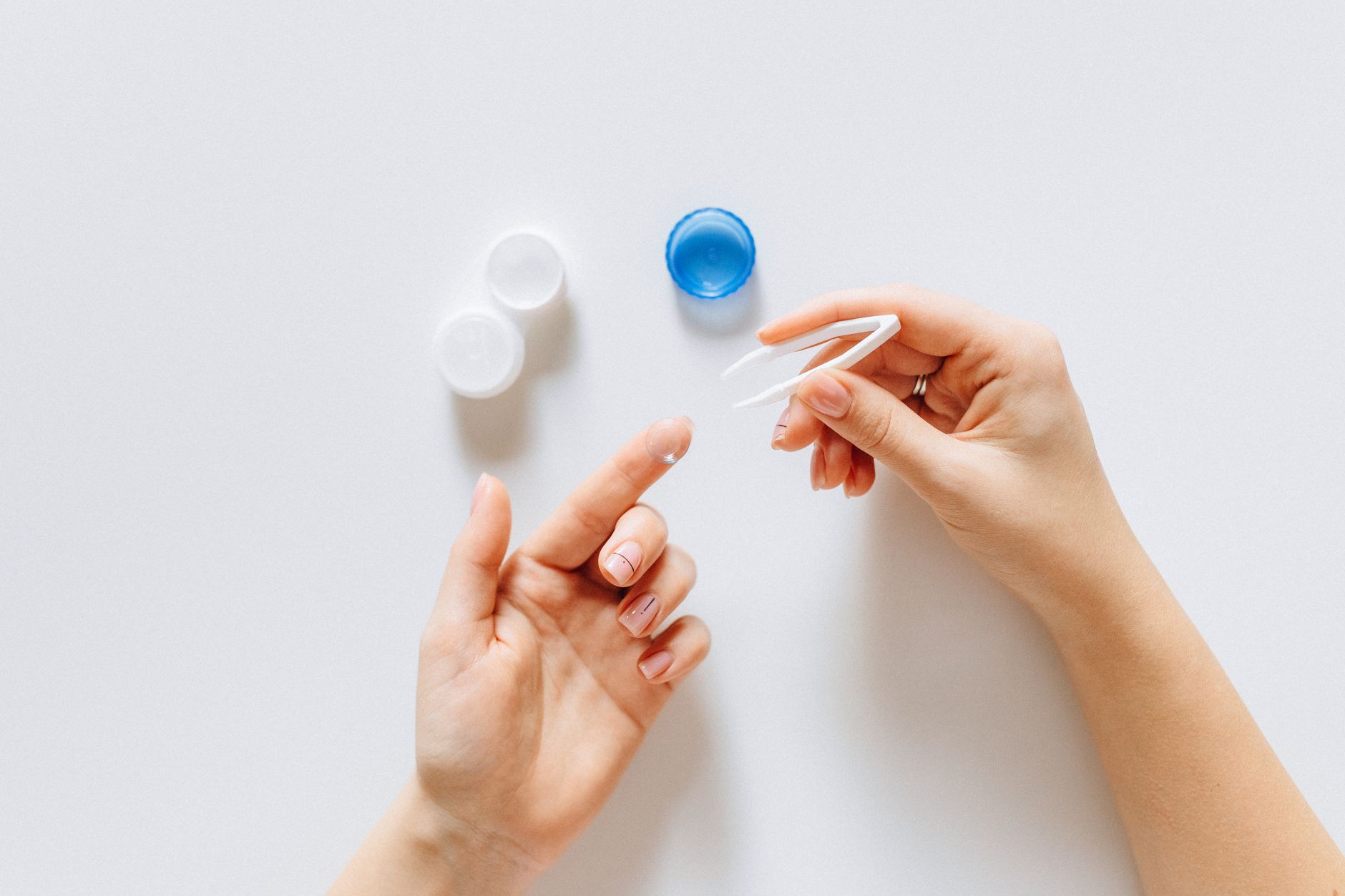
Monthly Colored Contact Care 101: Cleaning, Storing, and Knowing When to Replace
Monthly colored contacts can elevate any look, but they require consistent care to stay safe and comfortable. This guide covers everything from daily cleaning routines and proper storage to the warning signs that tell you it is time to toss a pair and start fresh.
12 min read
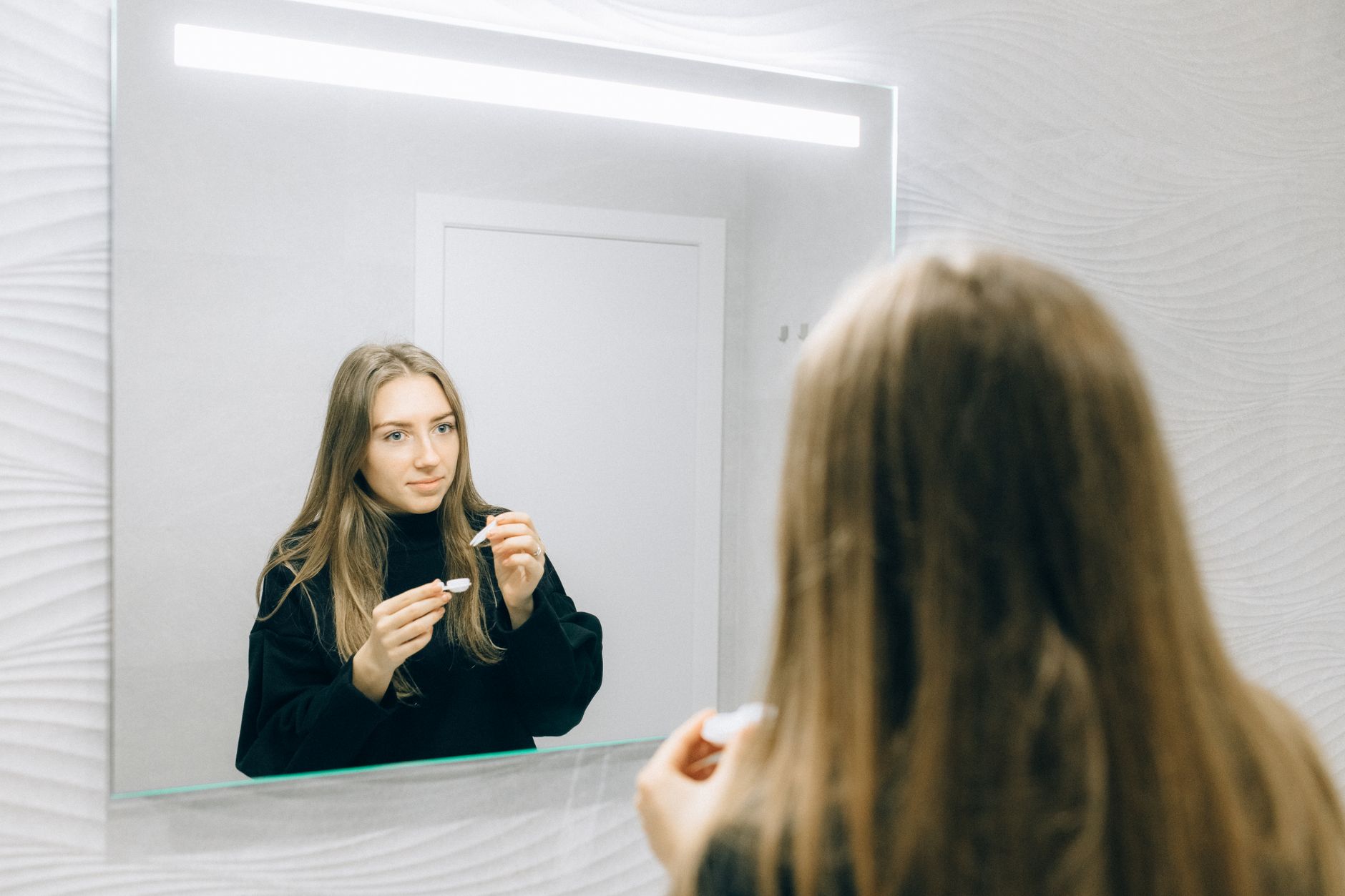
Circle Lenses vs Colored Contacts: What's the Difference and Which Should You Choose?
Circle lenses and colored contacts are often used interchangeably, but they are not the same thing. This guide breaks down exactly how they differ in design, effect, and safety so you can make a confident, flattering choice for your next look.
11 min read
FDA-Cleared Colored Contacts: How to Verify Safety and Which Brands Meet US Standards
Not all colored contacts sold in the US are FDA-cleared, and wearing unregulated lenses can cause serious eye damage. This guide shows you exactly how to verify a lens brand's FDA status, what US law requires even for non-corrective lenses, and which brands consistently meet American safety standards.
12 min read